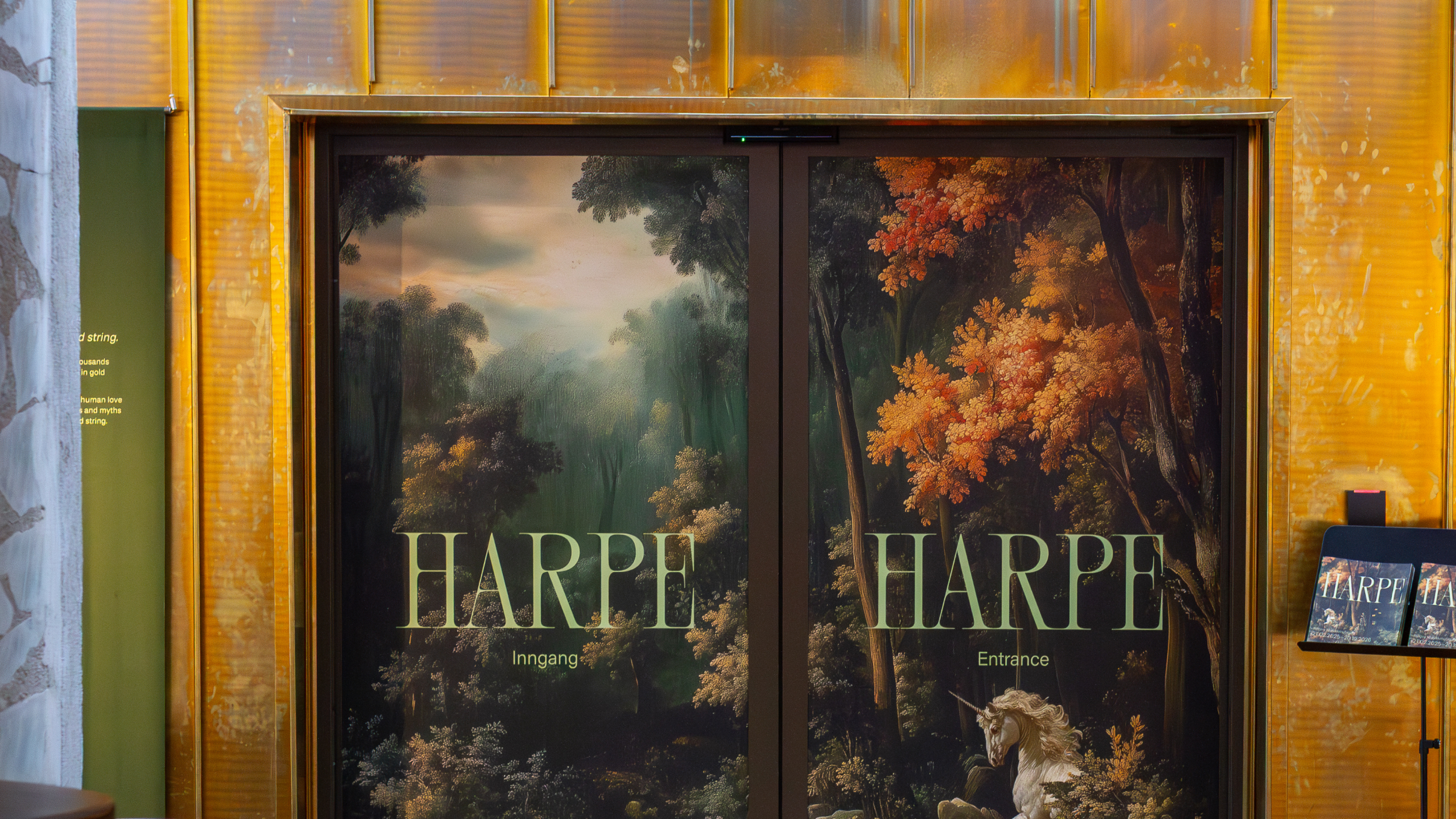
Harpe
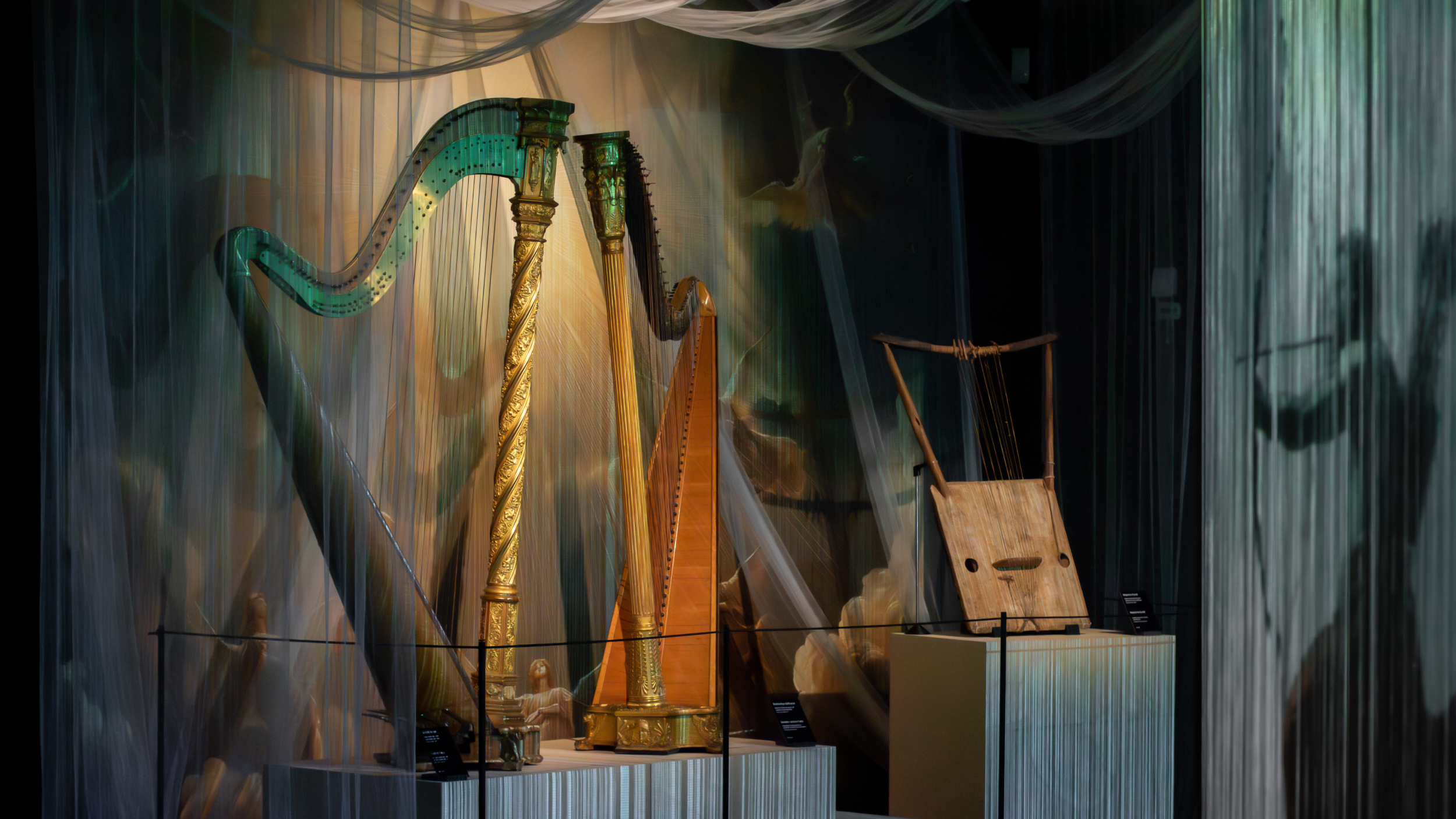
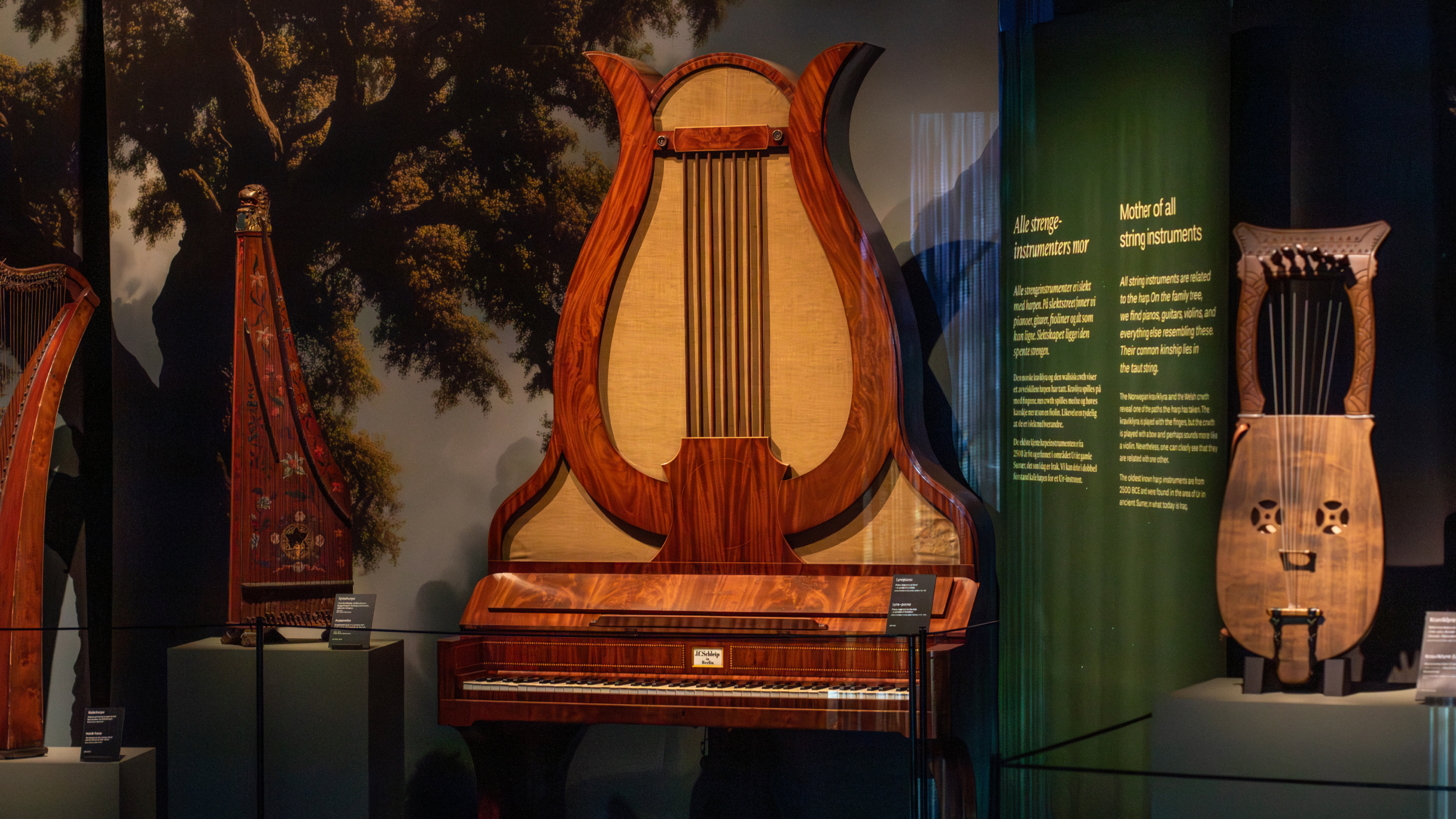
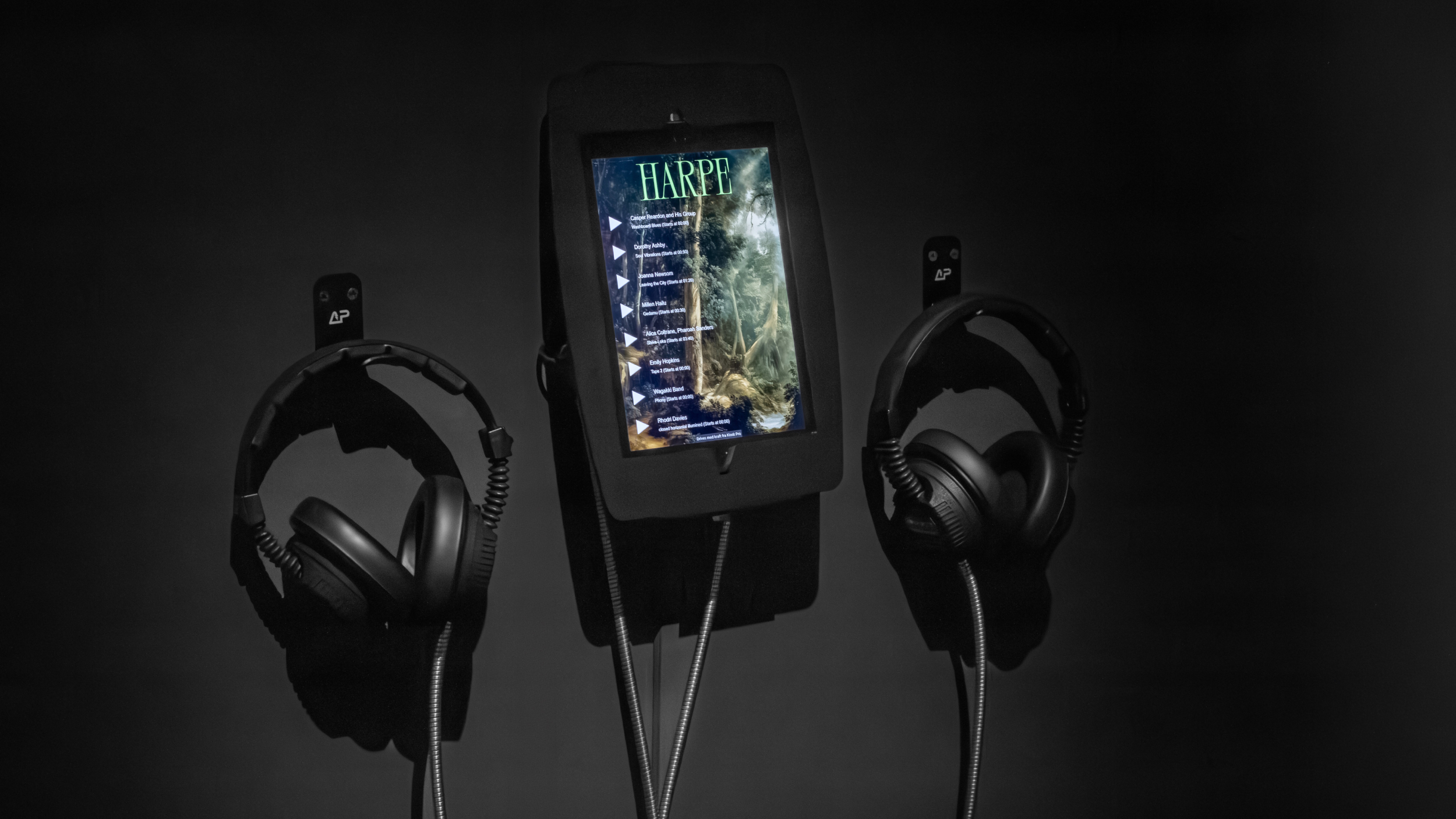
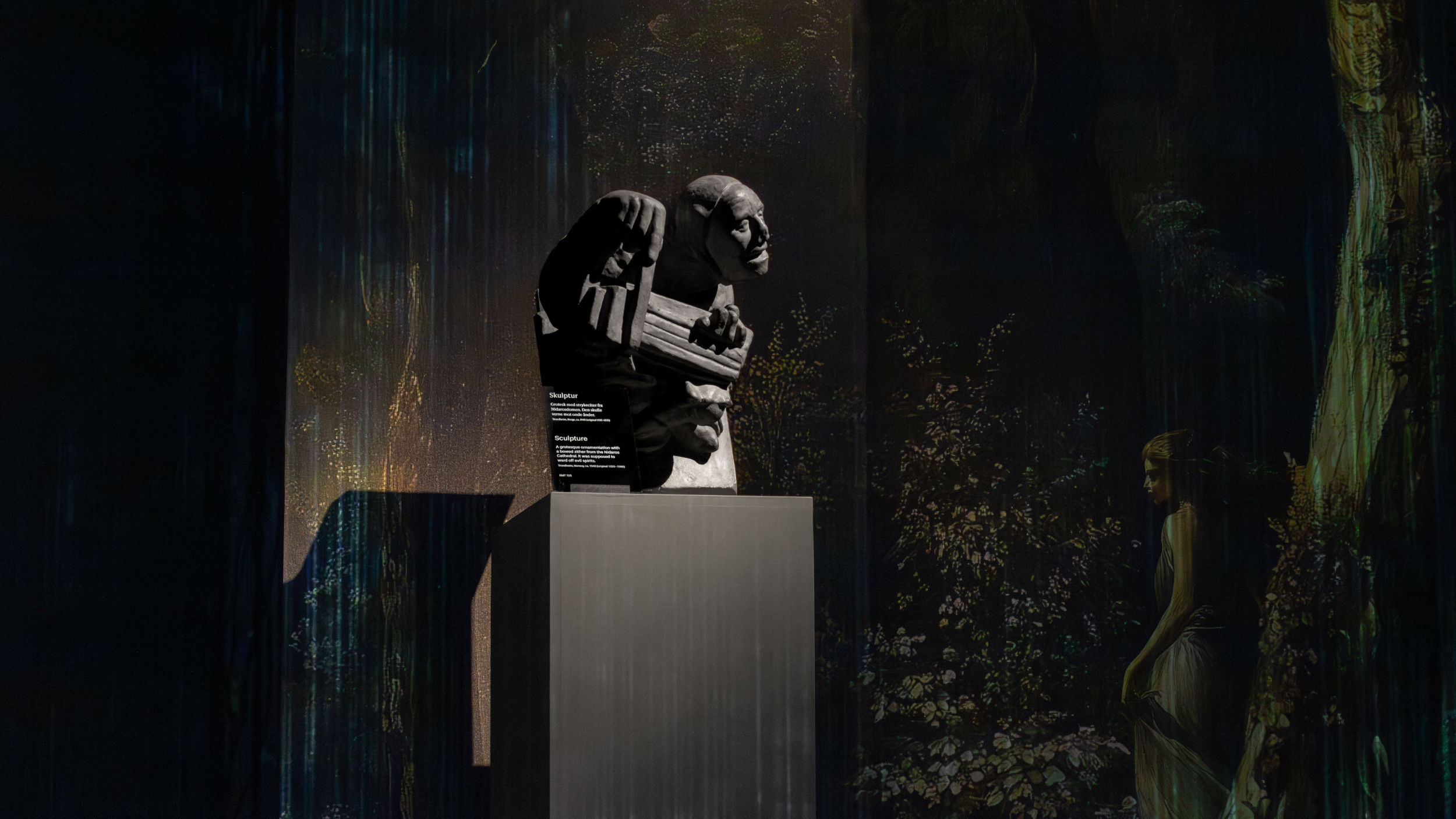
The Norwegian Museum of Music – Ringve and Rockheim aimed to spark curiosity about the harp, one of our oldest musical instruments. With access to rare instruments and captivating stories, the ambition was to communicate this heritage through a sensory and spatial experience. The result is an object-based exhibition where considered aesthetic choices enhance each object.
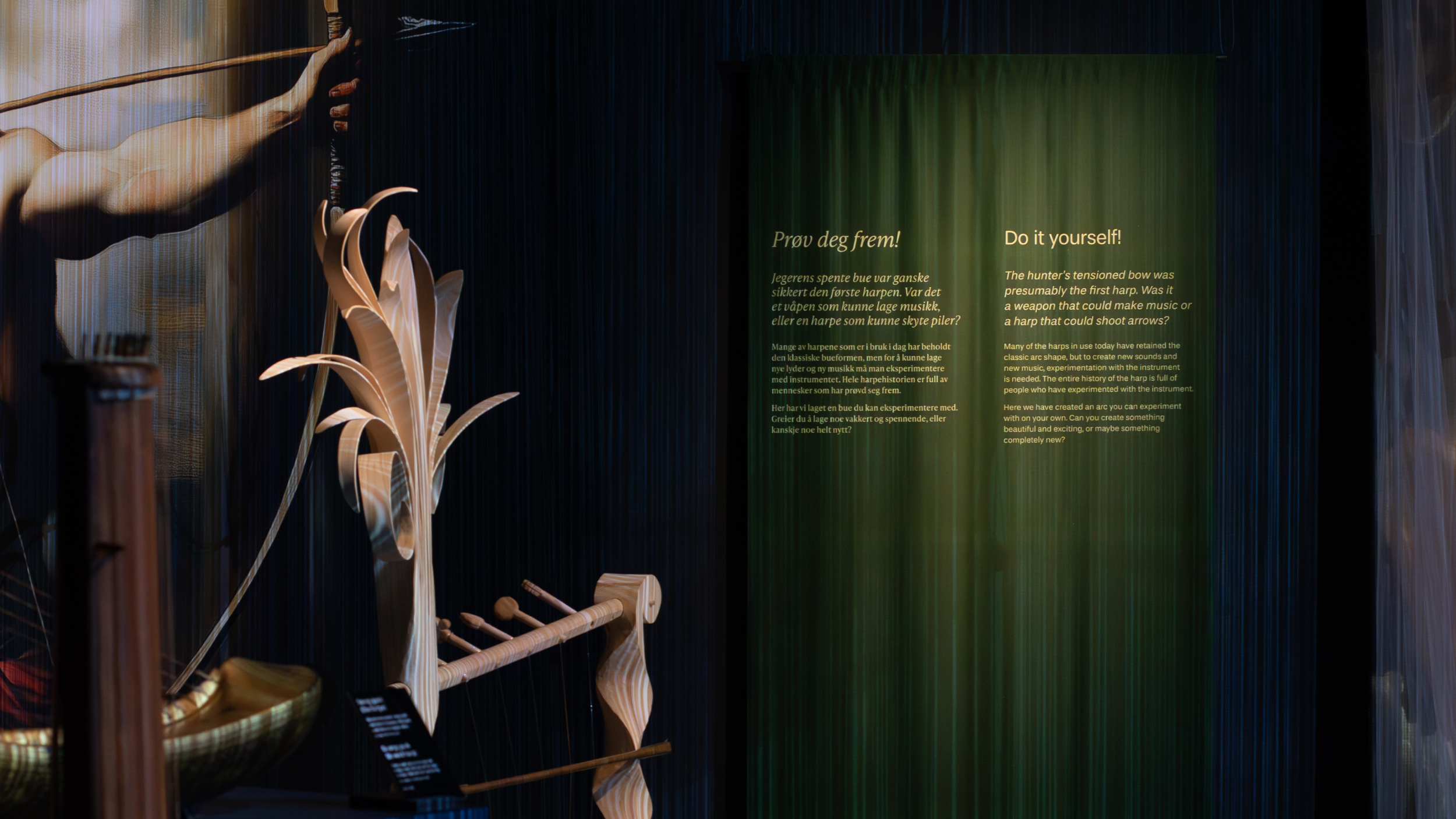
The harp’s origins trace back to the taut string of a hunter’s bow. From these humble beginnings, its sound has followed humanity through time. Heard by firesides, in small cabins, grand concert halls, and elegant living rooms, the harp has long captured our imagination. Its music has been intertwined with myths and religious symbolism, giving the instrument a timeless and almost otherworldly presence.
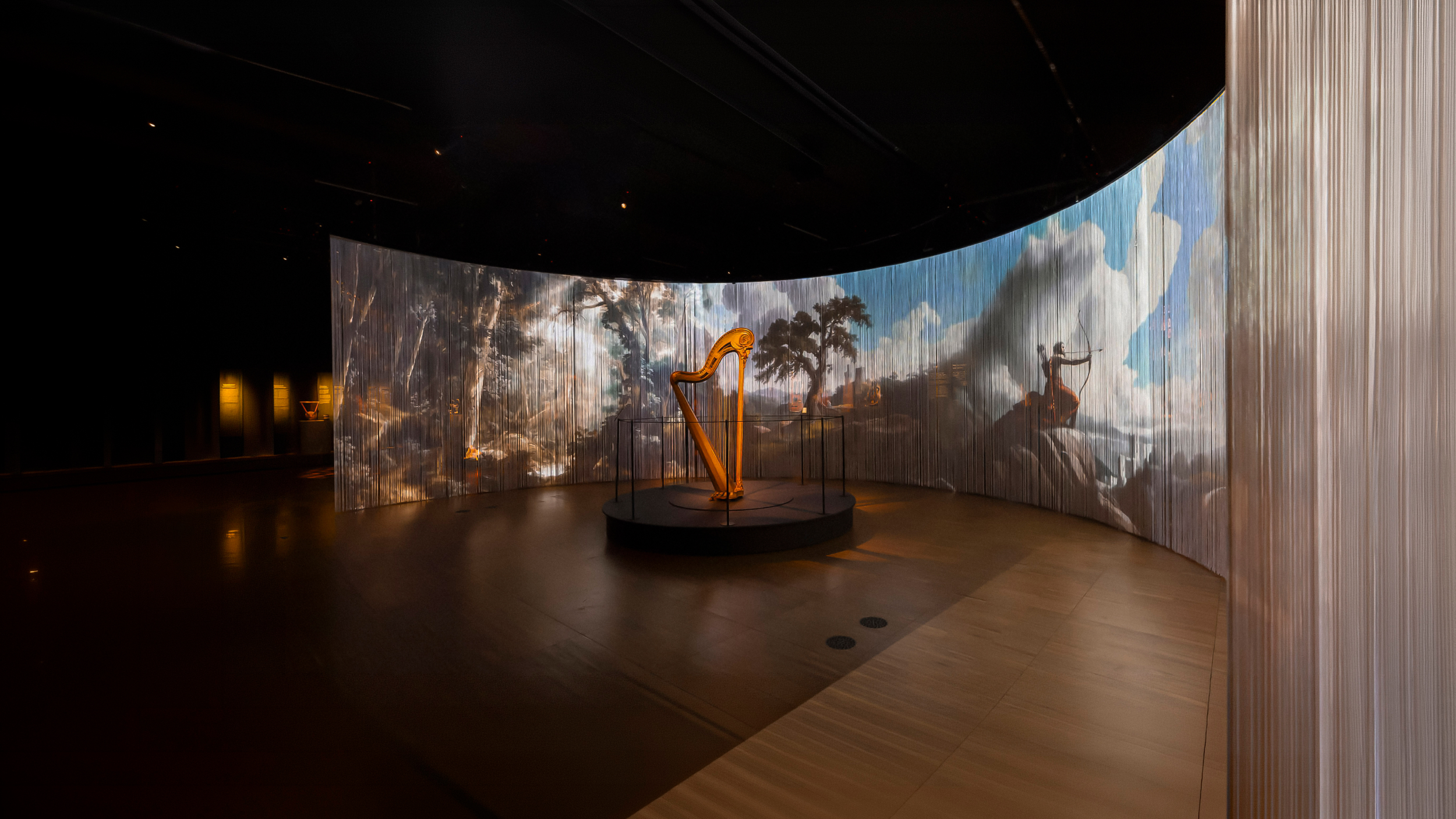
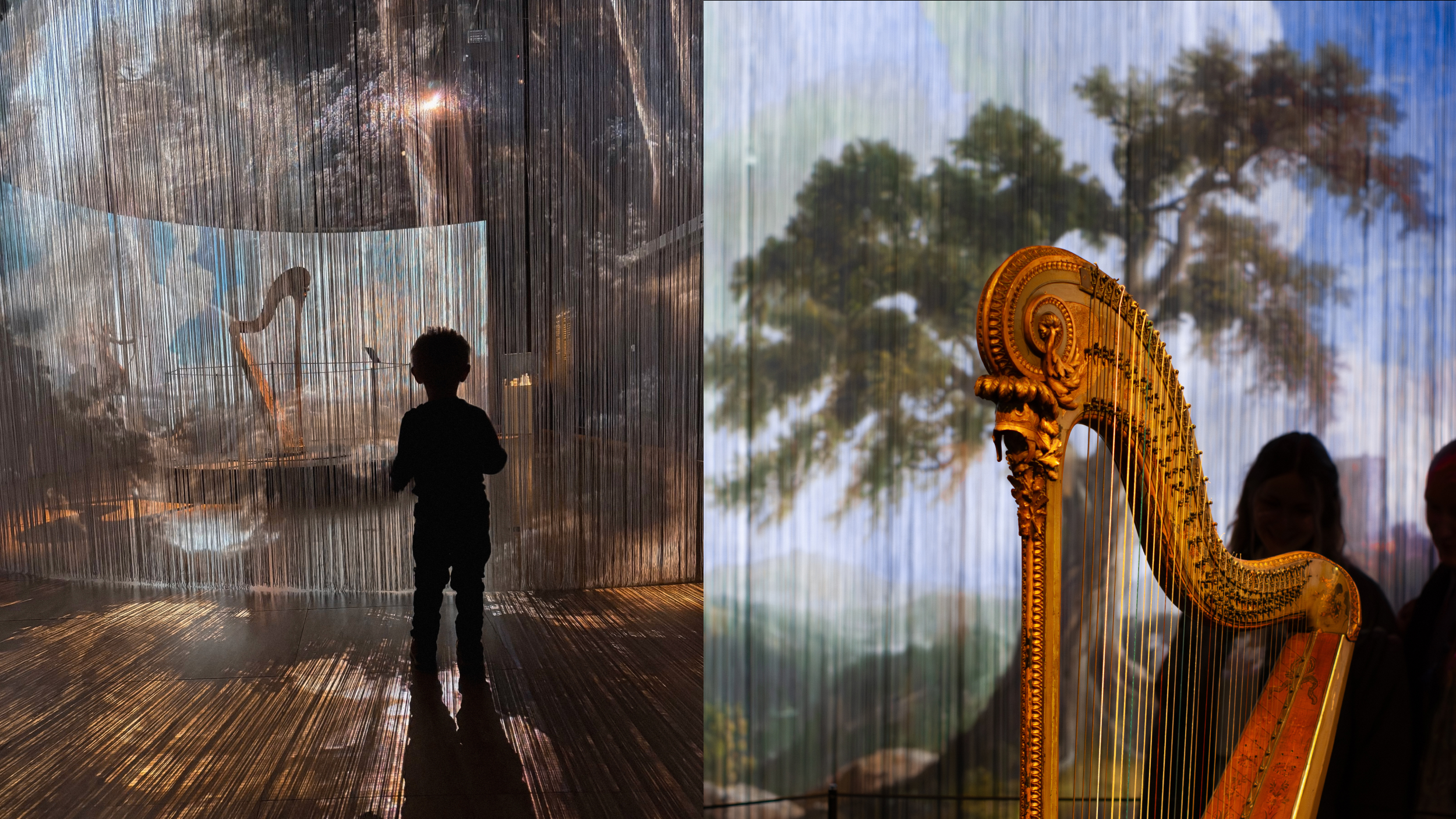
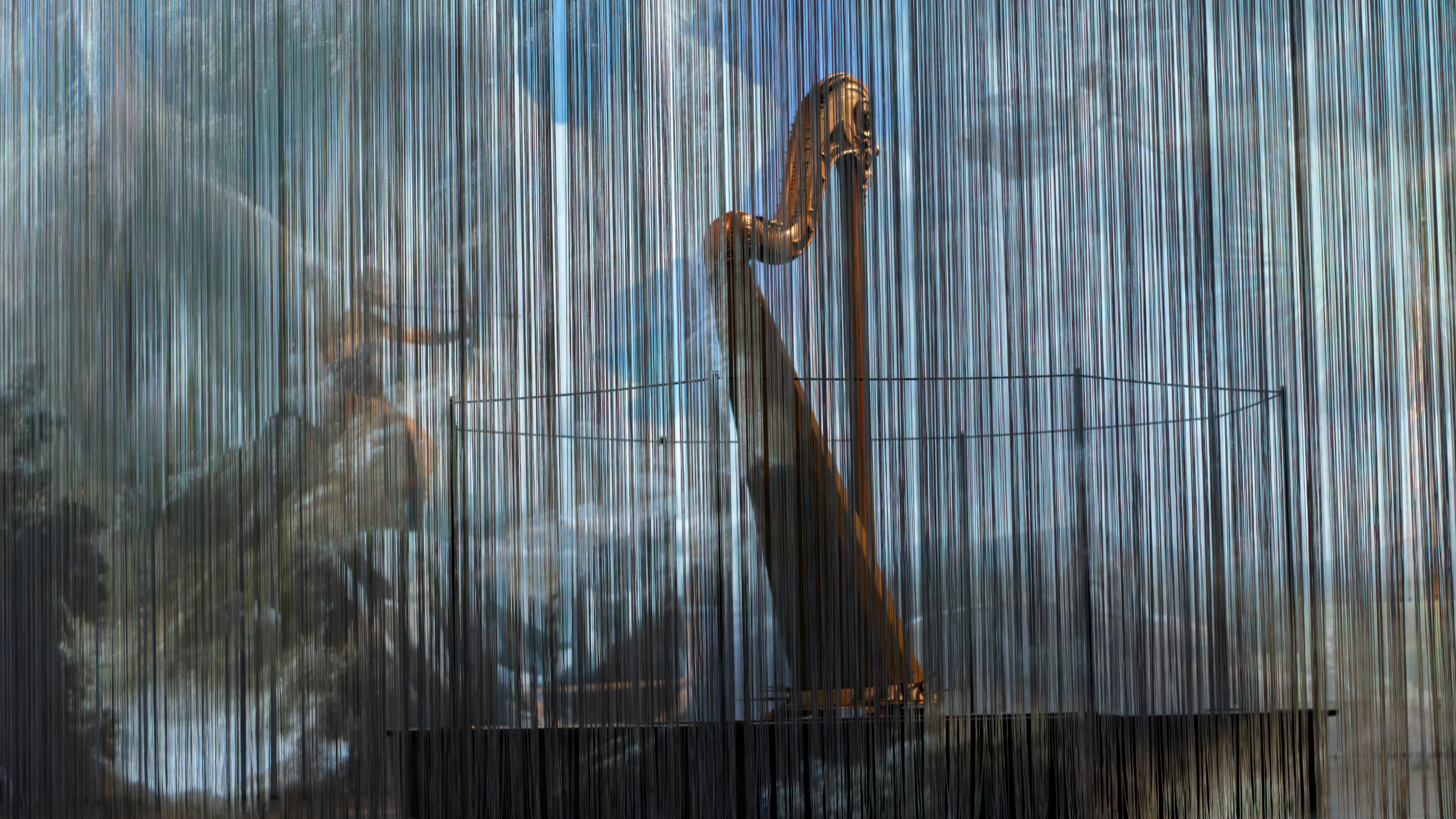
The exhibition was designed to appeal to a wide range of audiences, from children and families to professionals. The highlight of the exhibition is remarkable: Cousineau’s pedal harp from 1782 – the world’s first modern pedal harp. With its elegance, leaf ornamentation, gilded details, and extraordinary history, this instrument play the leading role in shaping the exhibition’s design.
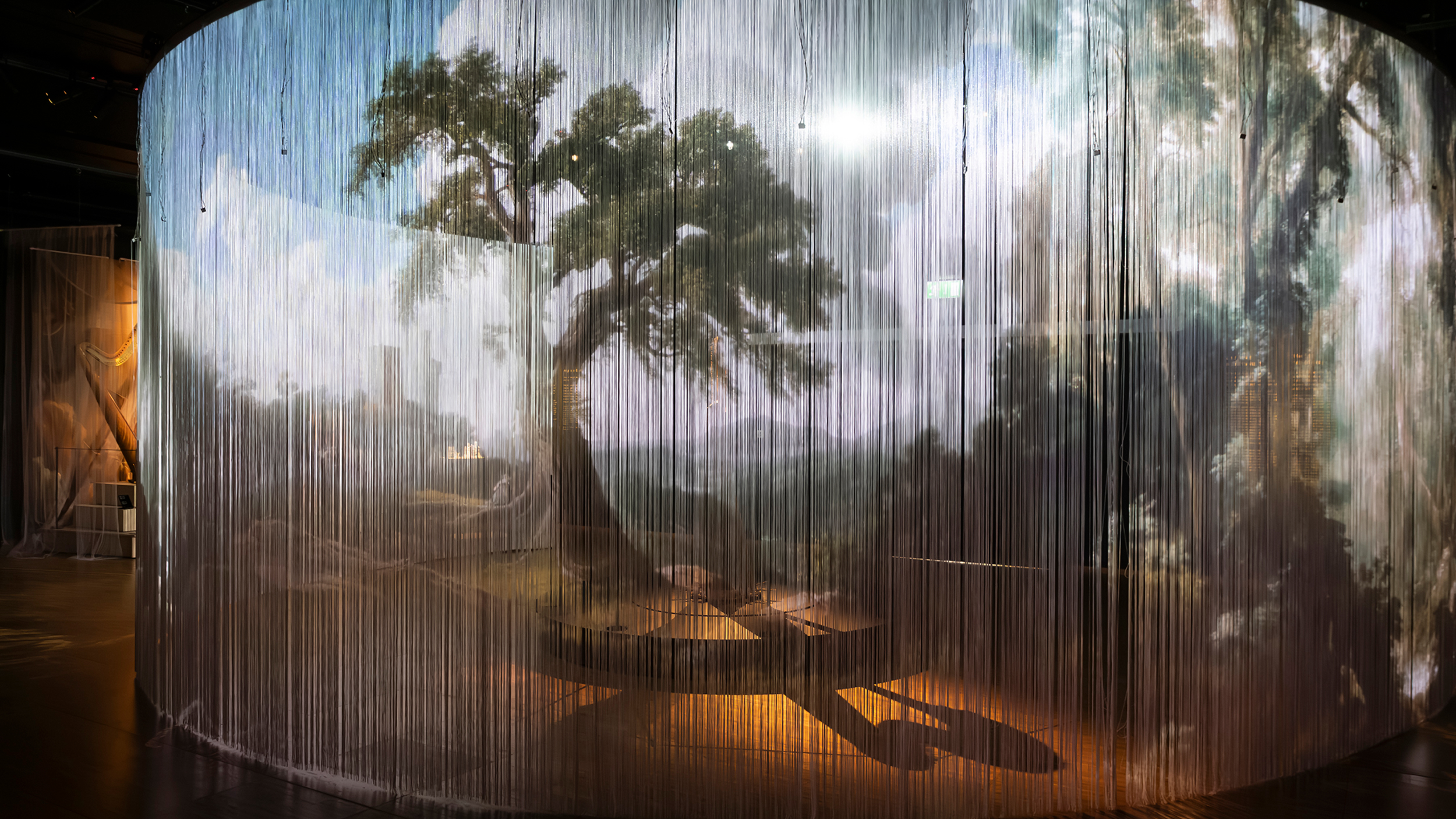
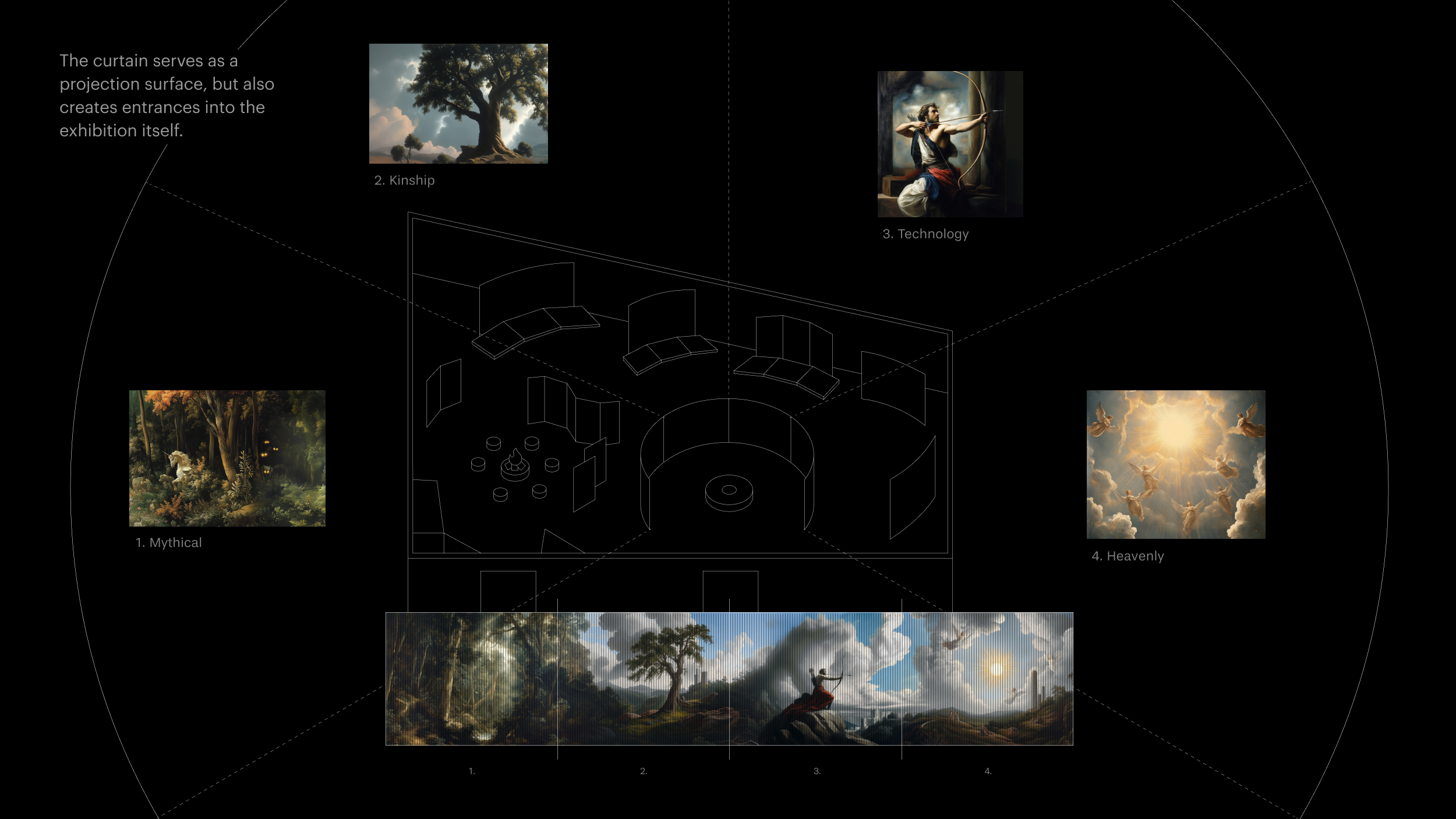
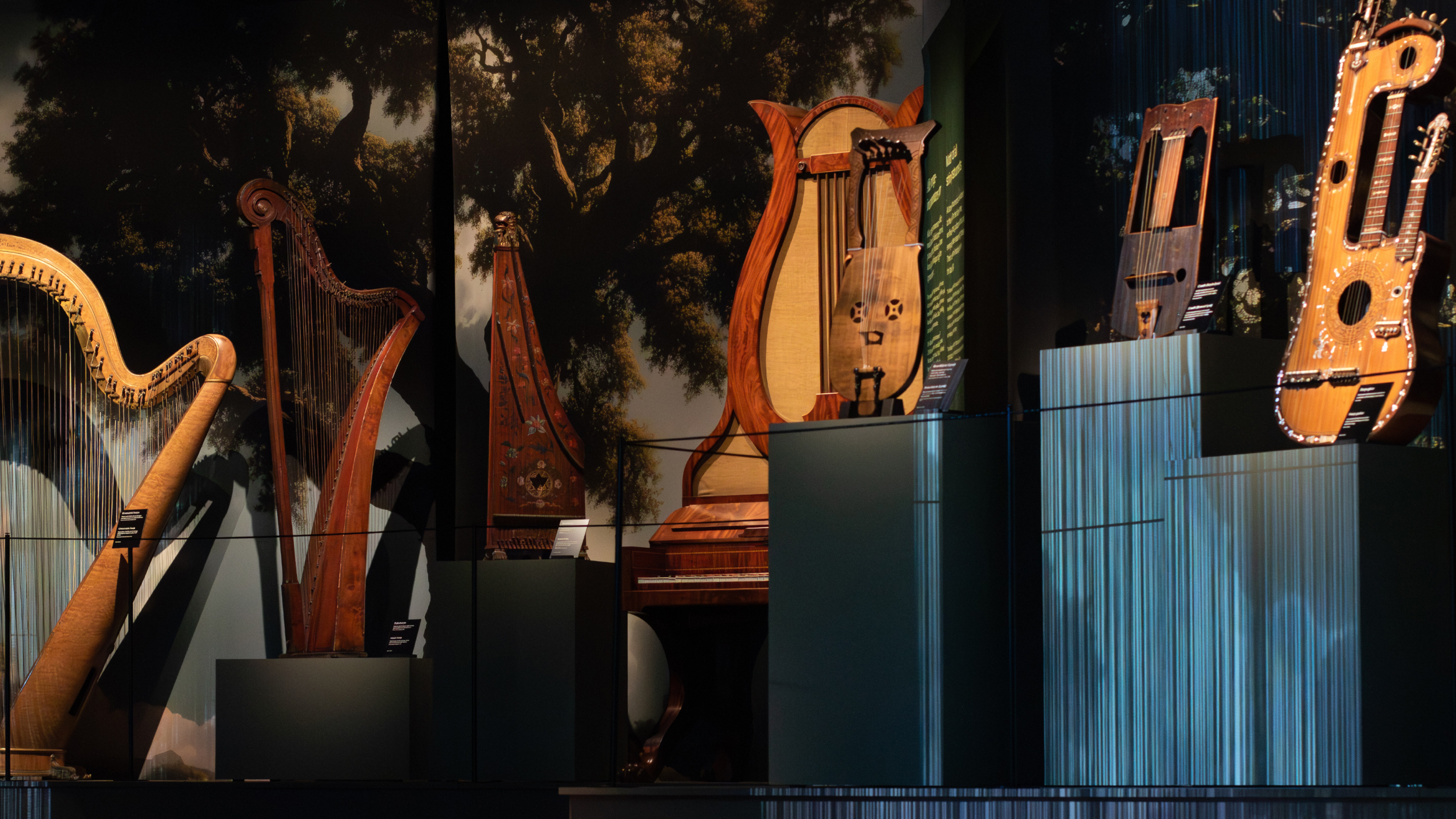
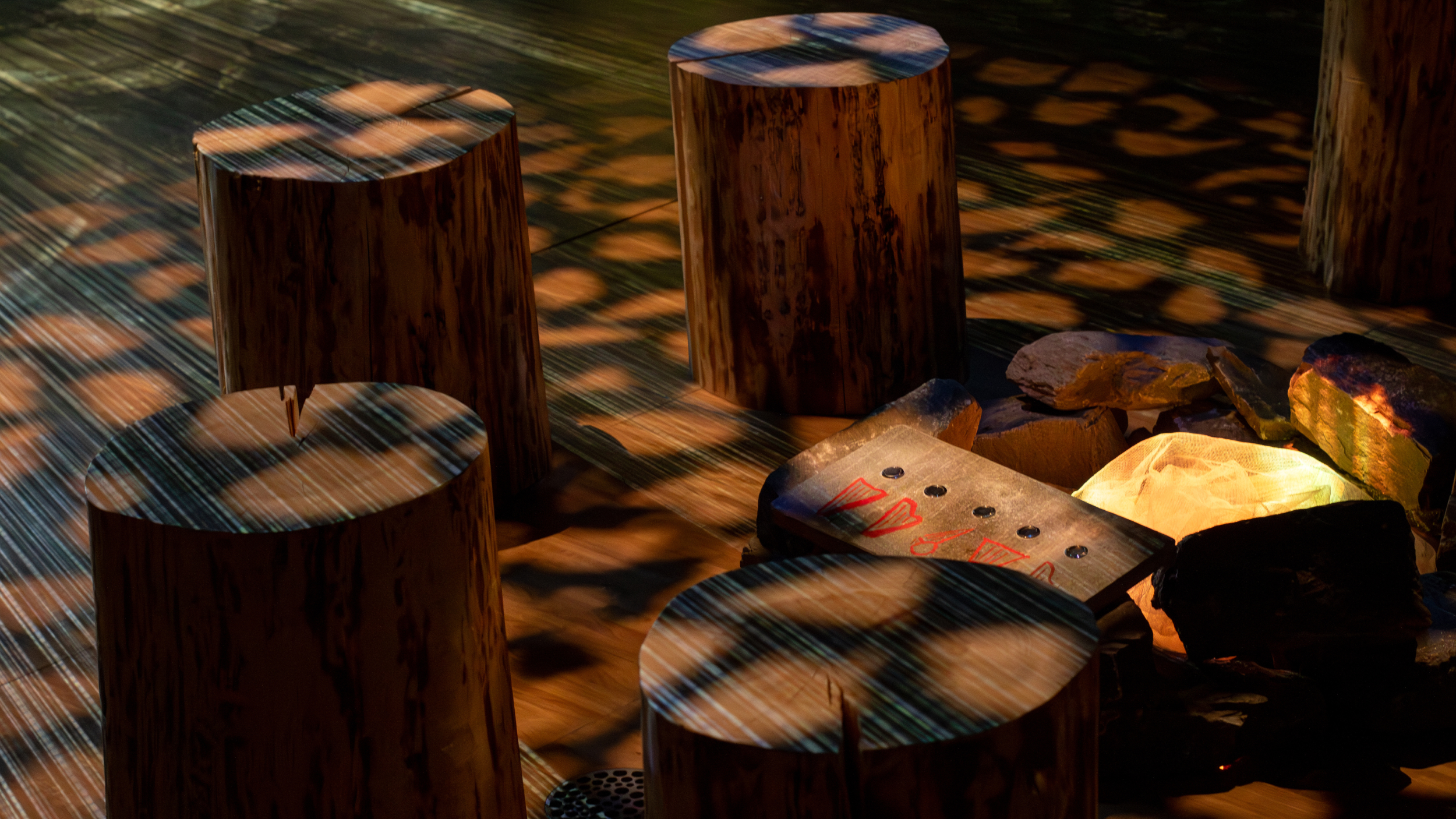
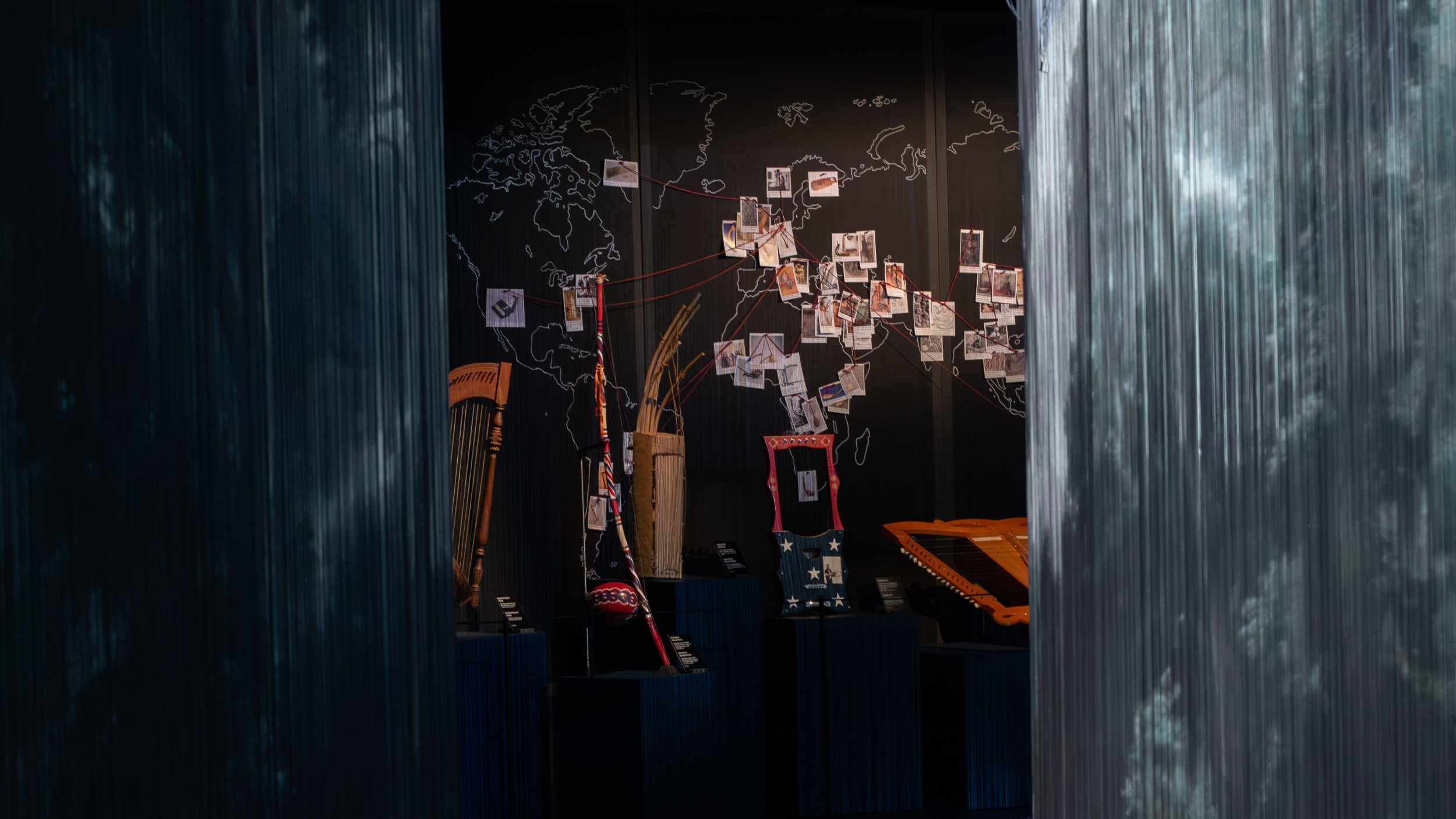
The central design element is a large collage, projected onto a wire curtain ressembling the vertical strings of a harp. Closely associated with chamber music, the harp is introduced in a space reminiscent of a private living room, with paintings lining the walls. The curtain serves as a projection surface, but also creates entrances into the exhibition itself. Embedded ensors trigger subtle animations as visitors move through it, making the experience both tactile and responsive. The collage is composed of numerous sub-motifs; ai was used to generate an extensive base of elements, which the designers then collaged into one long panel before dividing it into layers for animation. The curtain sends “strings of light” out into the exhibition, reinforcing the instrument’s form and presence.
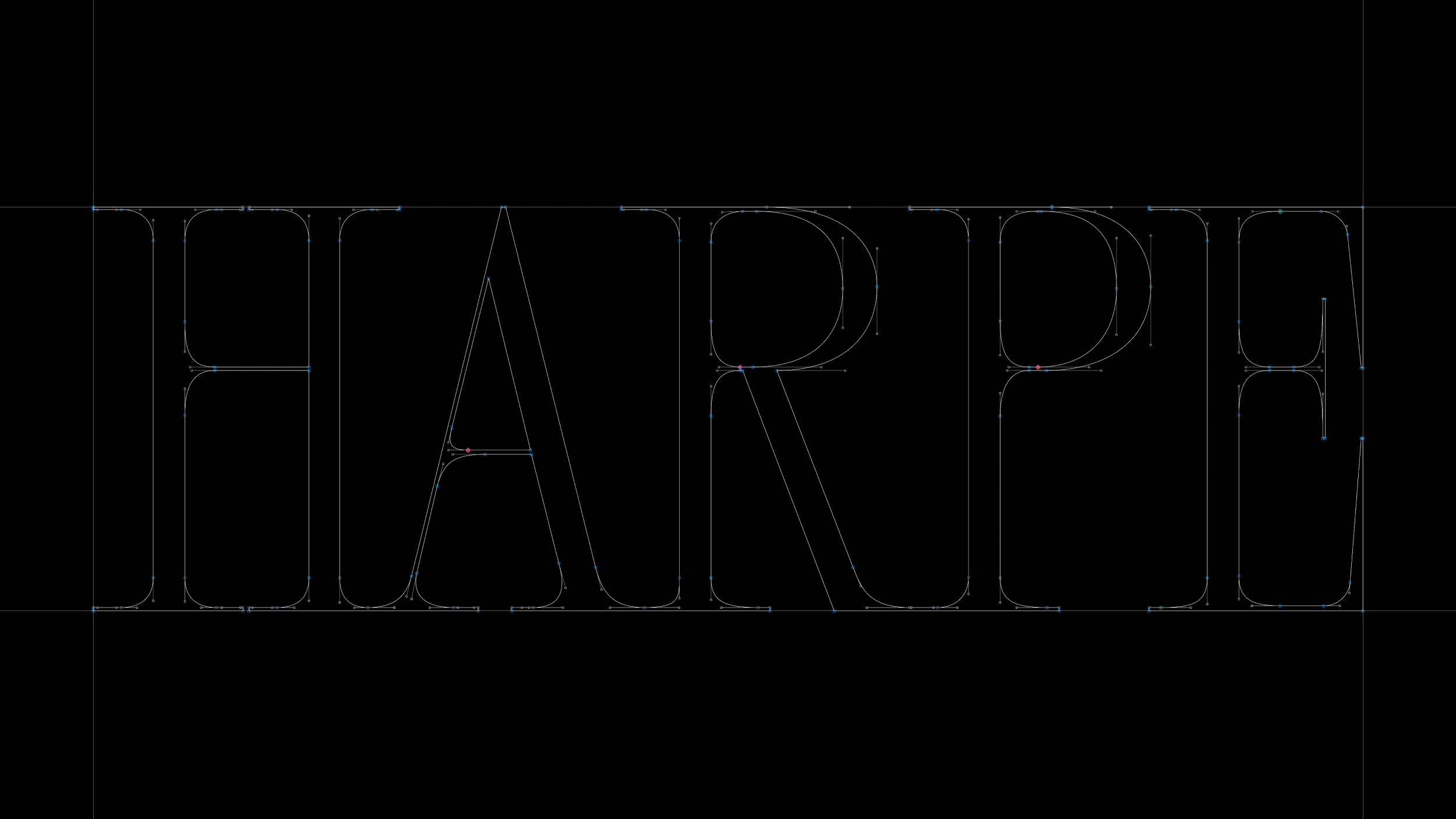
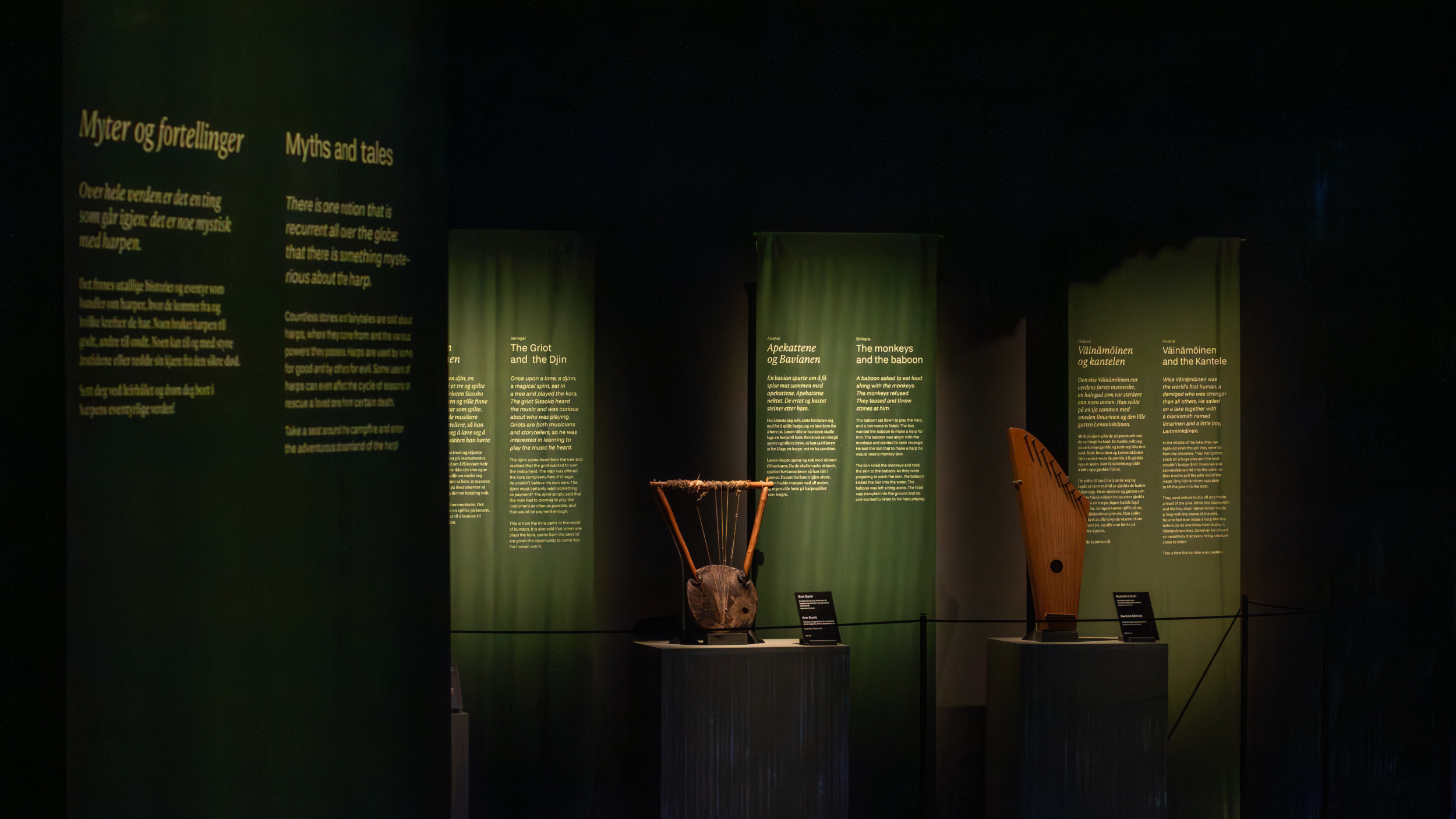
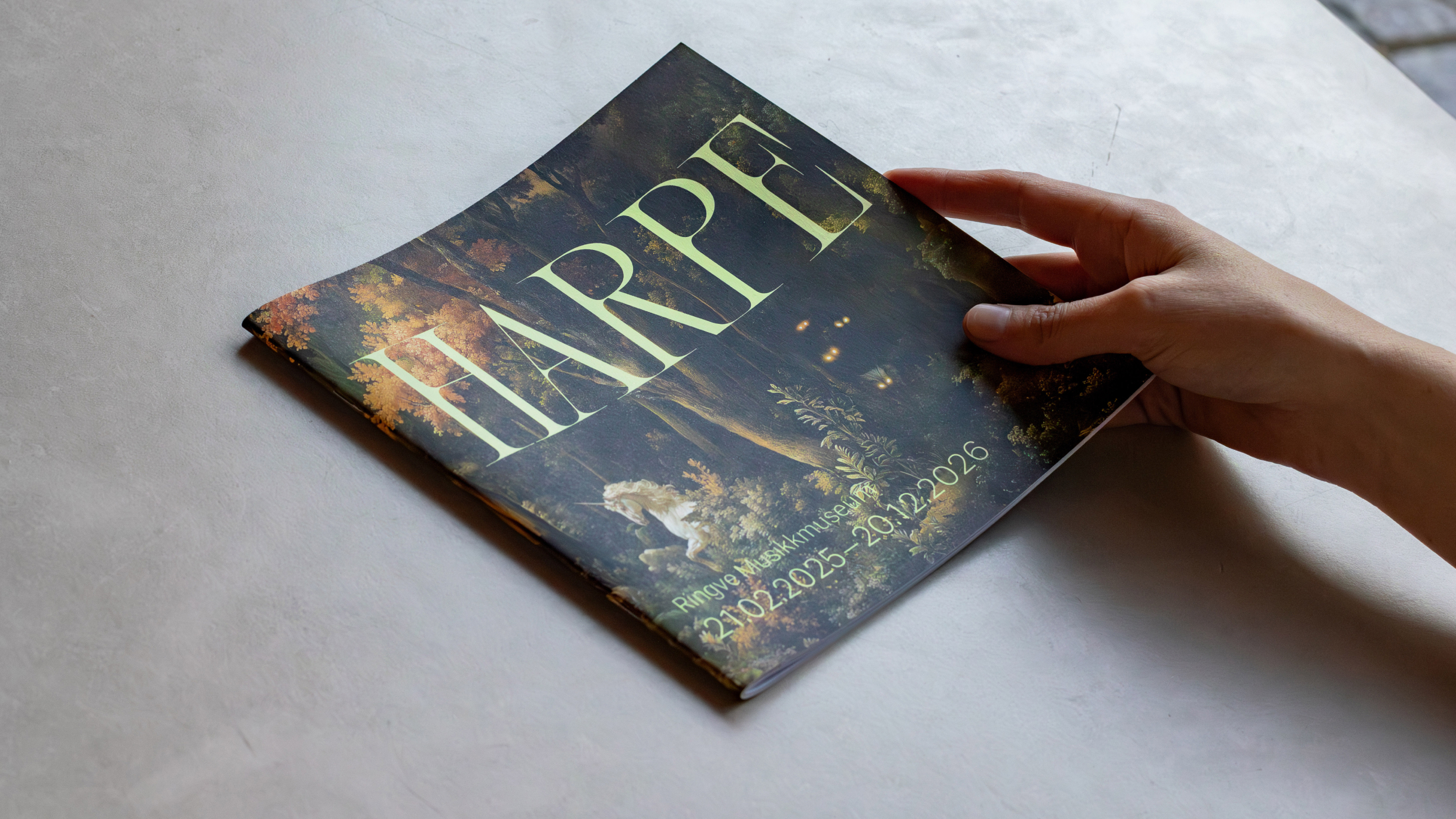
The motifs reference key themes such as mythology and the celestial. Visitors encounter them again on banners, as well as in marketing materials and the catalogue, creating recognition and visual continuity. Natural greens and blues dominate the palette, while acidic green adds energy and contrast. The hand-drawn logo subtly references the harp’s slender, vertical shape.
The Norwegian Museum of Music – Ringve and Rockheim, aims to be an inclusive meeting place centered on the relation between music and people. While the exhibition looks back in time, it has been designed as a playful, accessible, and welcoming experience.
Credits