Appendix 2 of the book 1855-1990 of het Genootschap Architectura et Amicitia
The ‘Genootschap Architectura et Amicitia’ (AetA) is an association of architects and persons from related fields, which since 1855 has been involved in organizing domestic and foreign travels, talks, lectures, exhibitions and publishing FORUM (a magazine). The first 135 years of existence are recorded in the book 'Genootschap Architectura et Amicitia 1855-1990' (1992). The first appendix of this book – 'Genootschap Architectura et Amicitia 1991-2005', came out on the occasion of the 150th anniversary. Now that the 165th anniversary of AetA is being celebrated in 2021, the second appendix has been published. We are submitting this book - 'APPENDIX 2 Genootschap Architectura et Amicitia 2006-2020' - for the European Design Awards 2022.
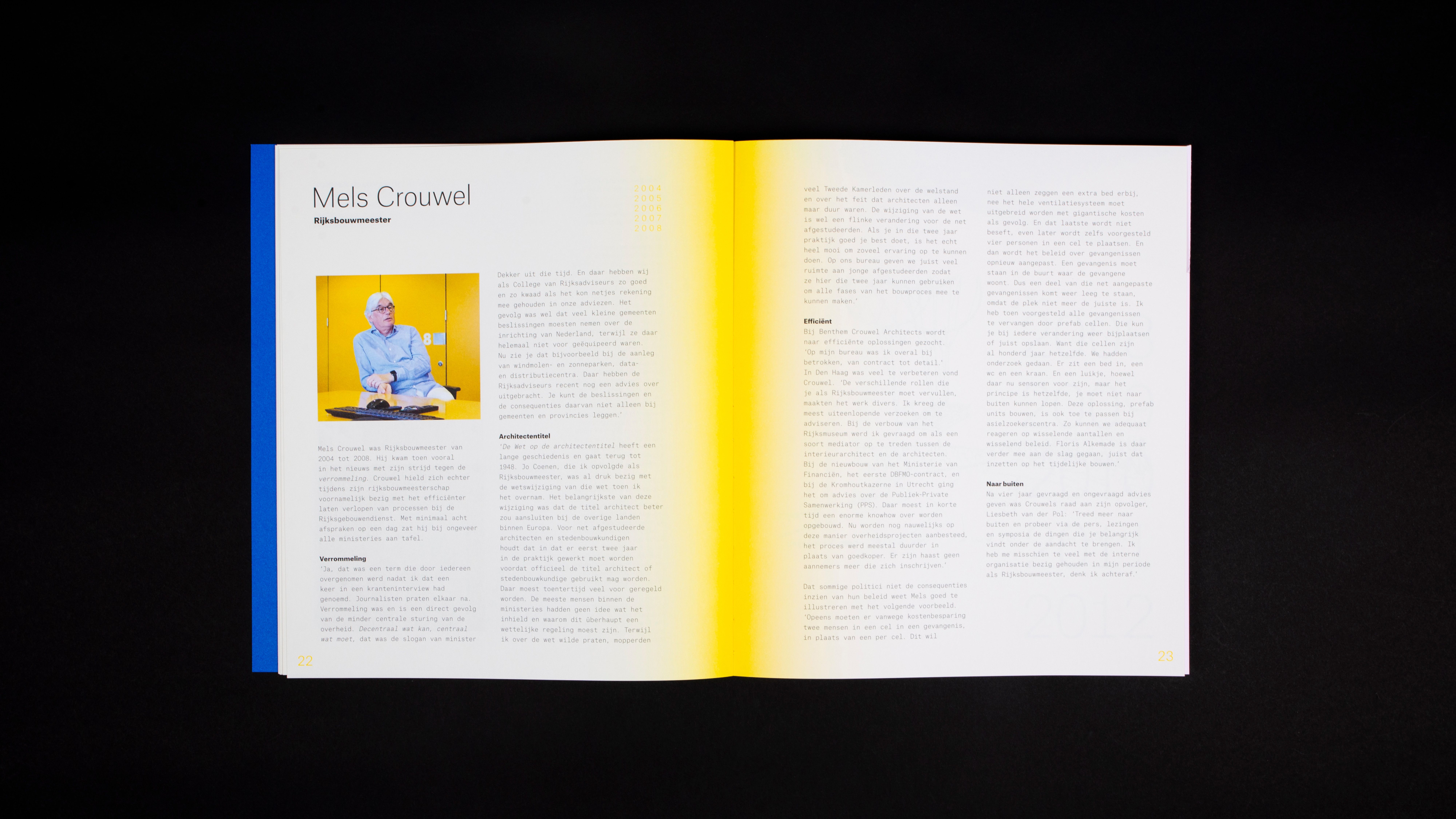
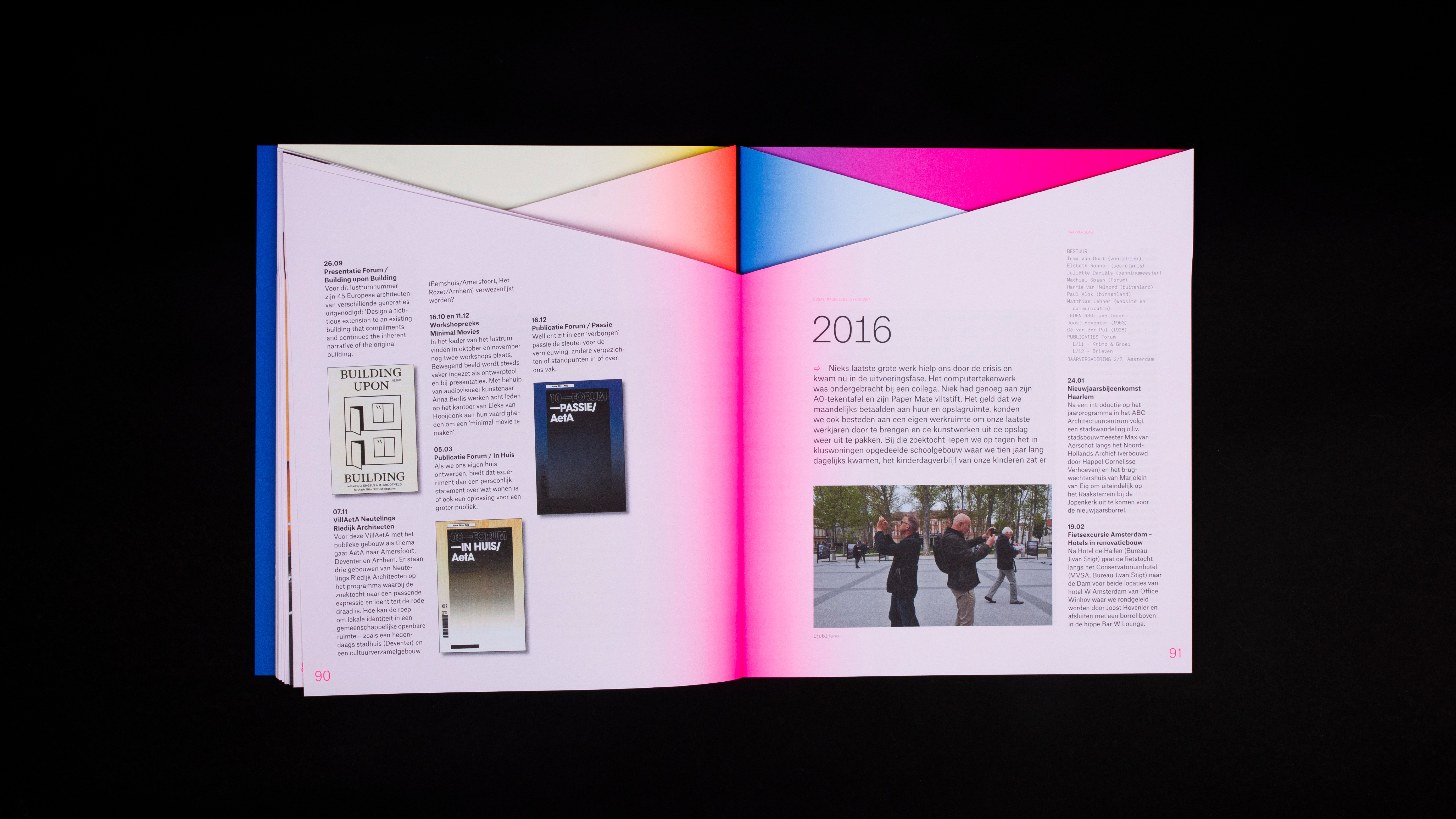
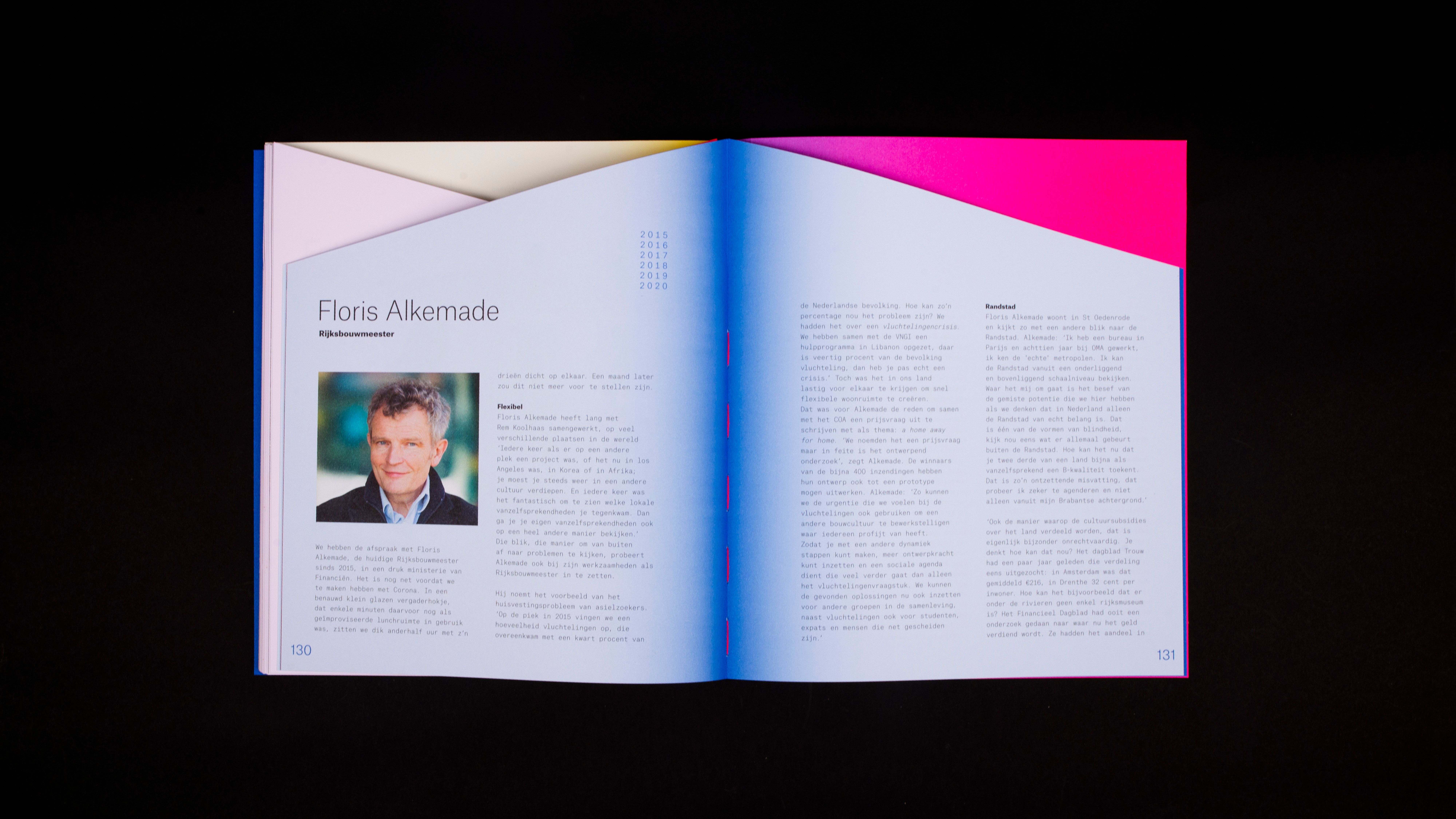
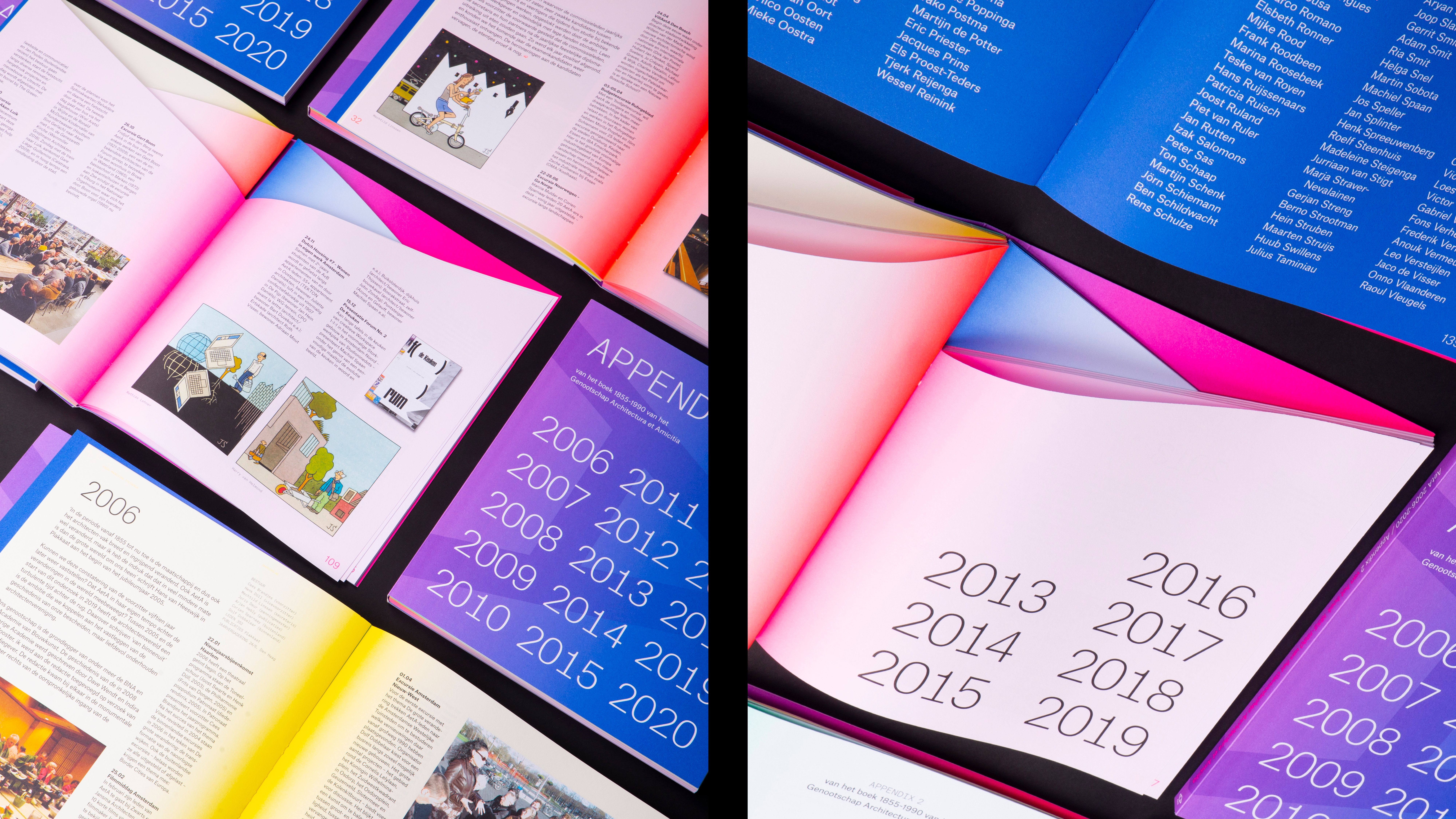
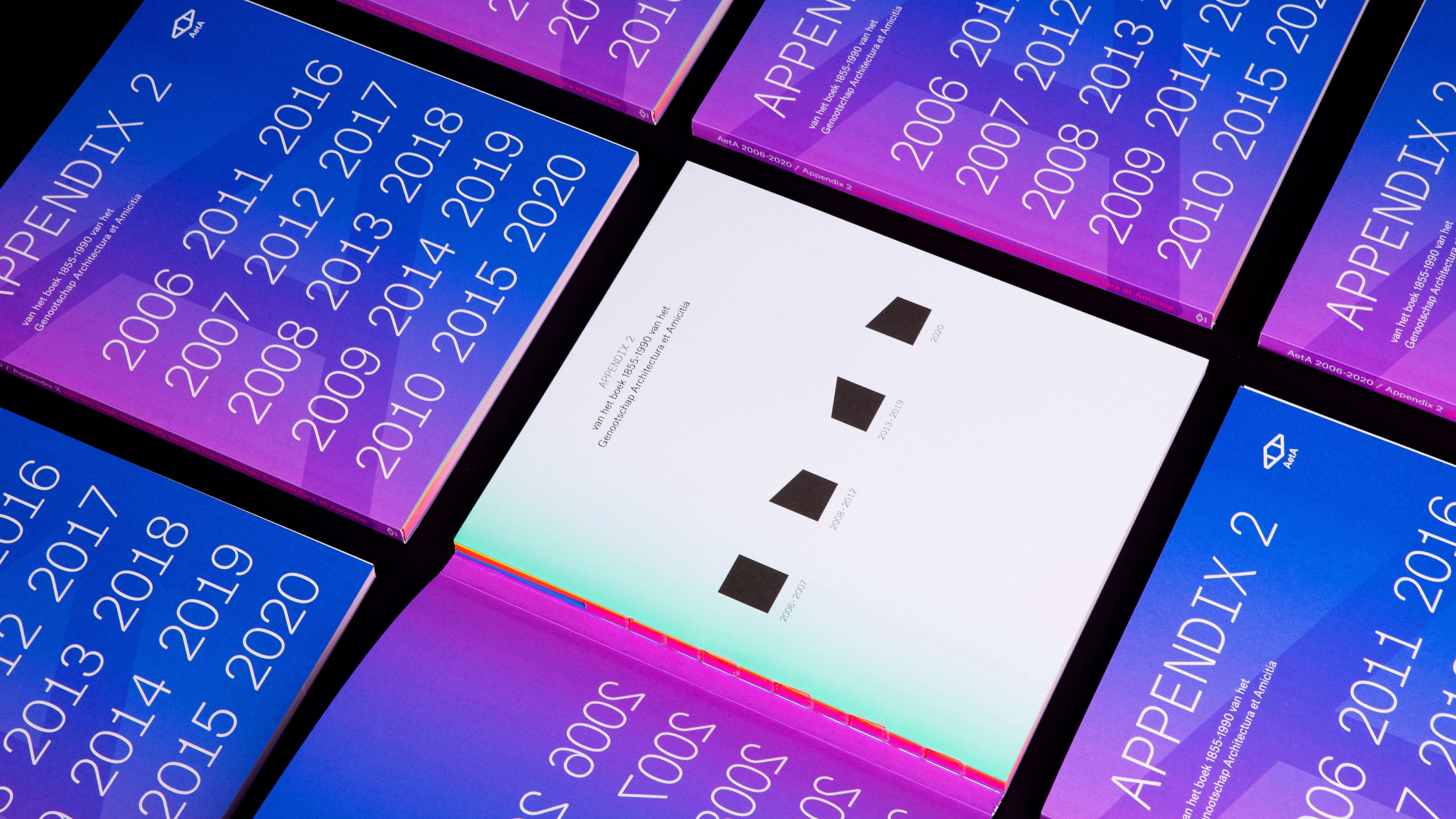
The book is a collection of: reports of activities, organized by AetA for the members, with supporting visual material, portraits of board members drawn by Joost Swarte, covers of Forum, interviews with government architects (2006-2020) and a personal essay, written by architect Madeleine Steigenga. The personal essay runs like a thread through the book.
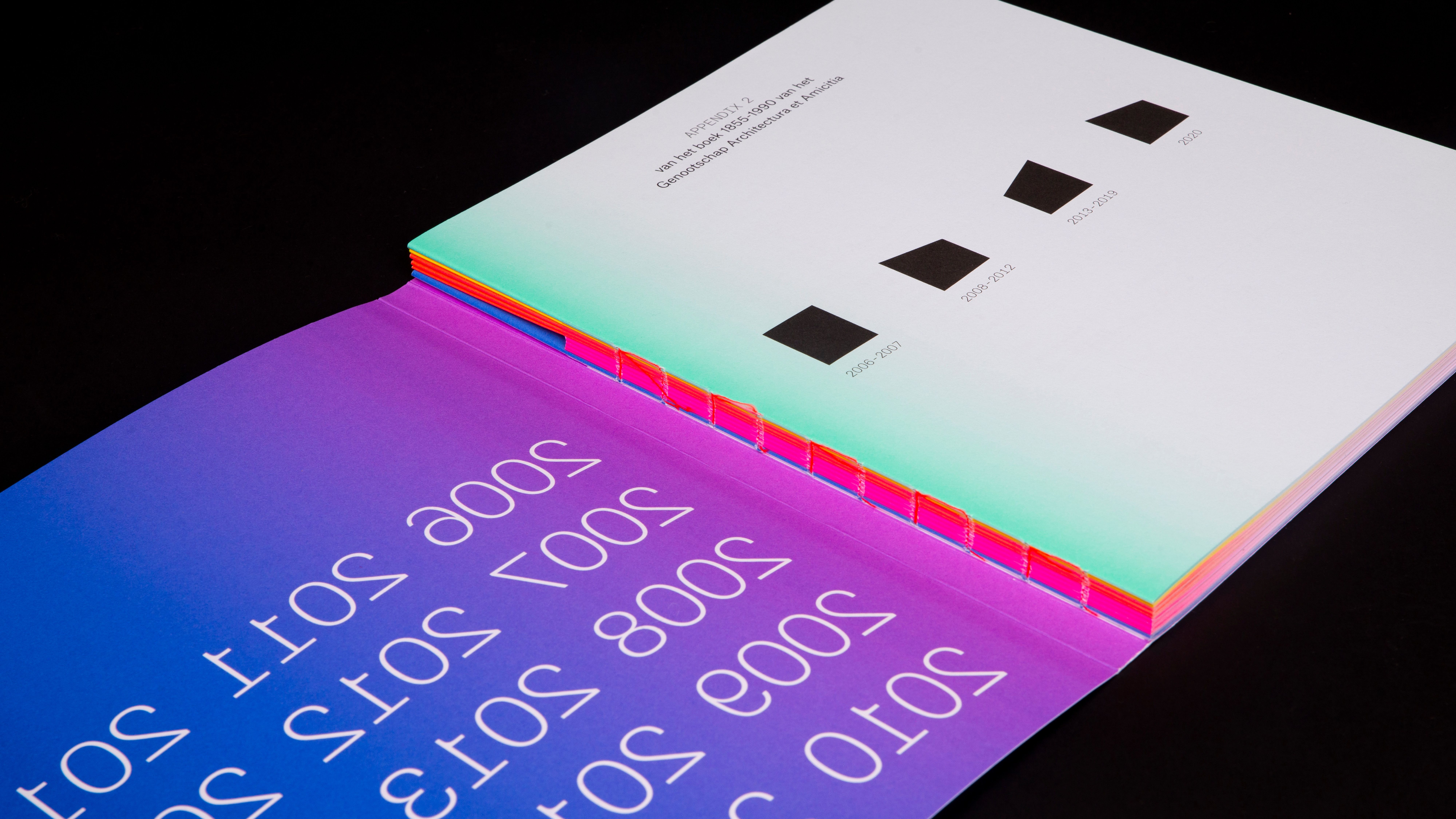
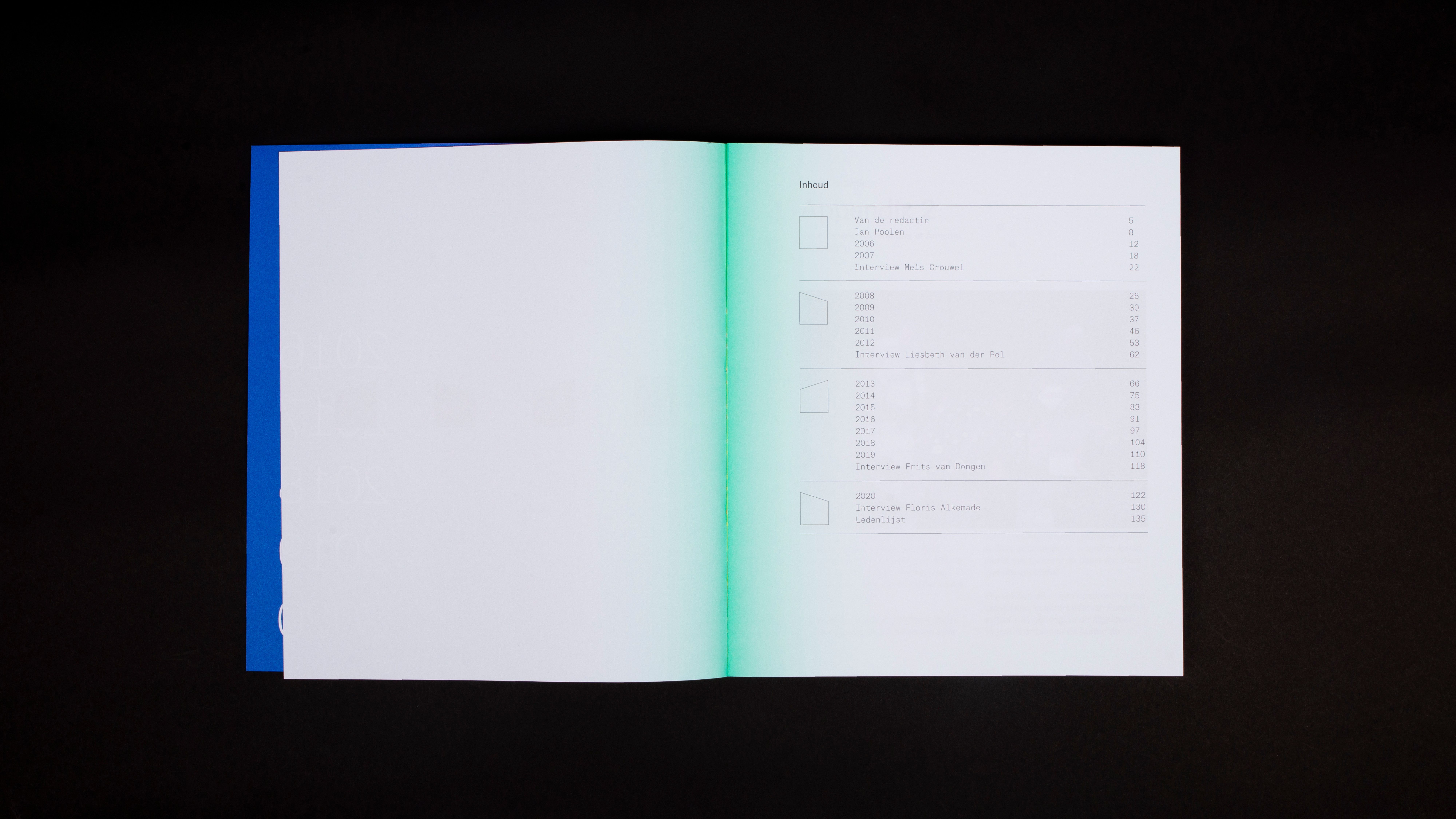
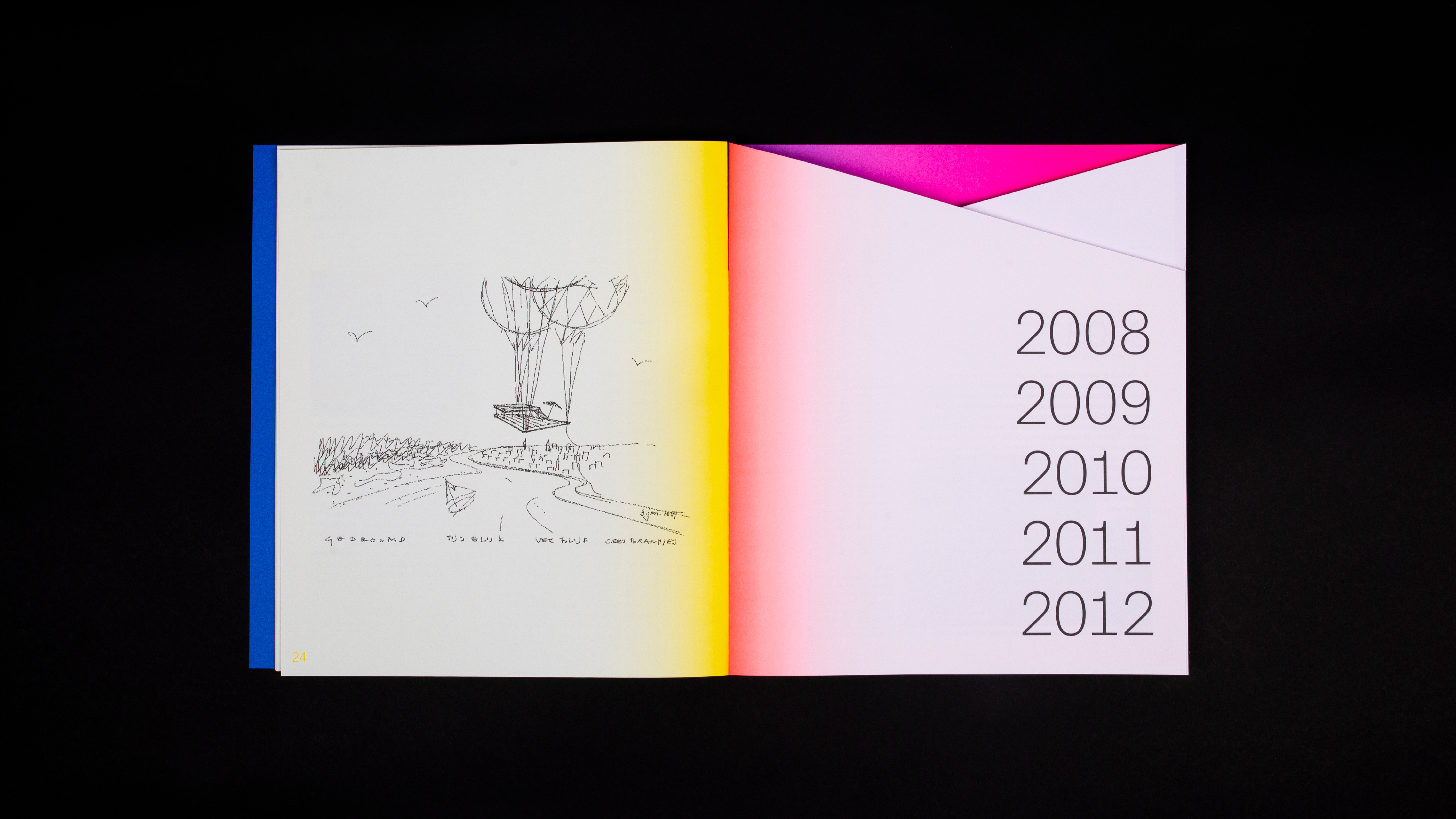
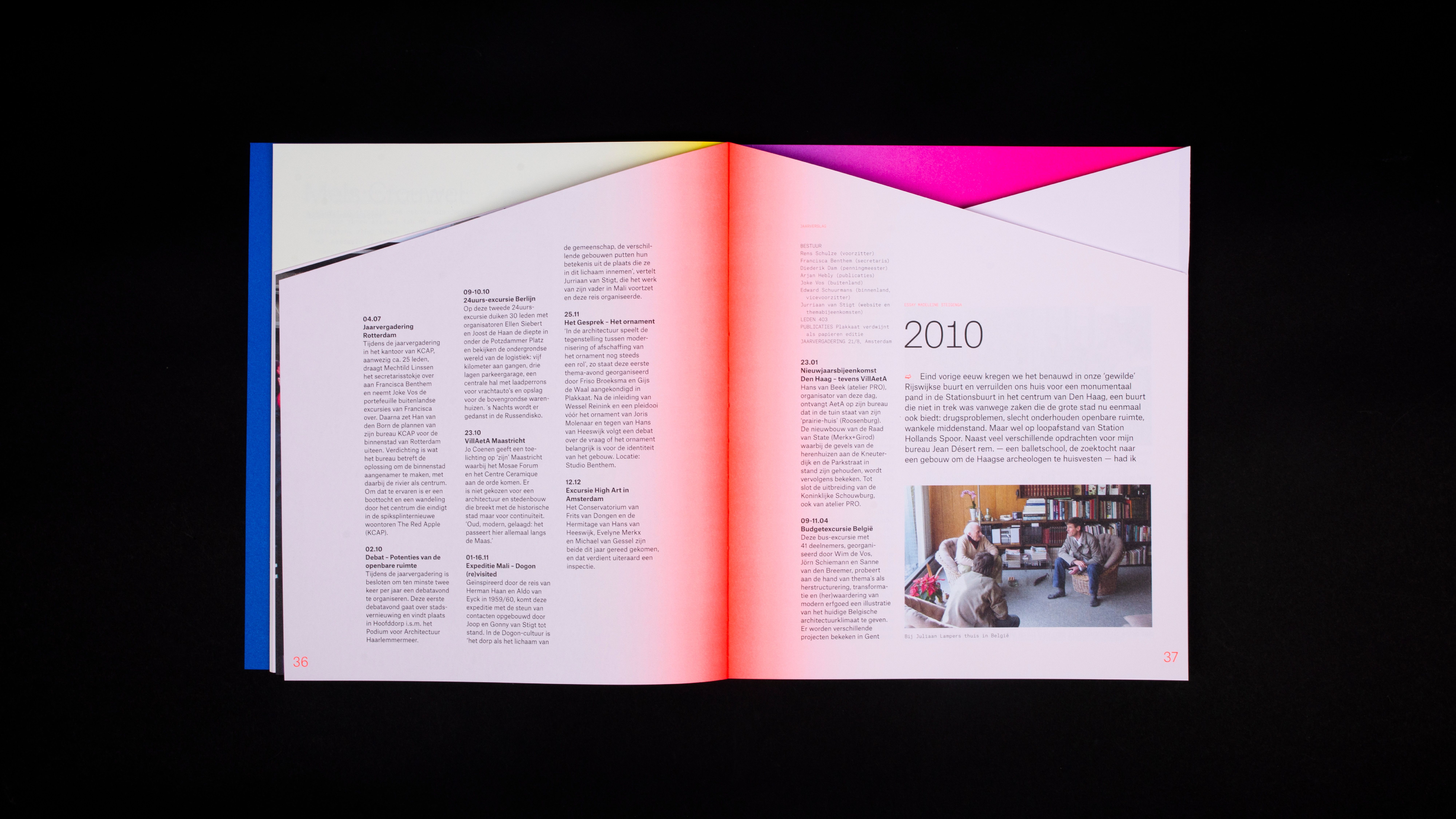
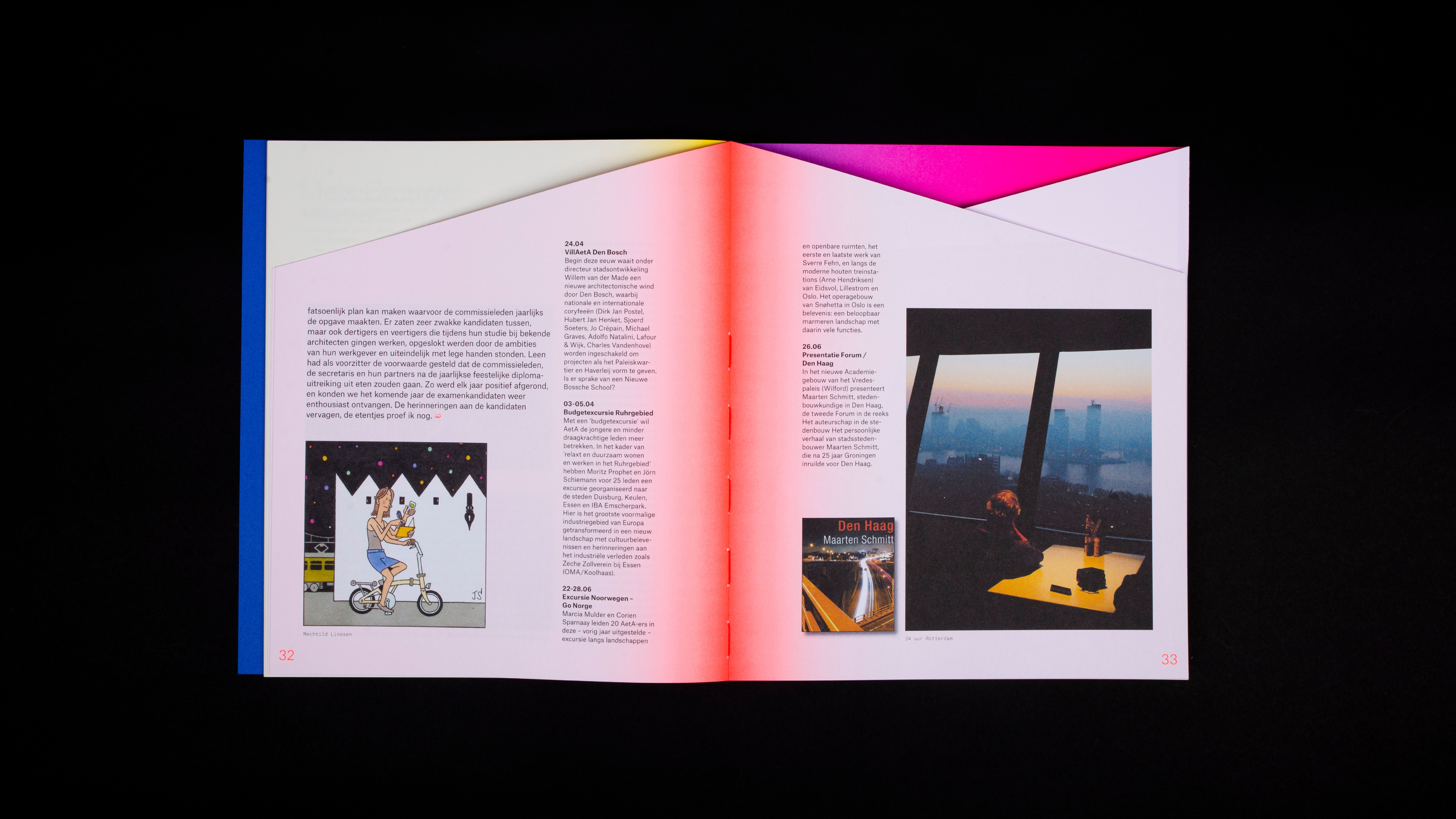
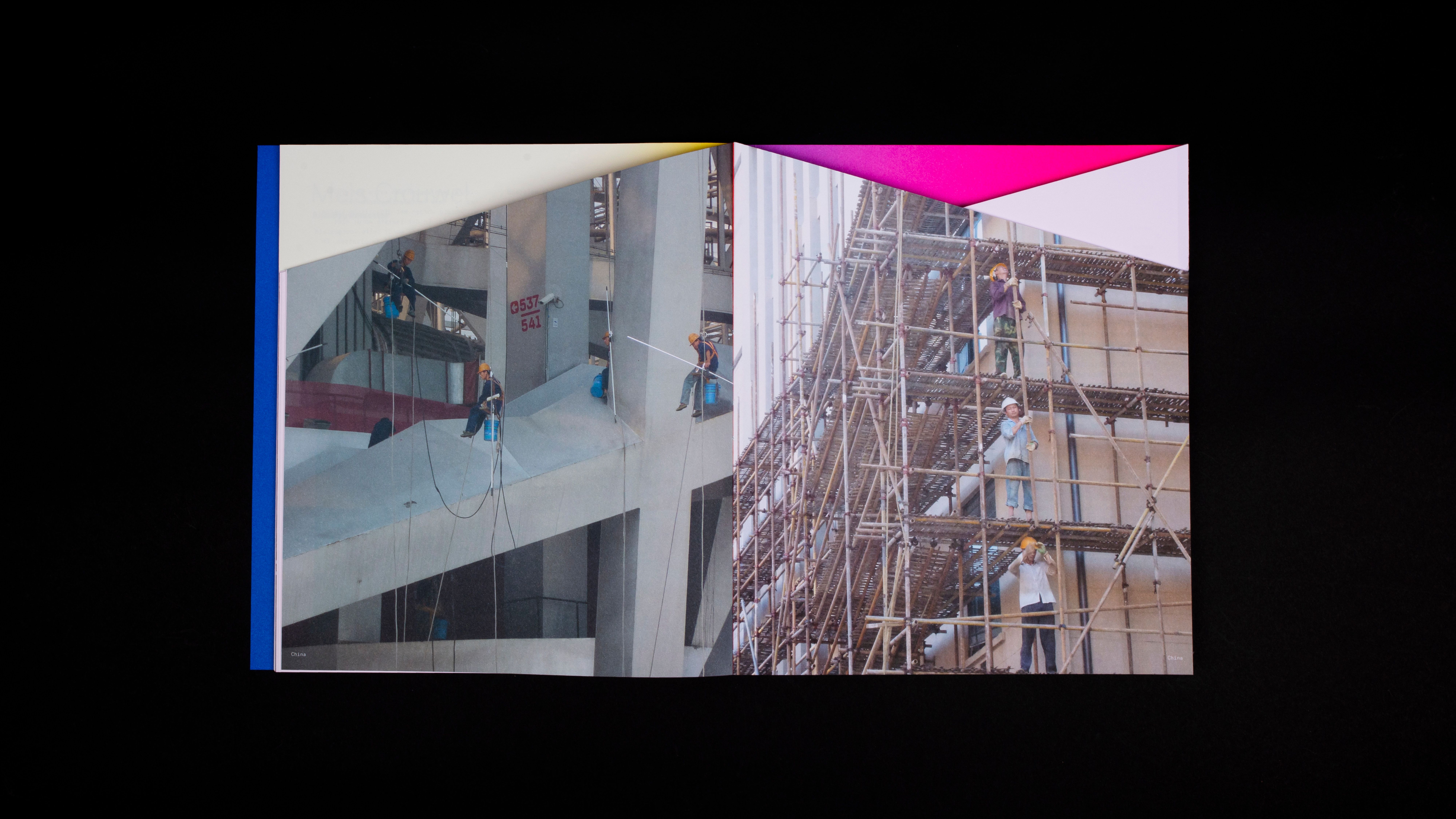
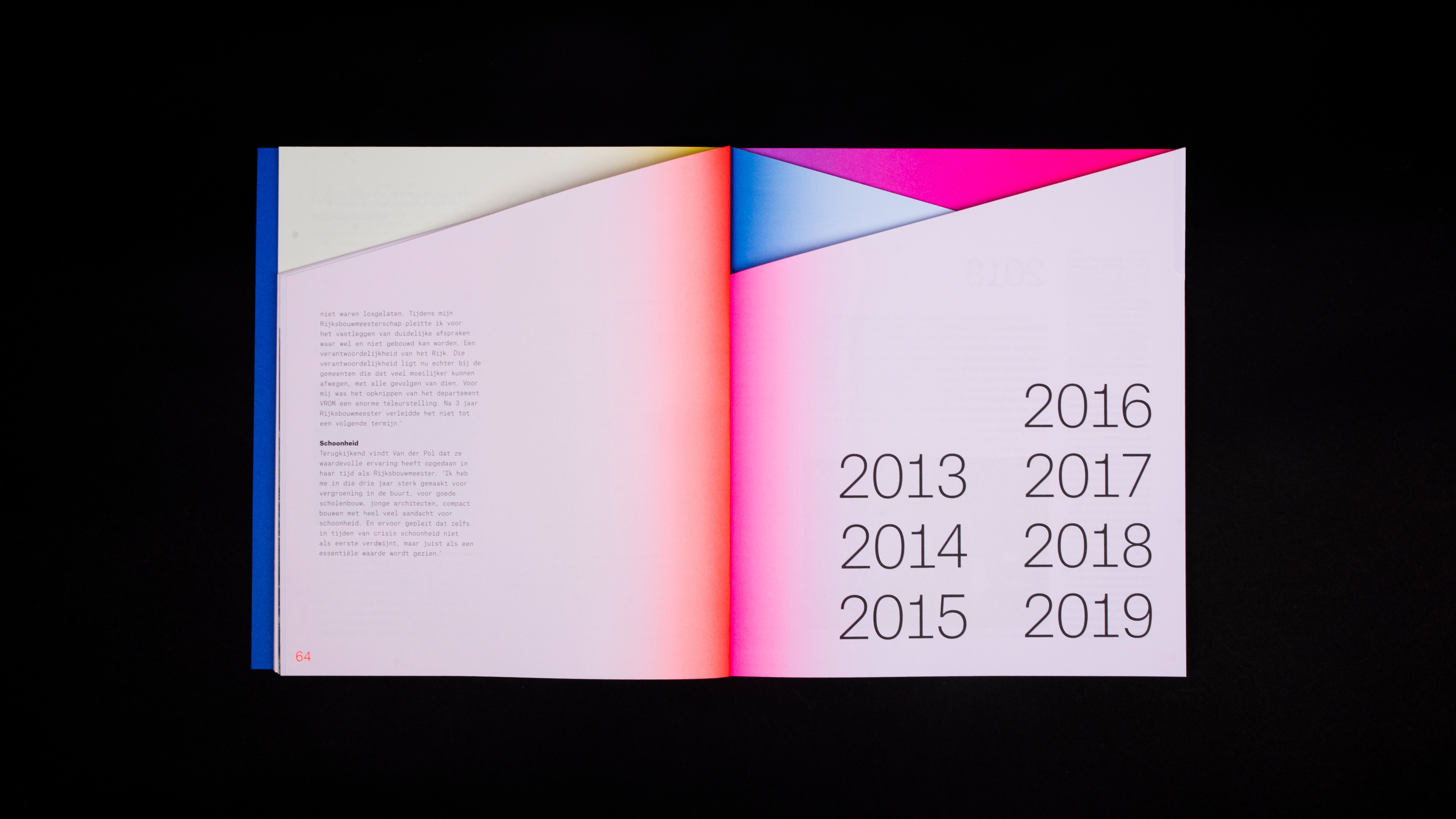
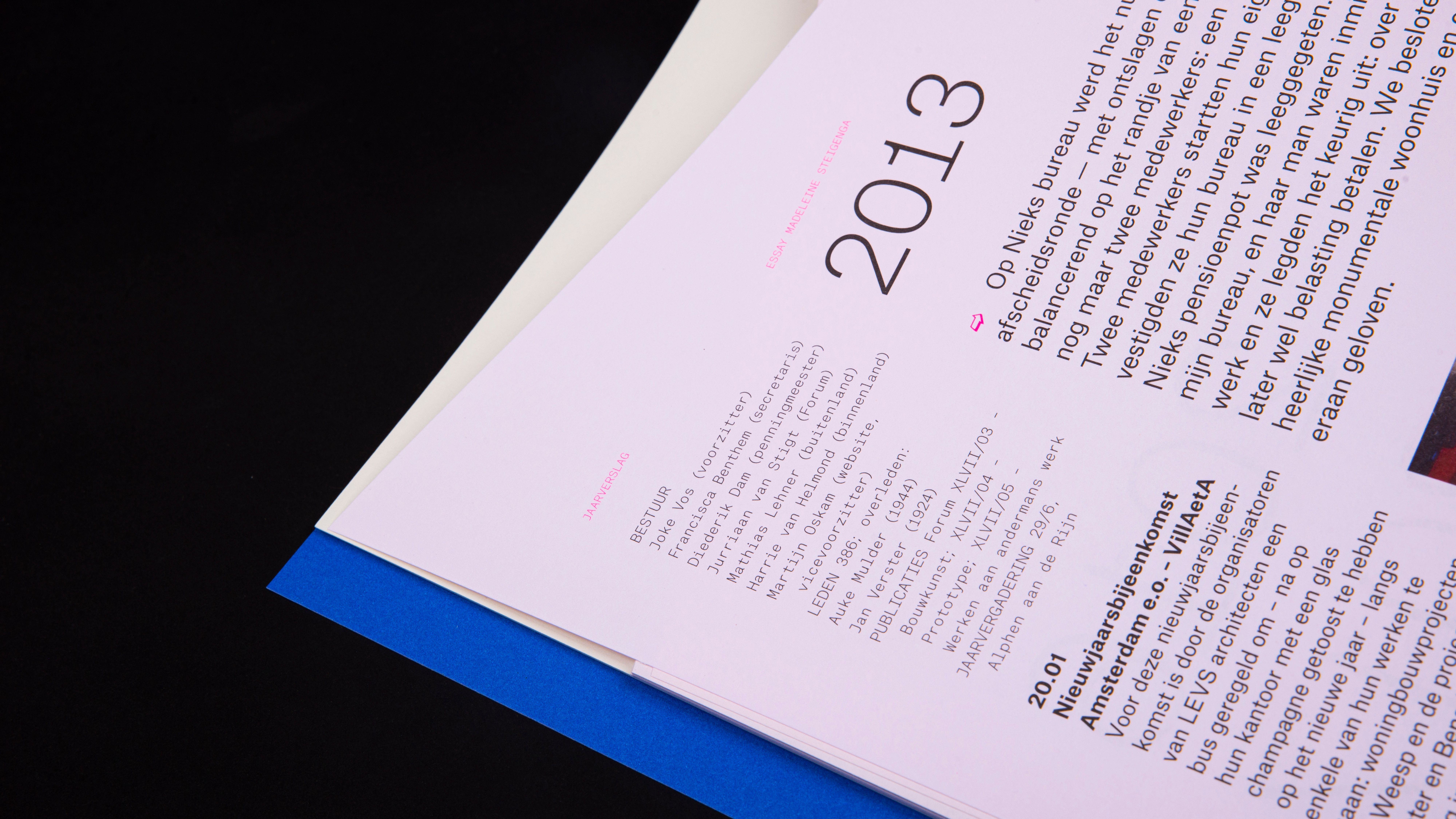
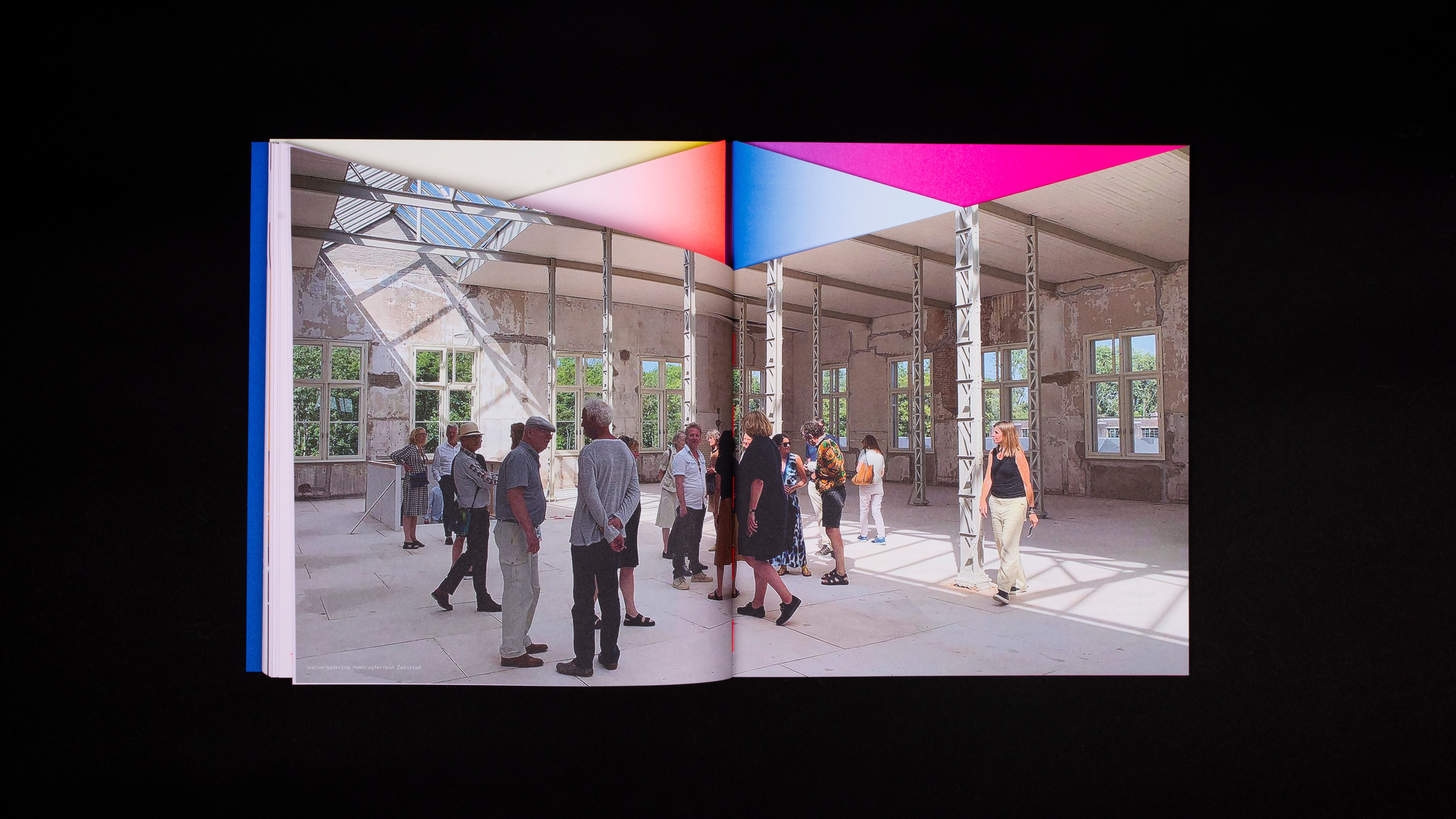
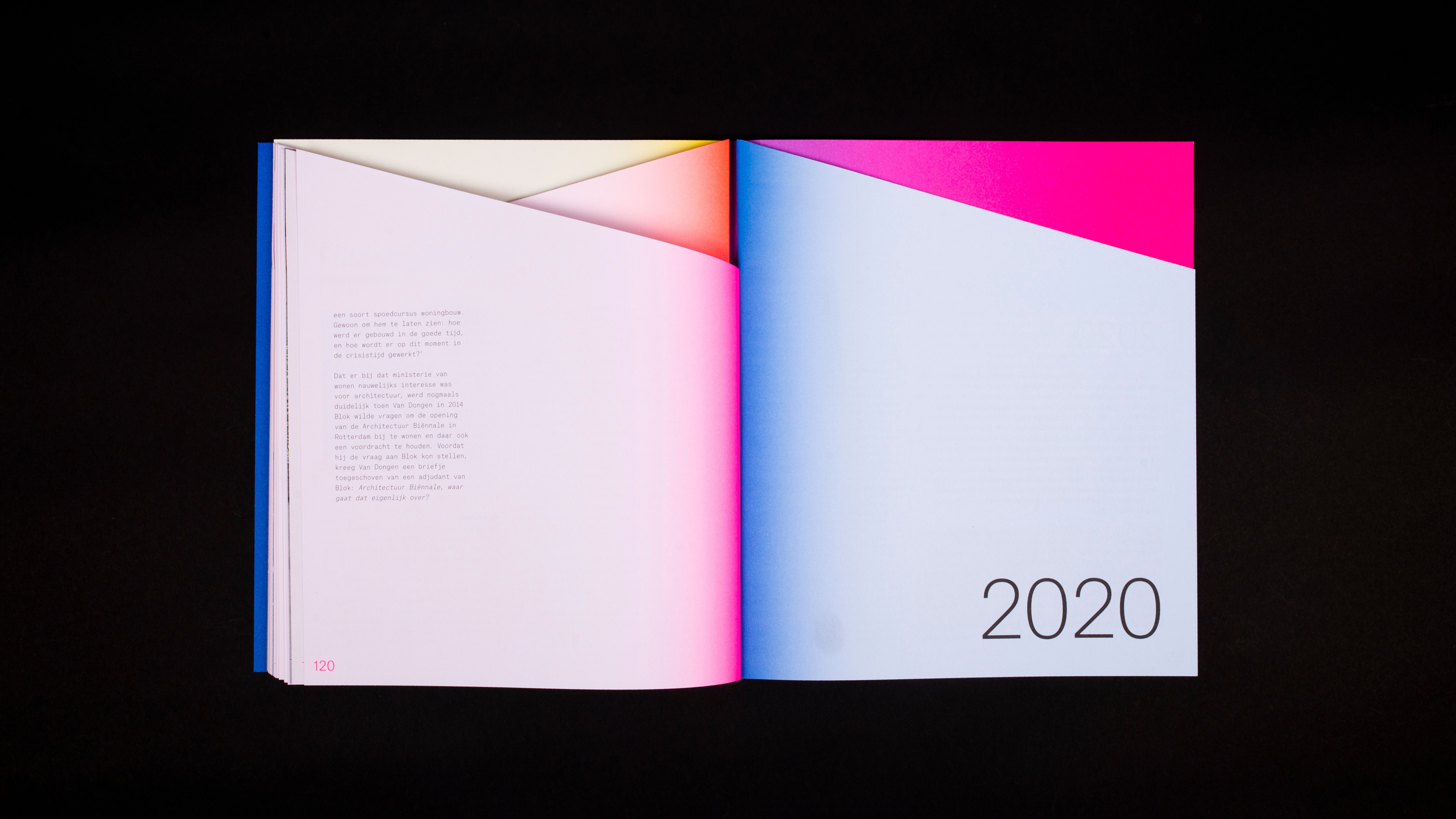
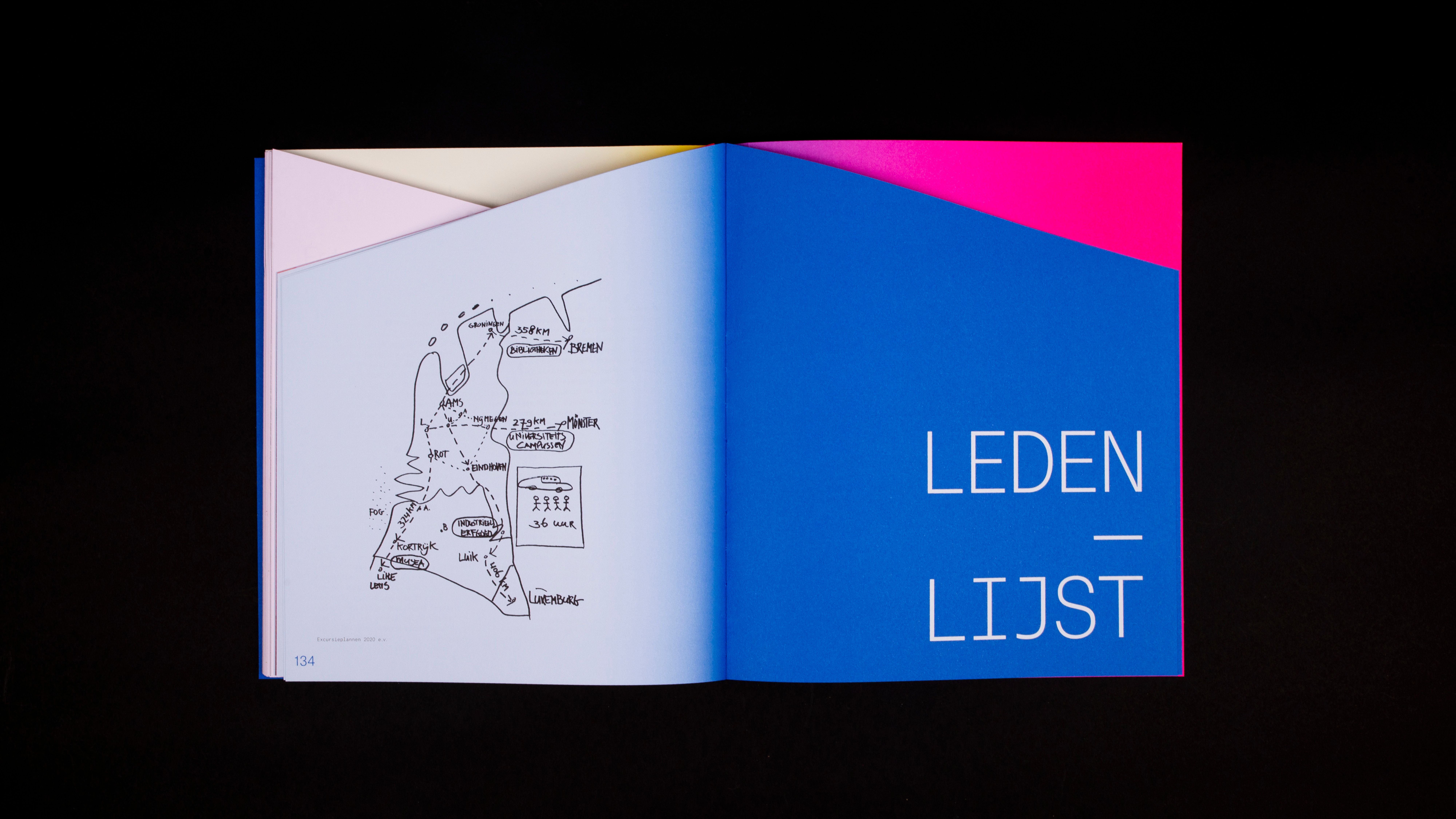
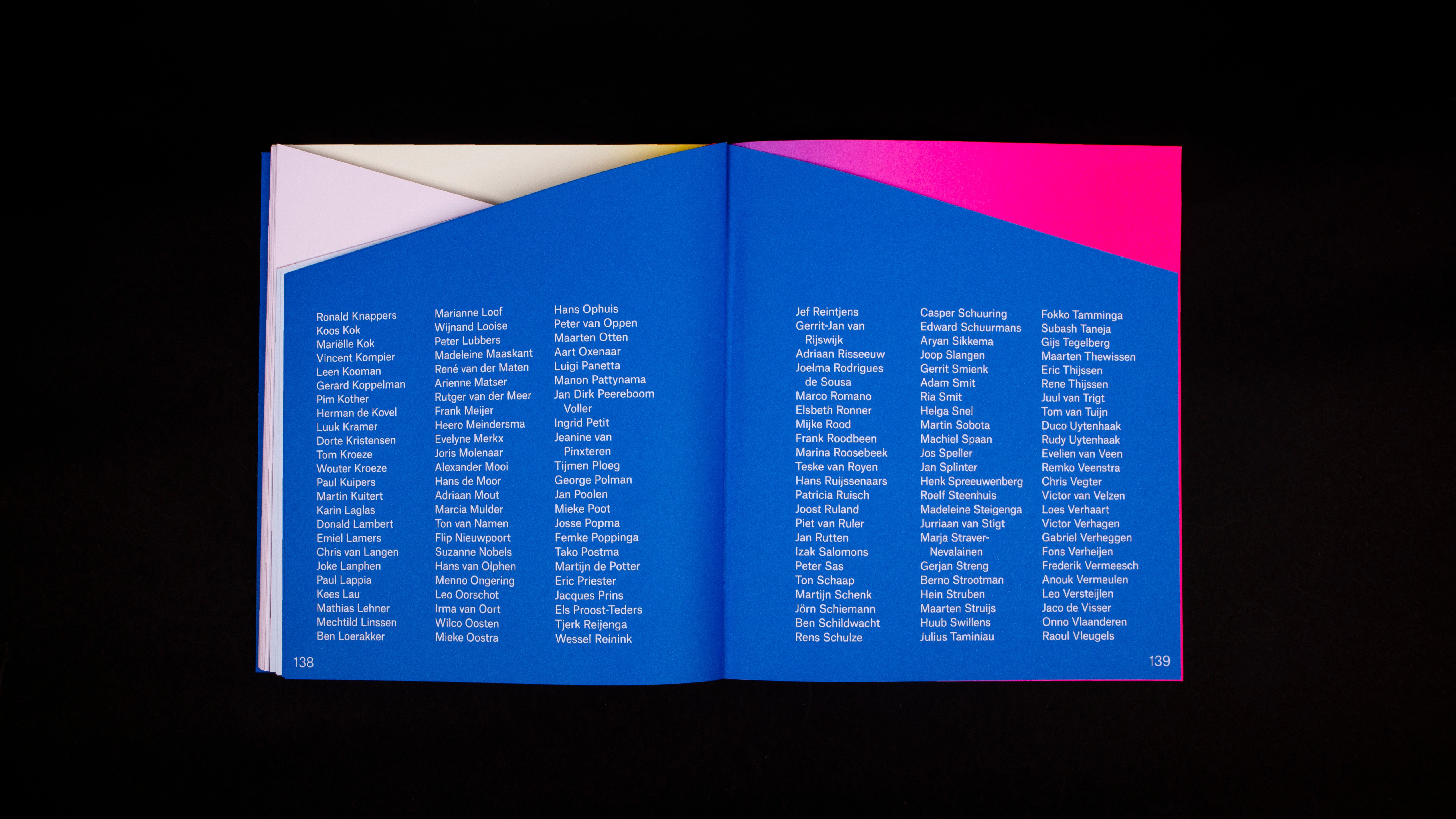
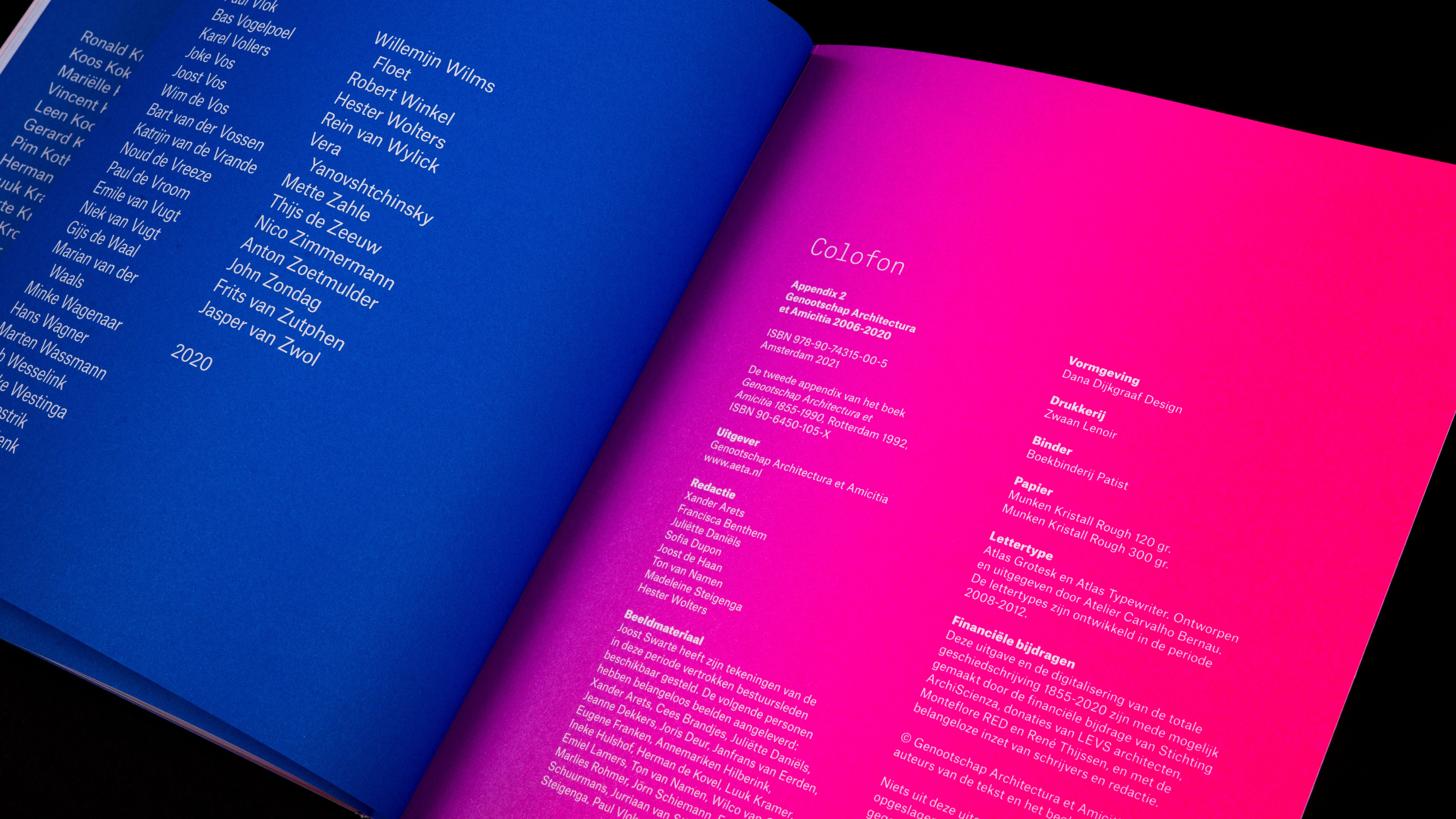
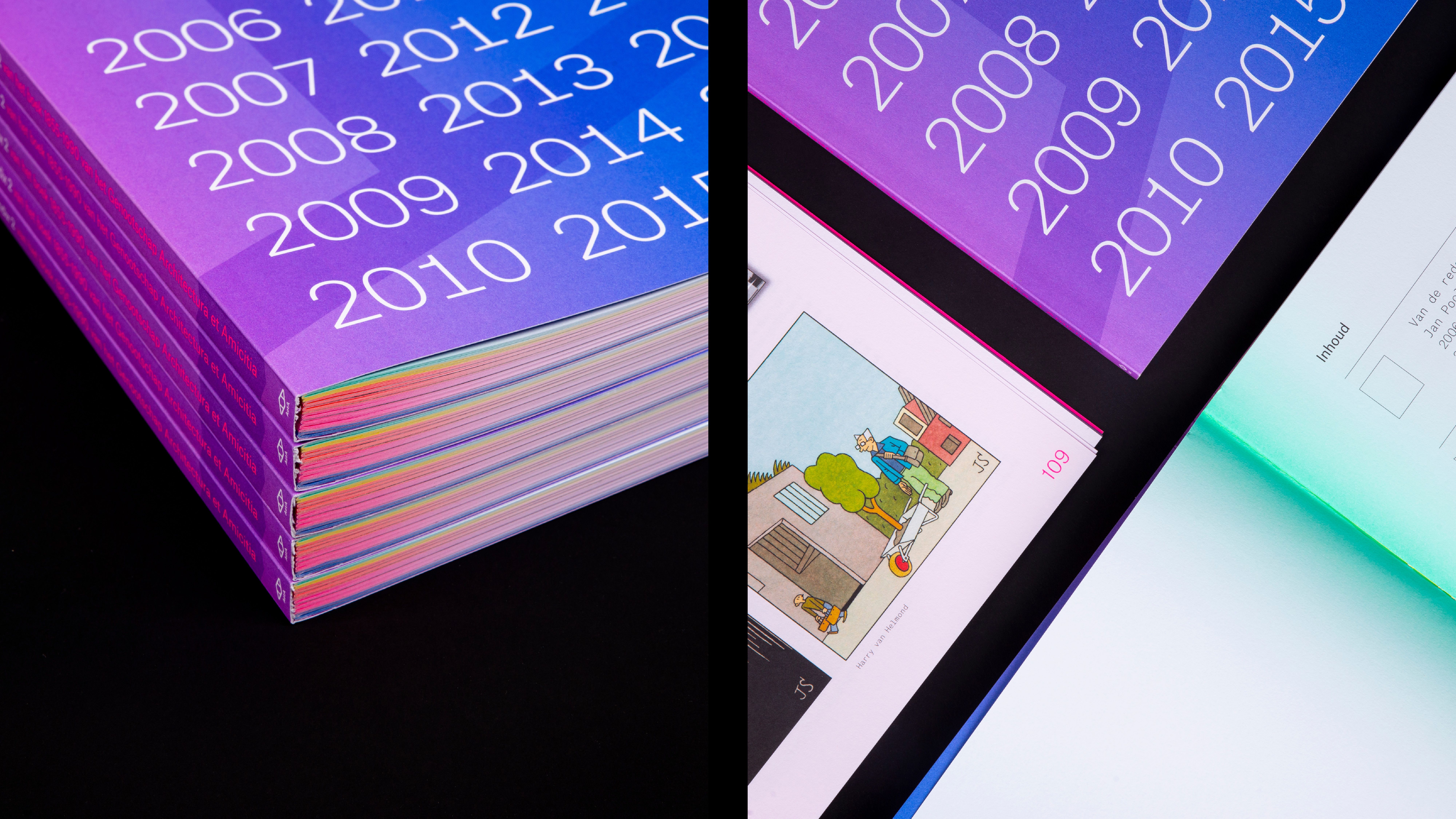
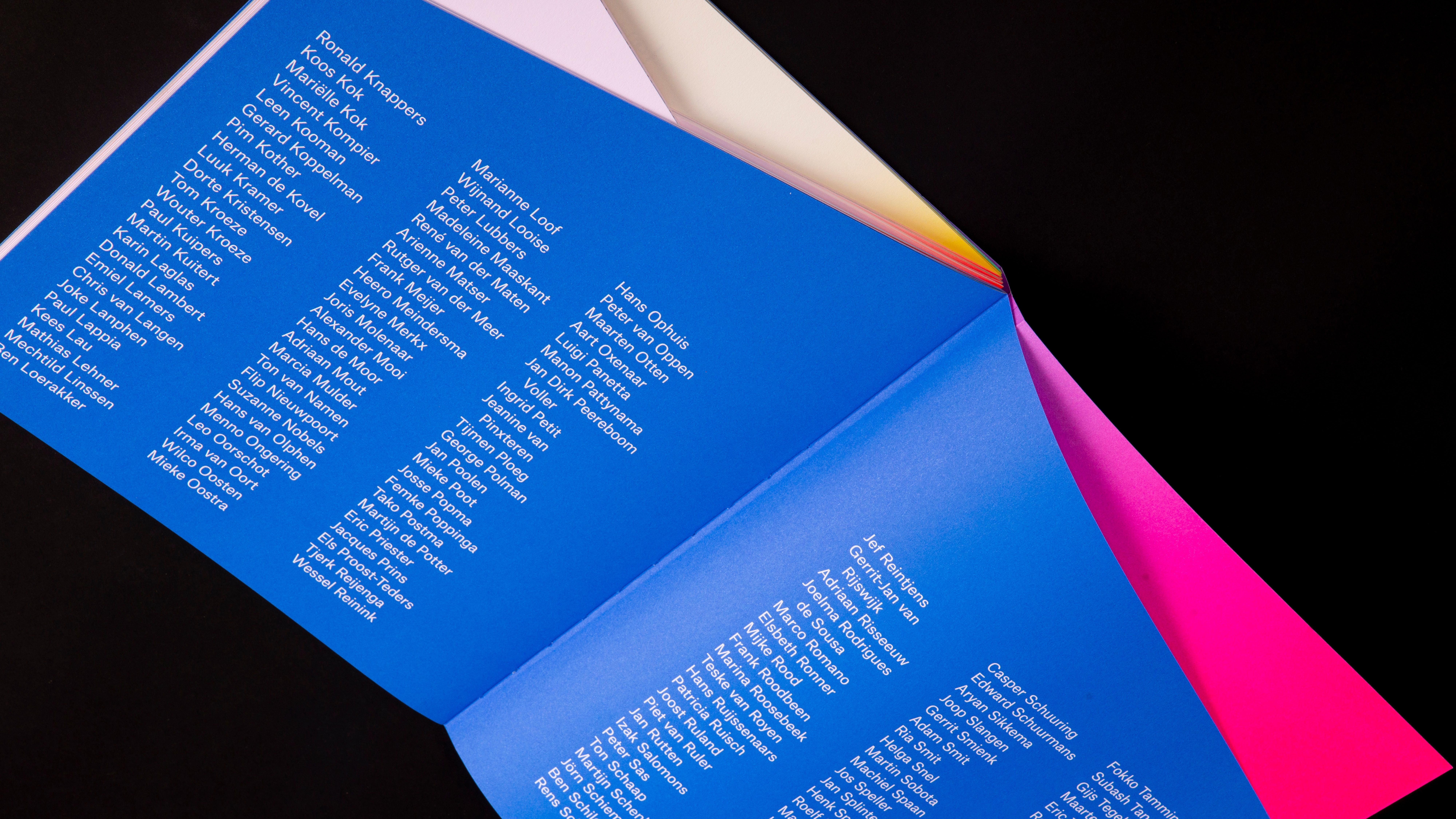
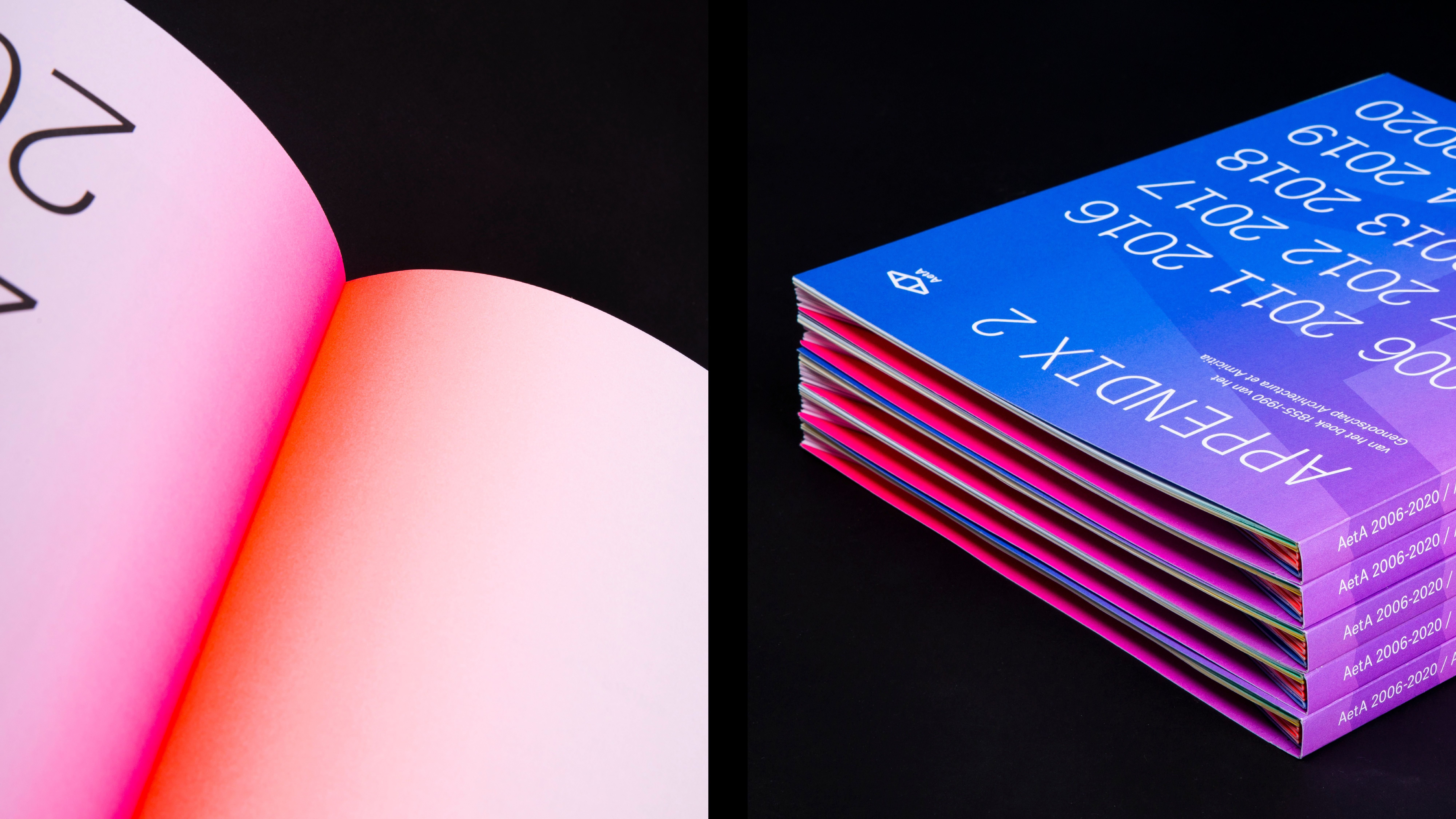
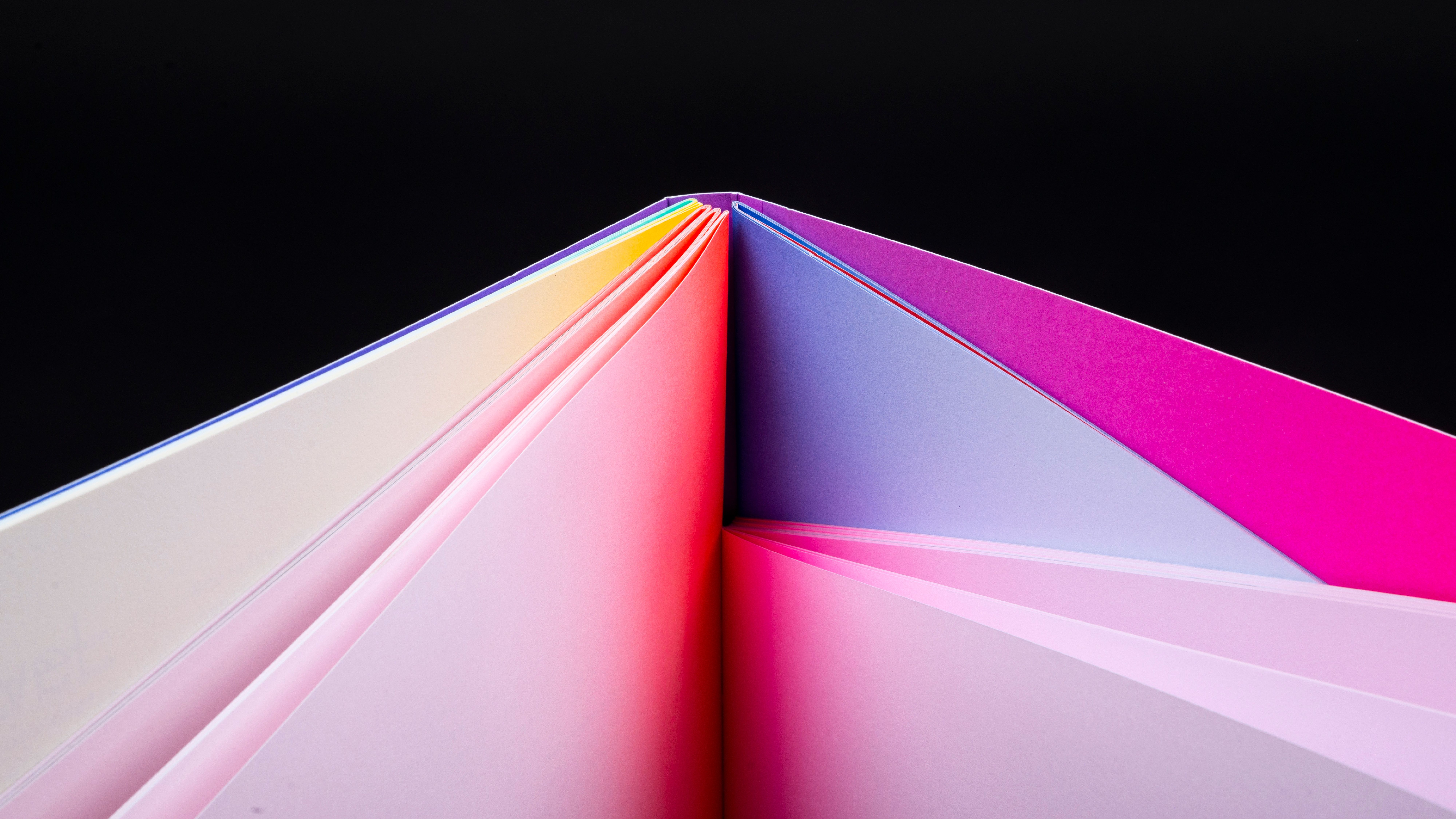
These different parts have been put together chronologically according to the years and divided into four parts. The book shows in word and design that architectural life has high peaks and deep valleys; from economic boom (2006-2007), to crisis and transformation (2008-2012), from recovery and new roles (2013-2019) to insecurity because of Covid 19 and looking forward (2020). These peaks and valleys are literally transformed into the shape of the book, each with a distinct color, which fades from a vibrant color in the middle of the book to a subtle pastel on the rest of the page. Just like an architect designs a building and architectural lines are arising in a landscape, the design of the book creates changing compositions of form and color in the book. Next to the fact that the concept fits the course of the story, it also fits with the association - in which the combination of looking and reflecting on architecture plays an important role. When you flip through the book, a changing play of shapes of depth, geometric surfaces and changing colors are passing before your eyes.
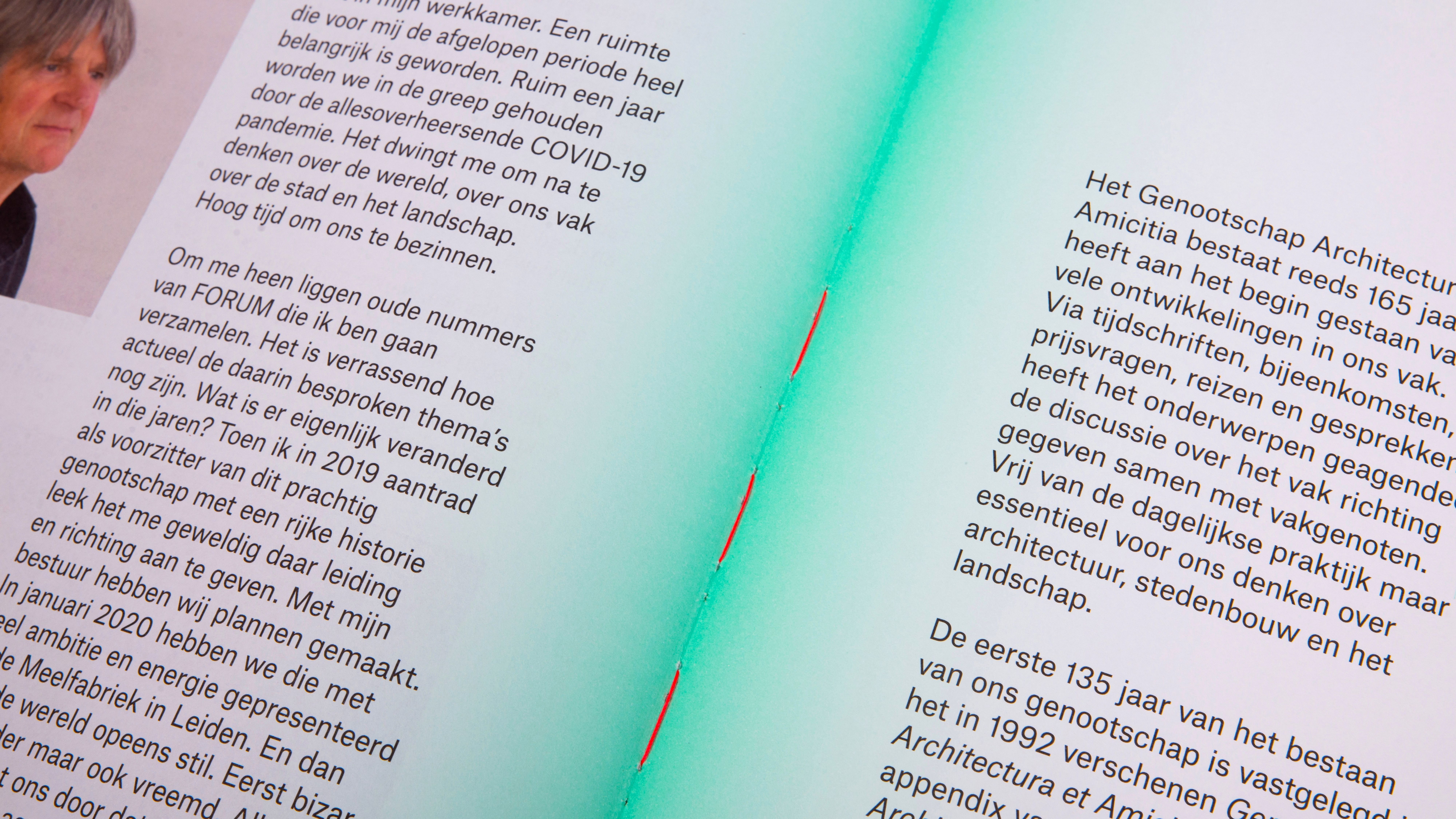
The book is printed in full color (CMYK) and 4 pantone inks. Furthermore, 3 of the 5 parts of the inside of the book are cut obliquely, resulting in distinctly varying three-dimensional compositions throughout the book where color and form play together. The book is then bound with a Swiss binding method with fluorine red-orange yarn. Without the exceptional efforts of Bindery Patist and printer Zwaan Lenoir, this special production would not have been possible.
Credits