Museo Gypsotheca Antonio Canova
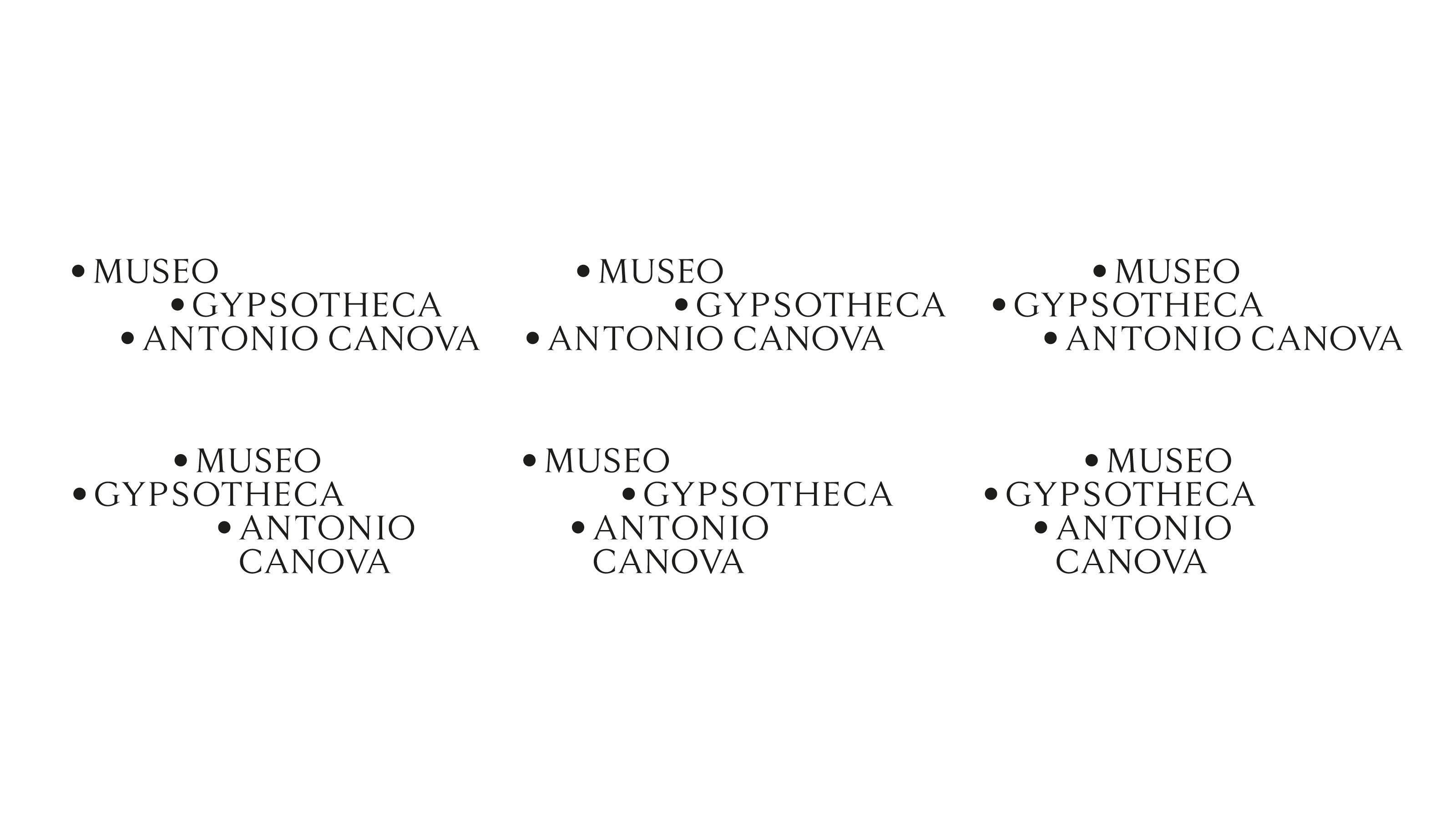
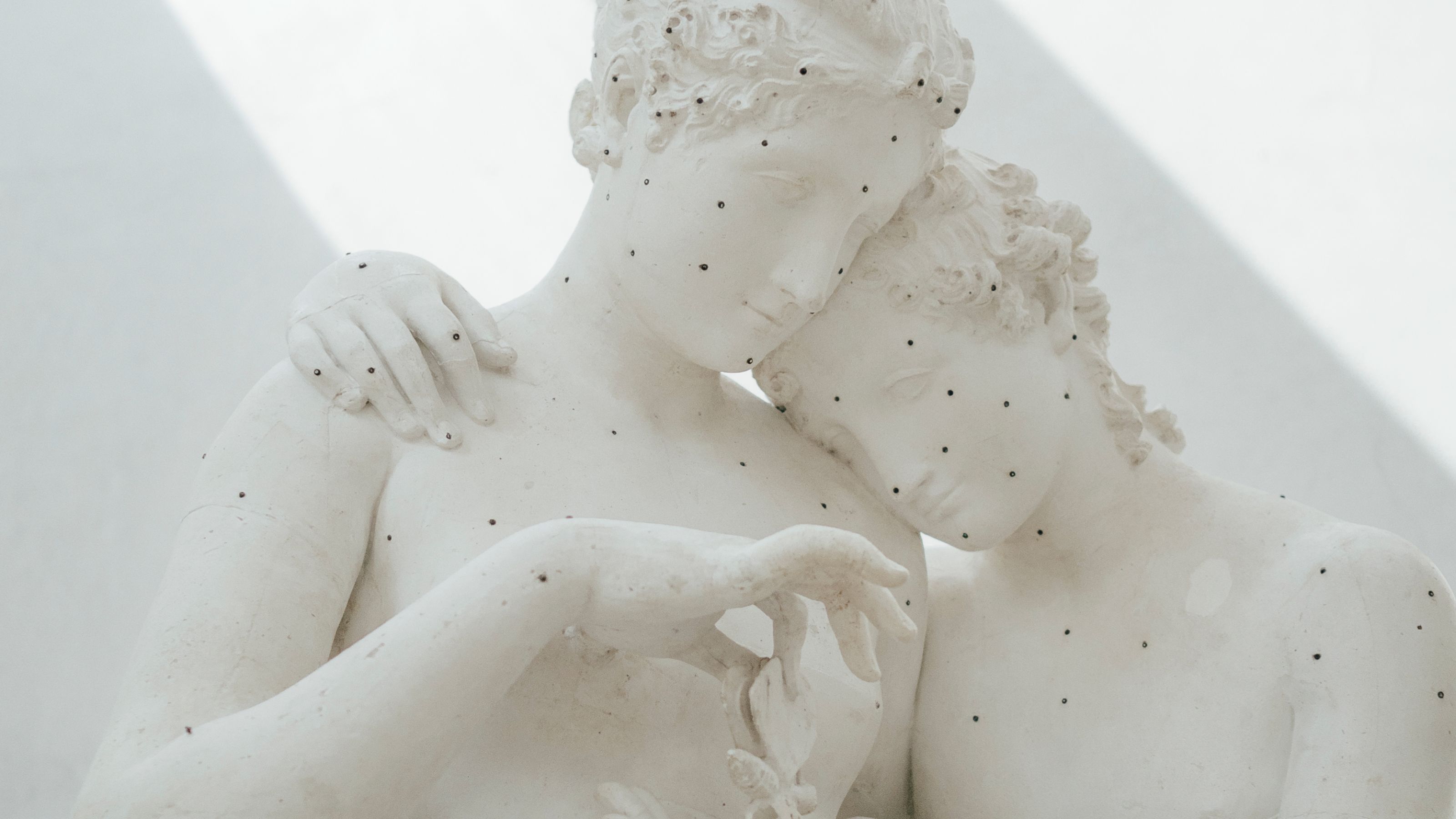
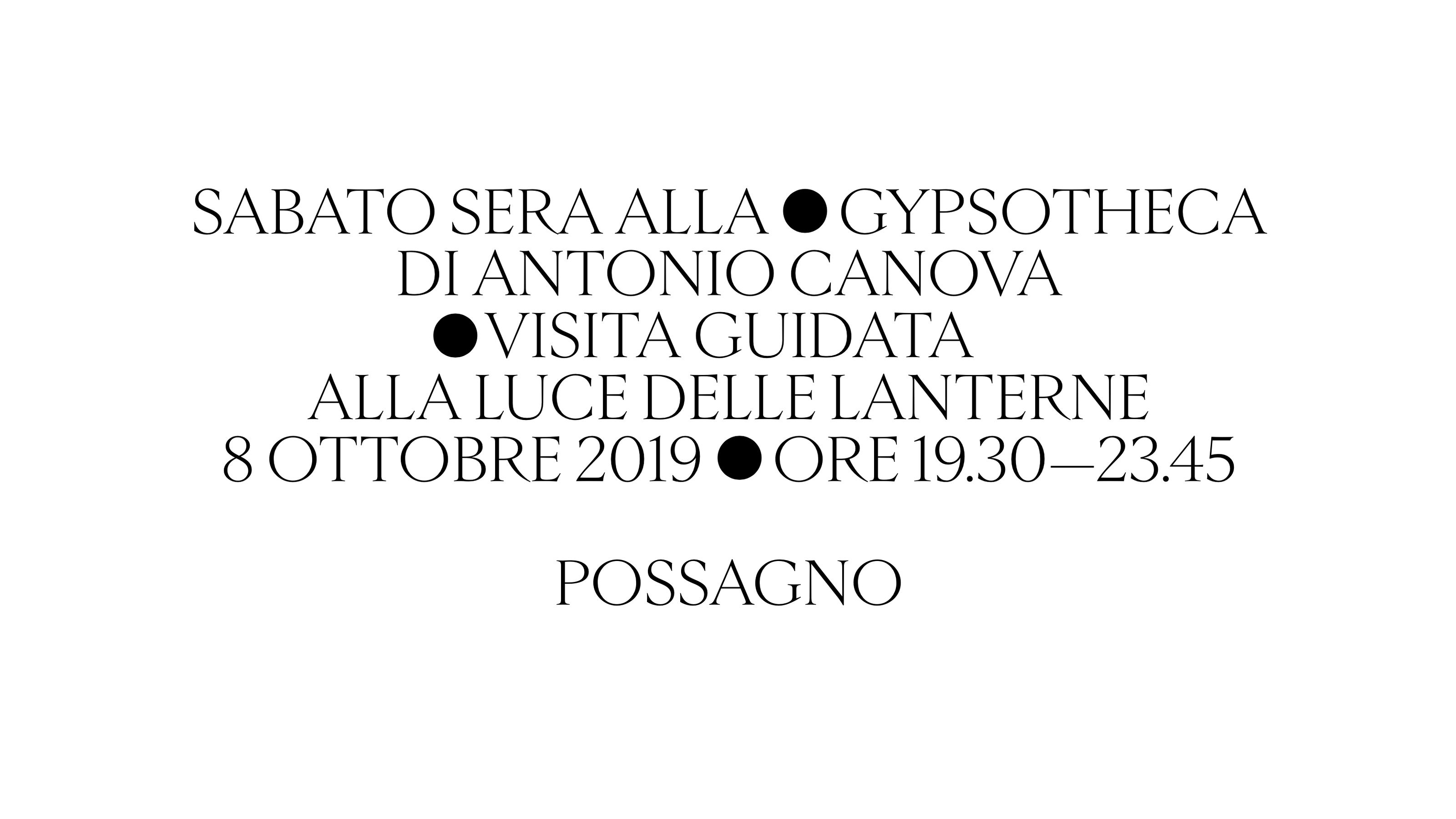
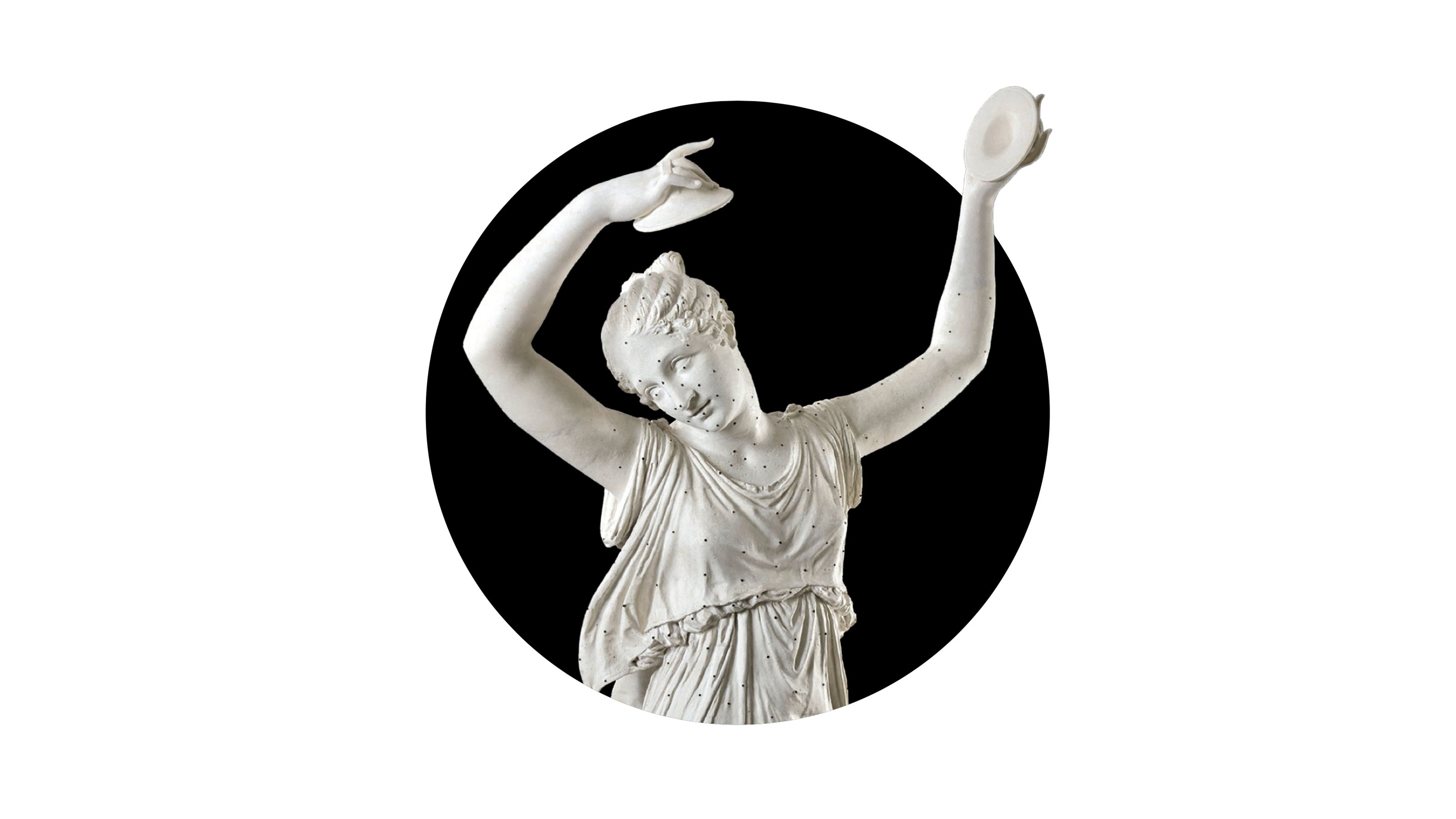
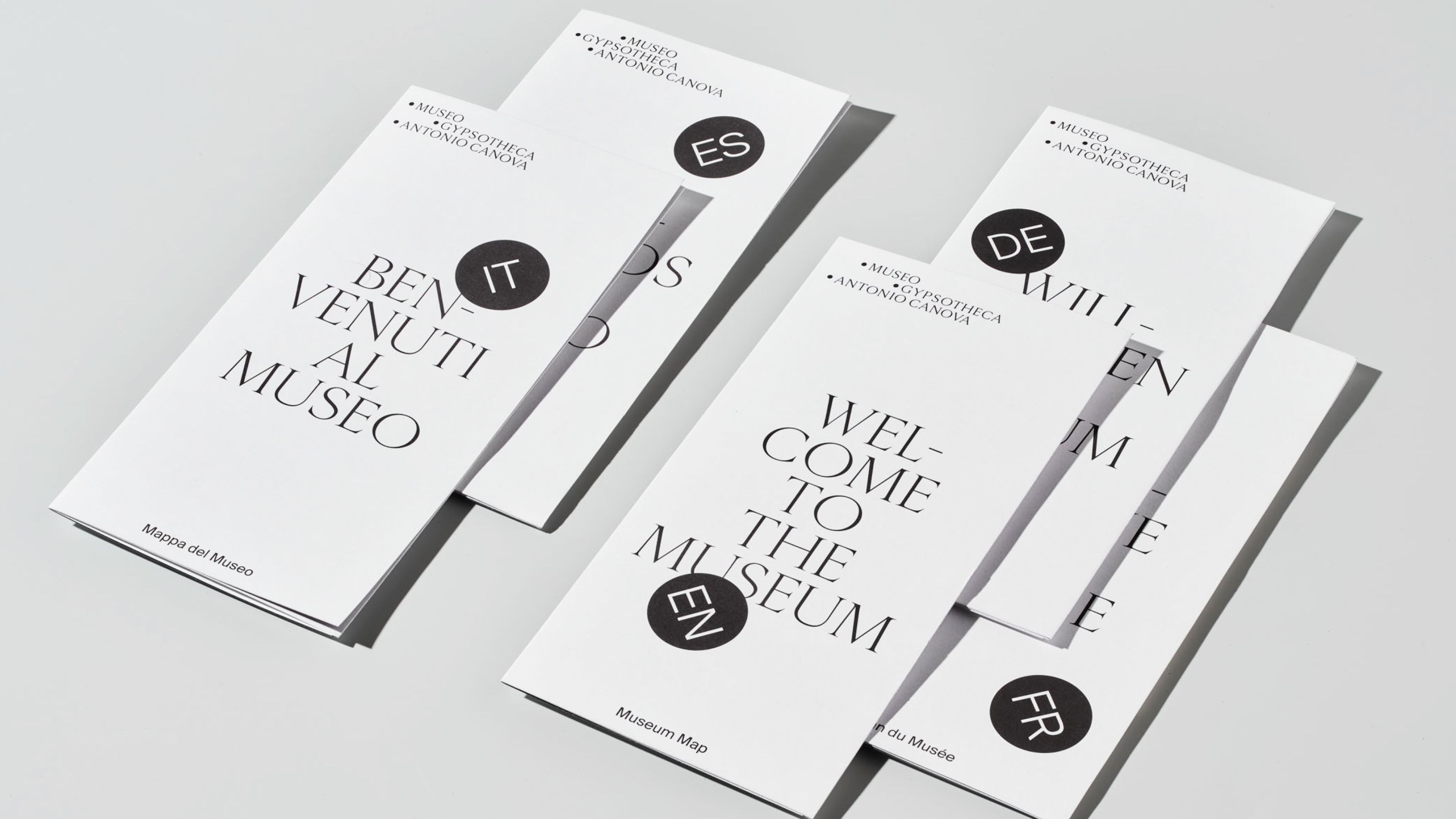
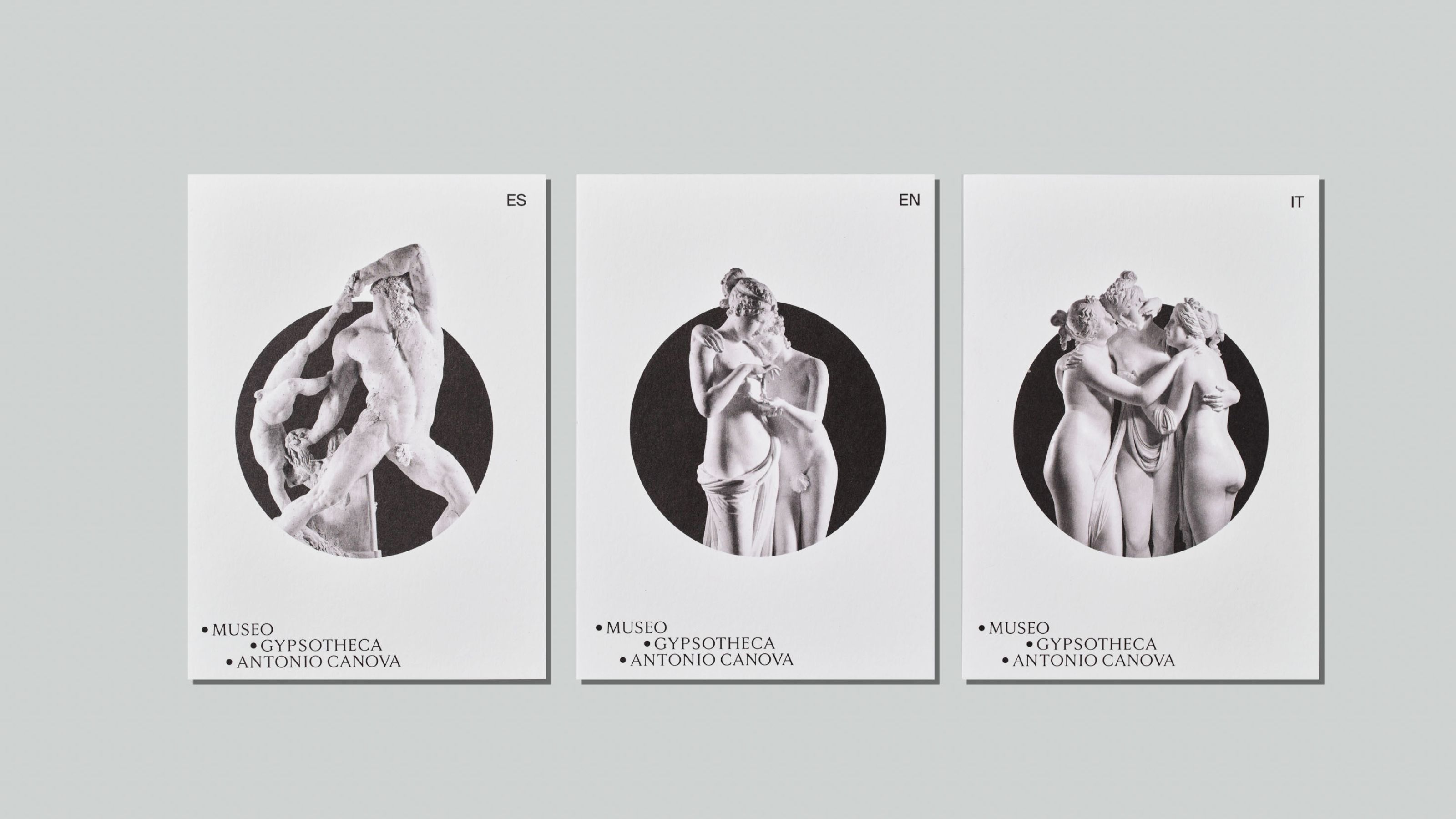
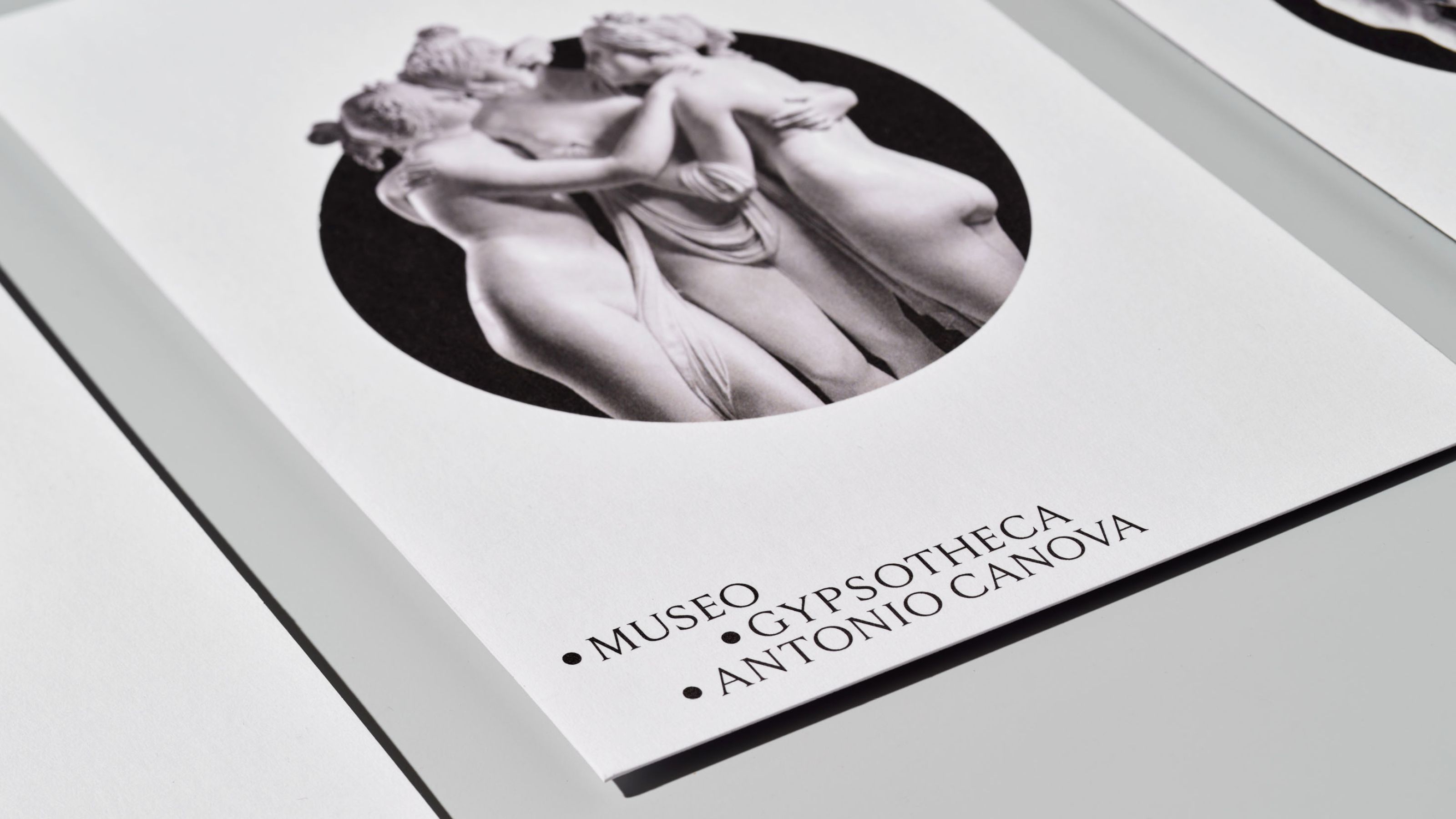
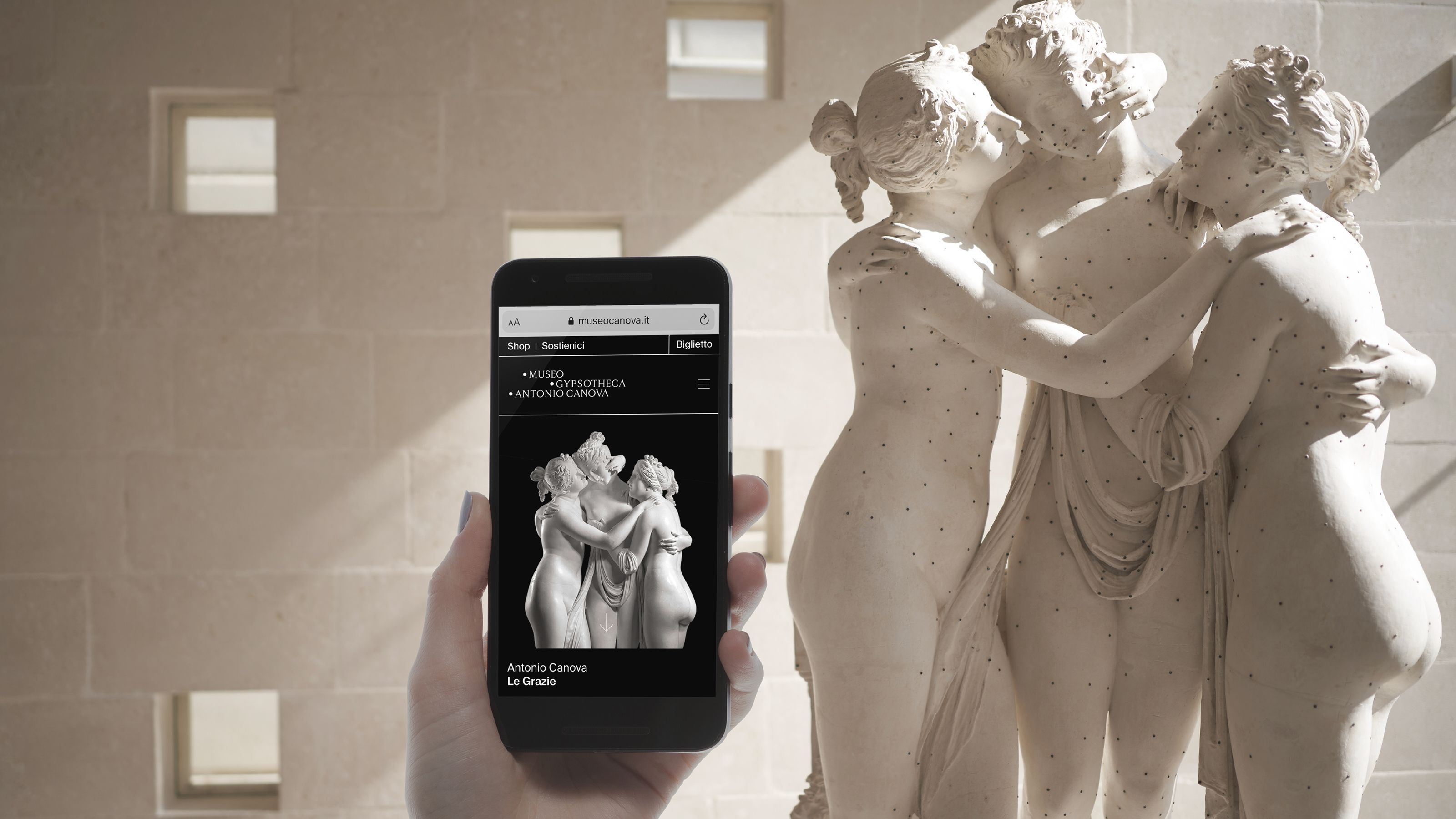
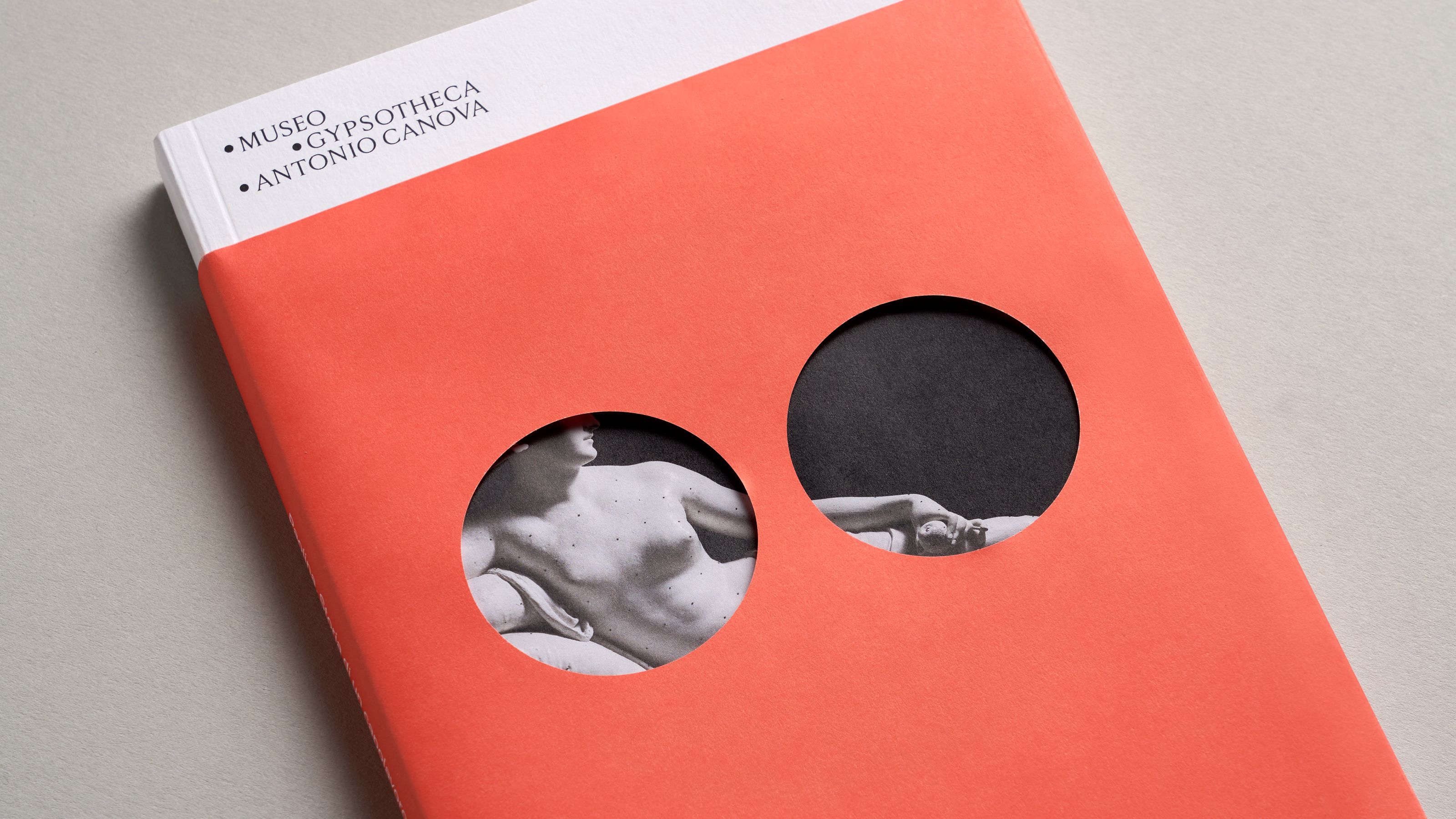
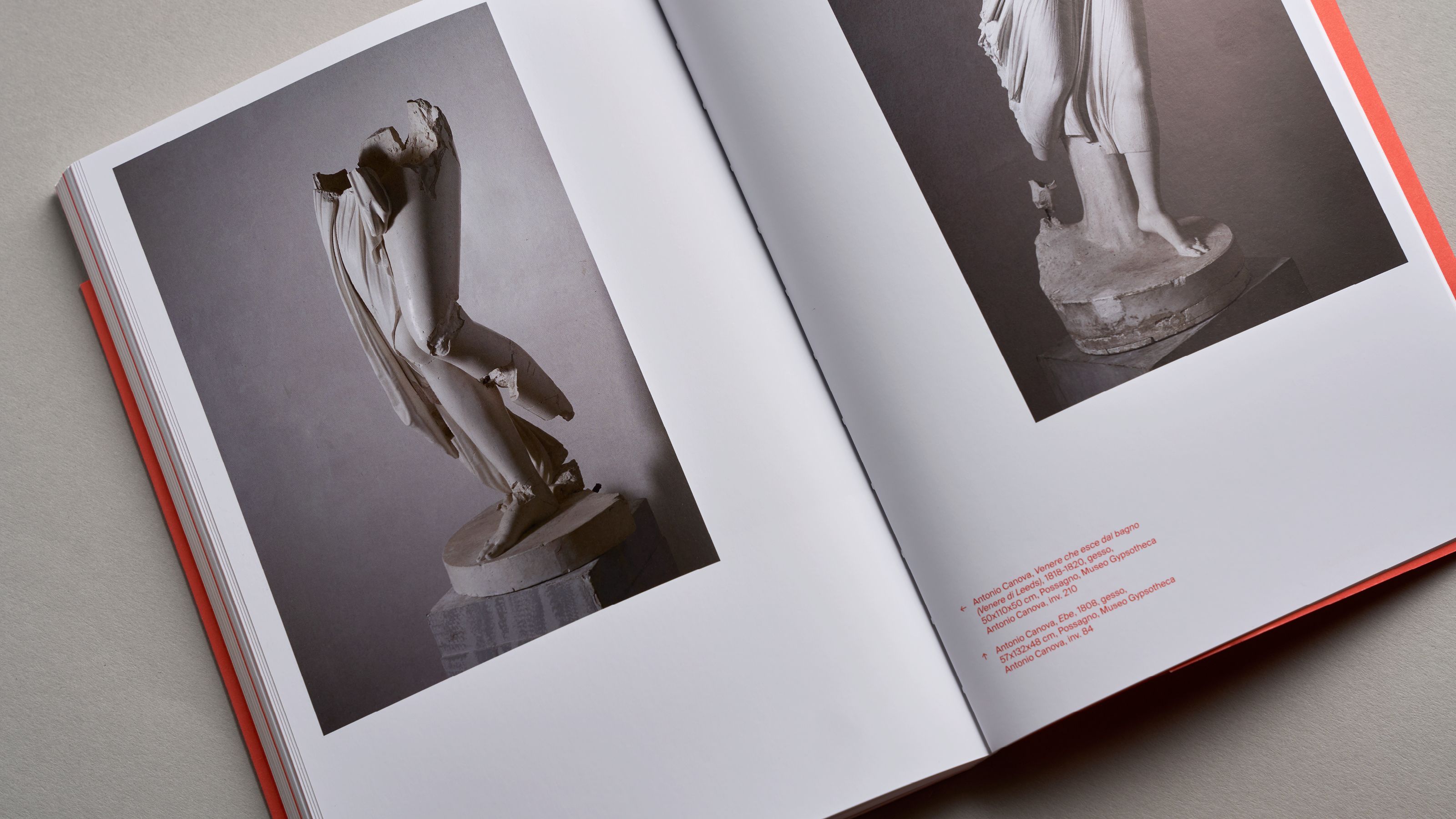
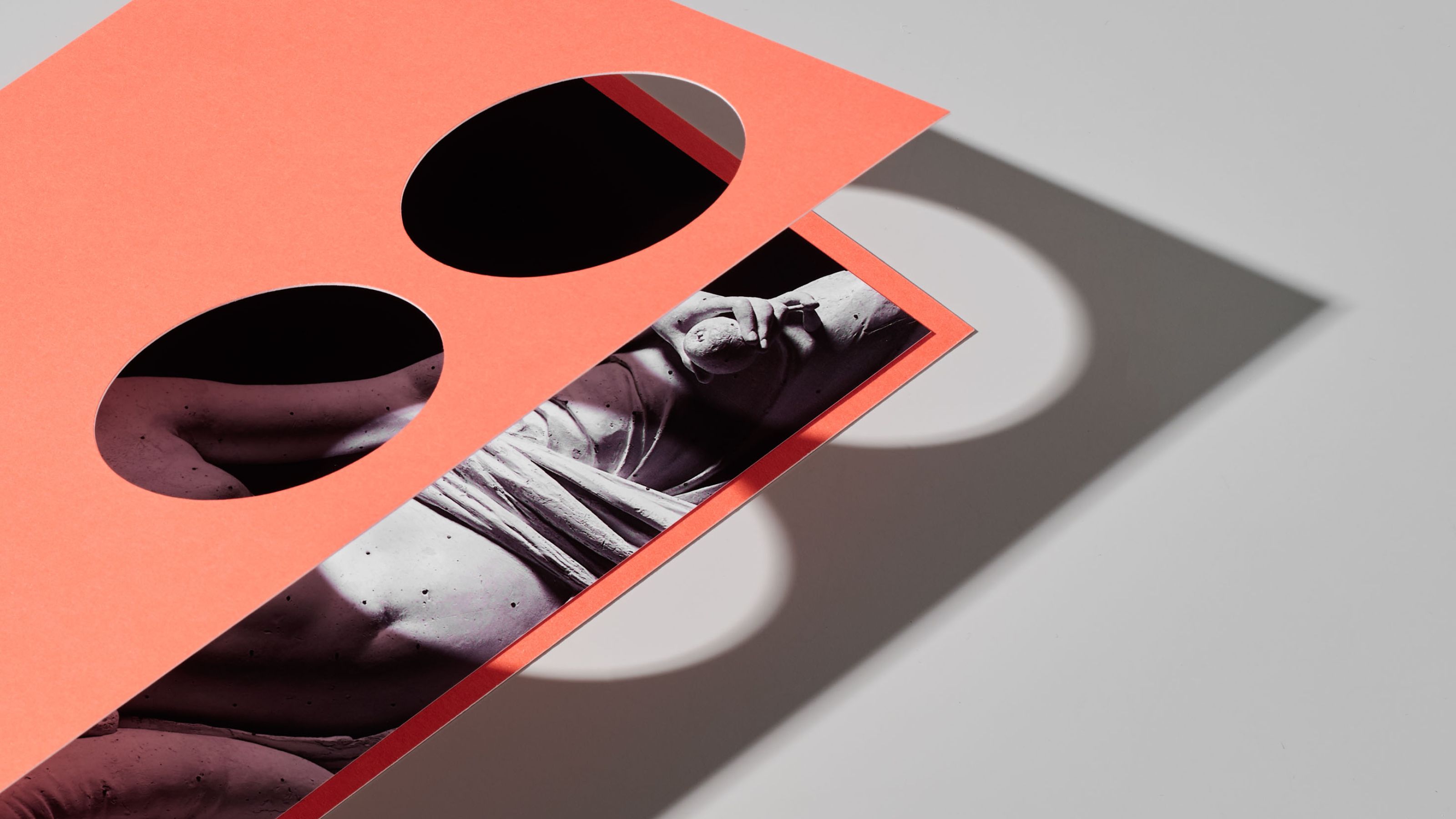
The Museum Gypsotheca Antonio Canova in Possagno - Italy - preserves the historical and artistic heritage of Antonio Canova, the greatest sculptor of Neoclassical period. On the occasion of the bicentenary of the artist's death in 2022, the new visual identity of the museum was presented in all the on and off-line communication media. The name of the museum is due to the fact that it preserves the gypsum models, the true original works by the artist. As a matter of fact, the sculptor used these gypsum models mapped with the "repere" (black dots) to carve the marble works, currently exhibited in the most important museums in the world. As the black pins of the repere are set in the white of the gypsum, so the new logo uses these circular shapes placed on a white background creating arrangements that underlie the geometric harmony inherent in the artist's work.
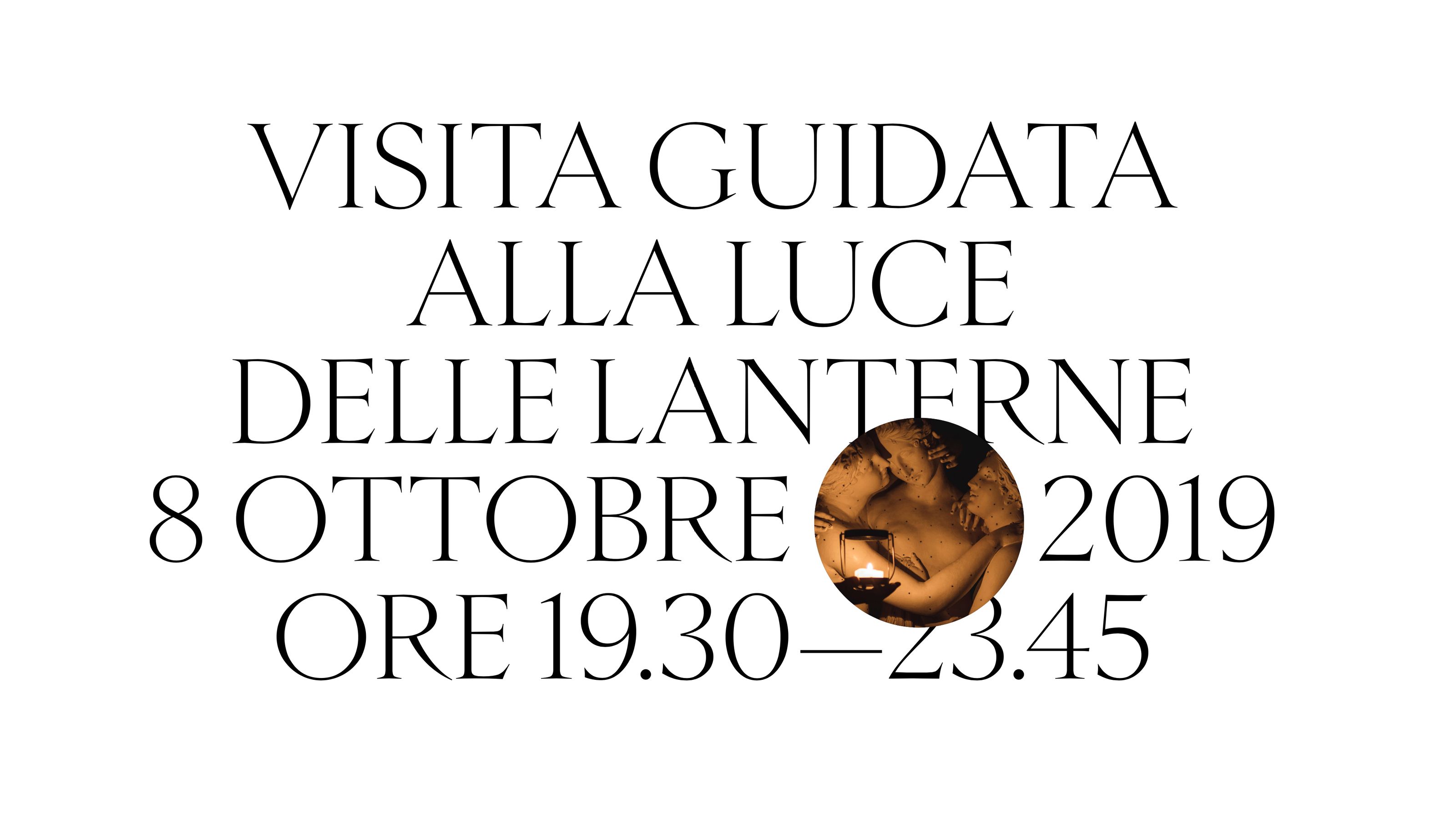
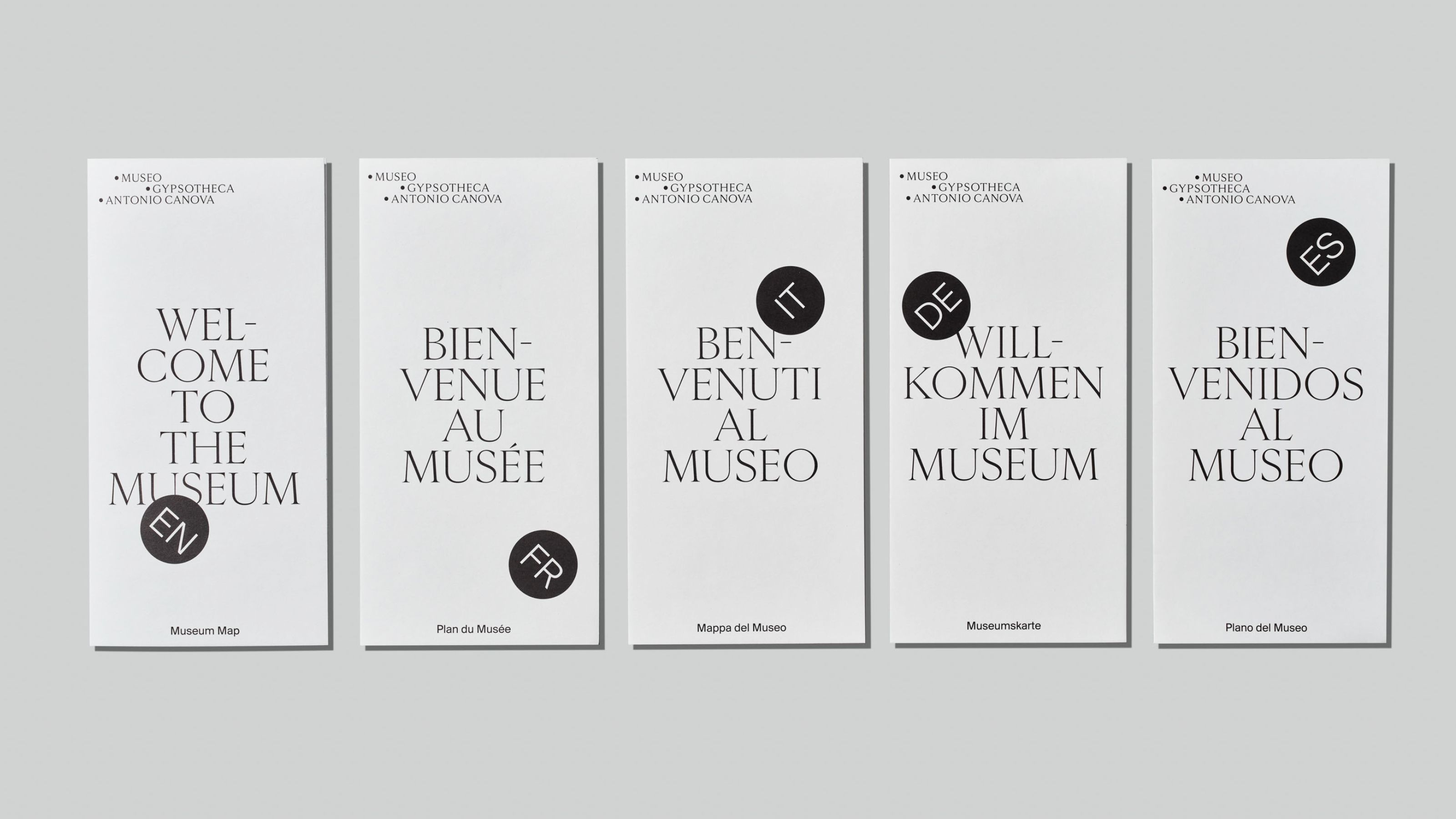
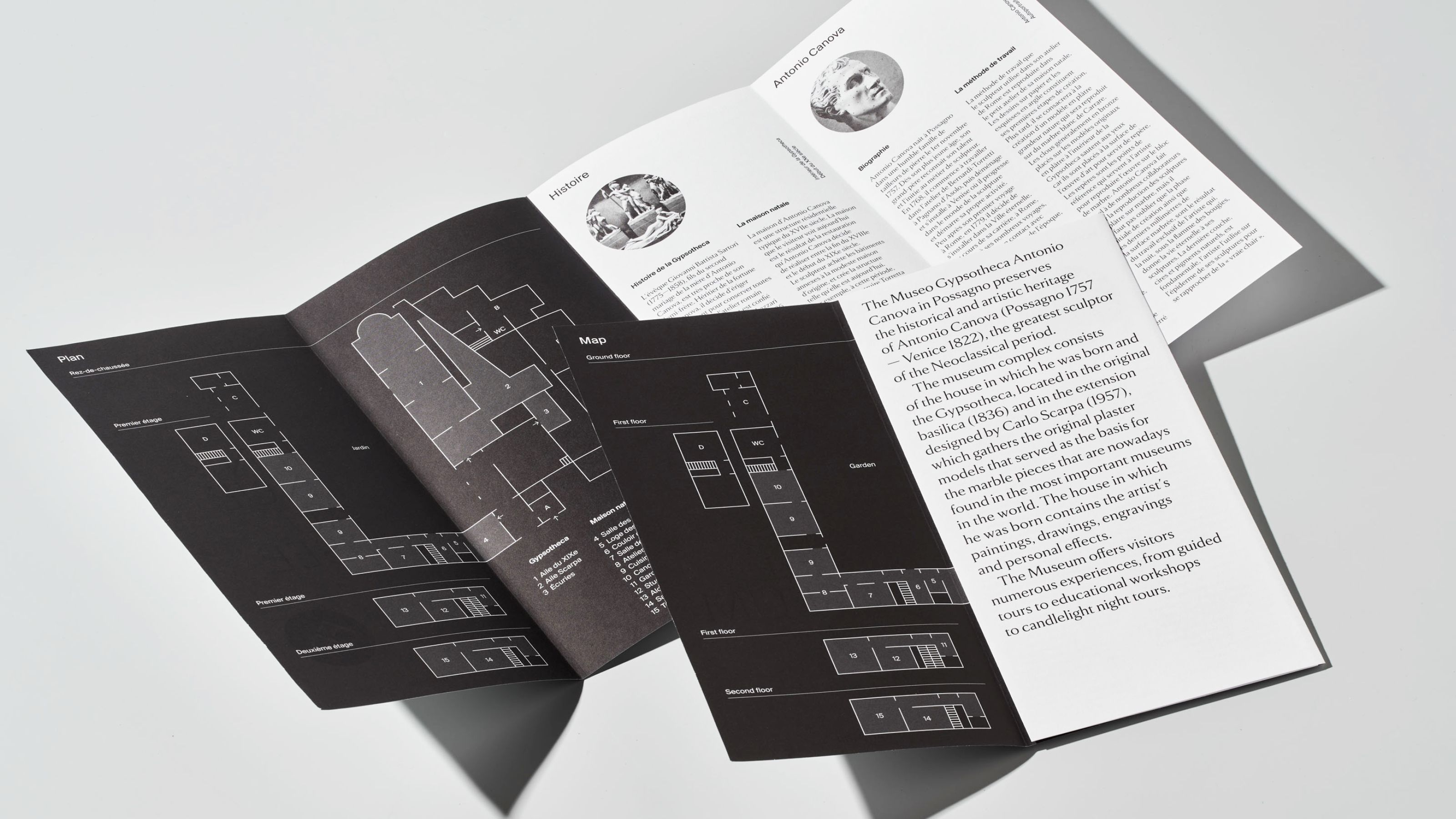
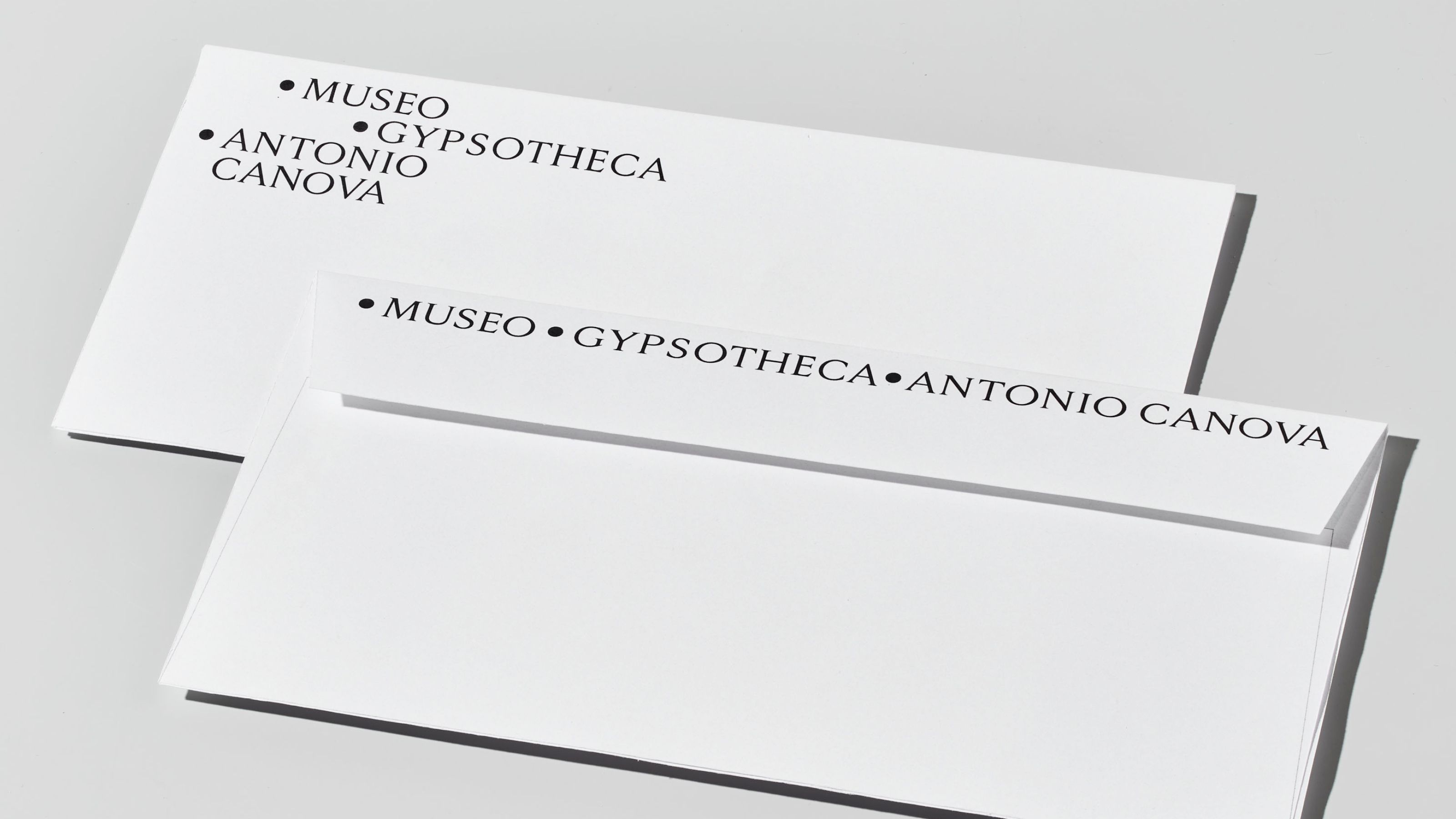
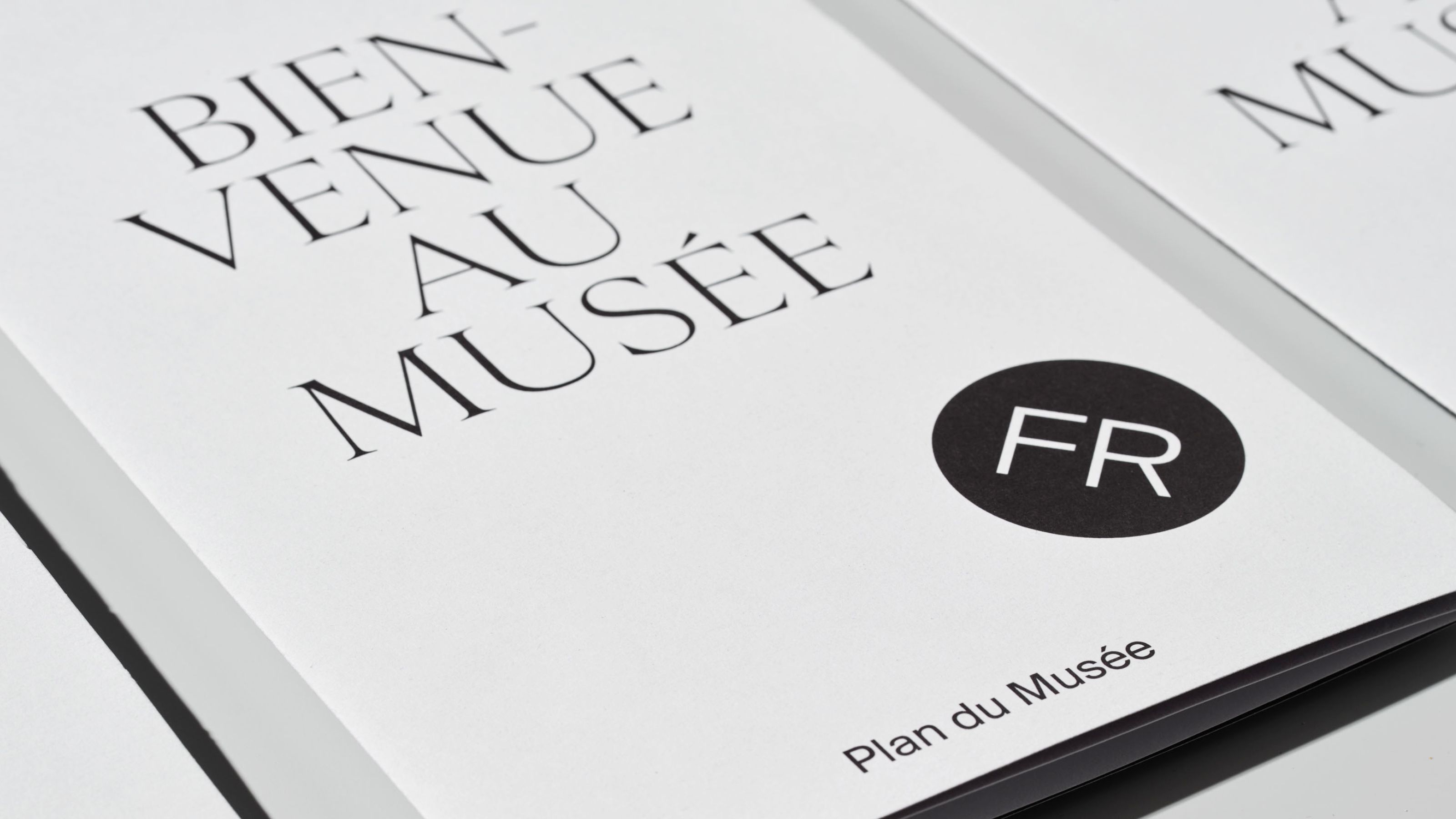
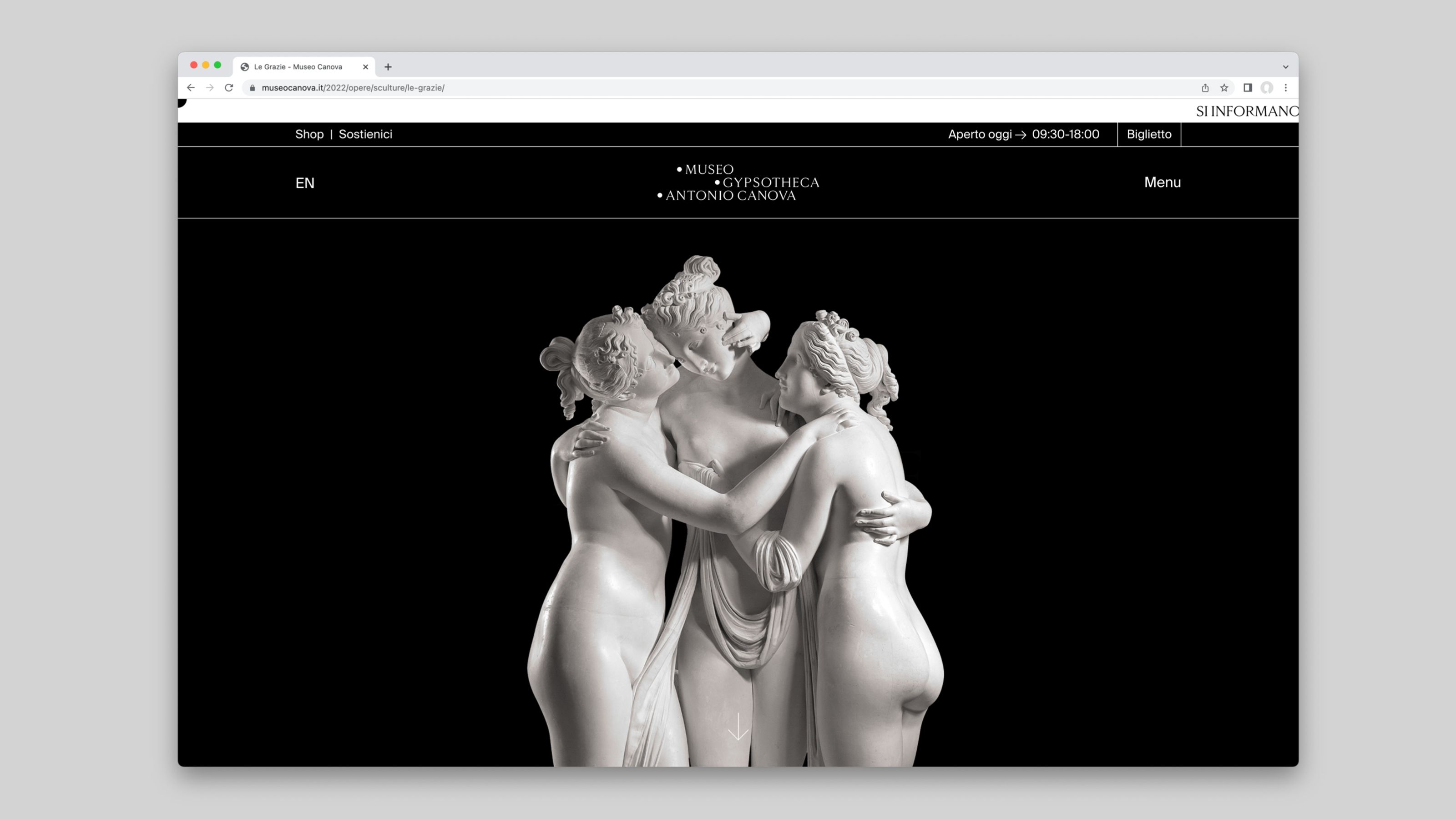
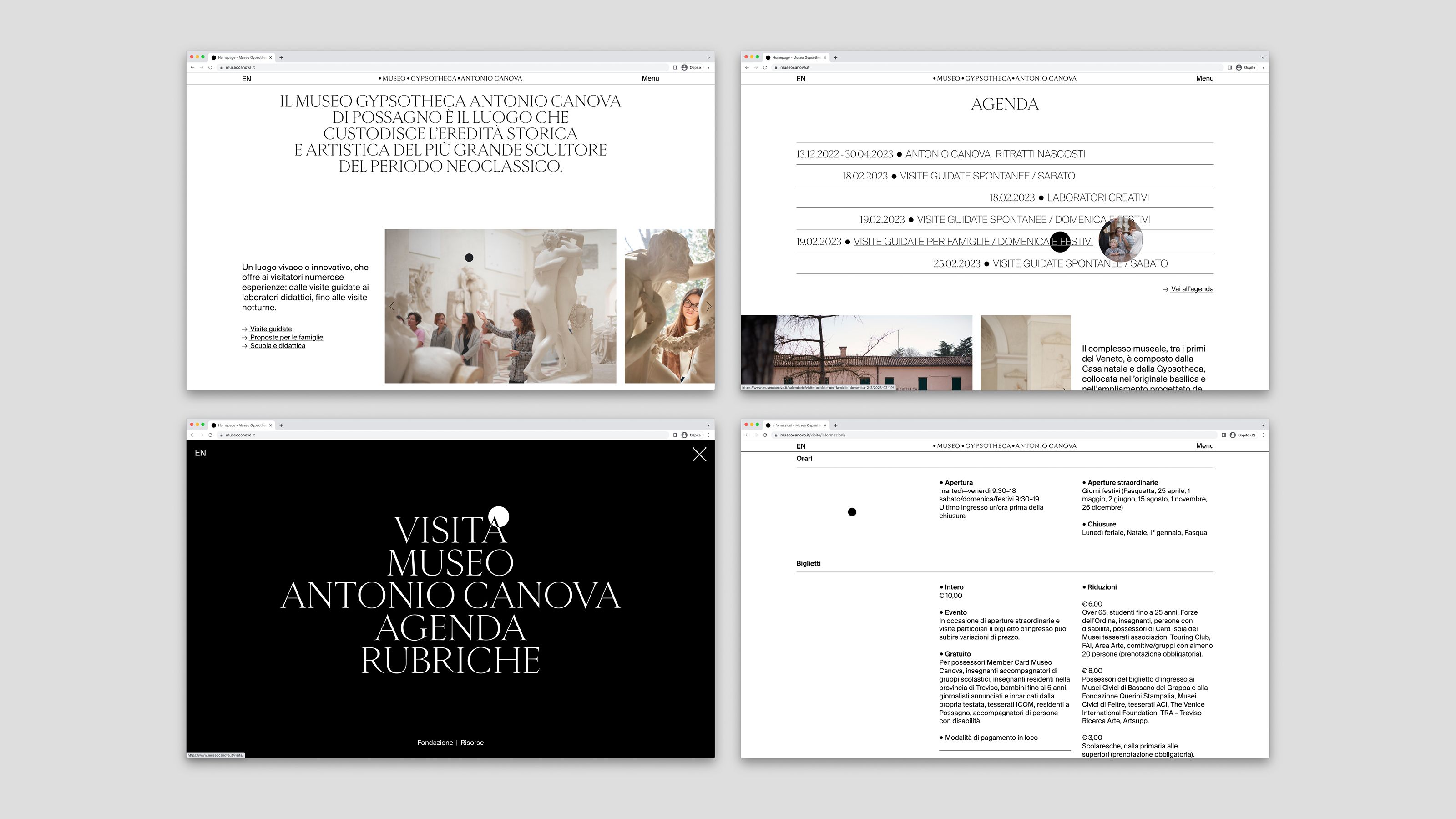
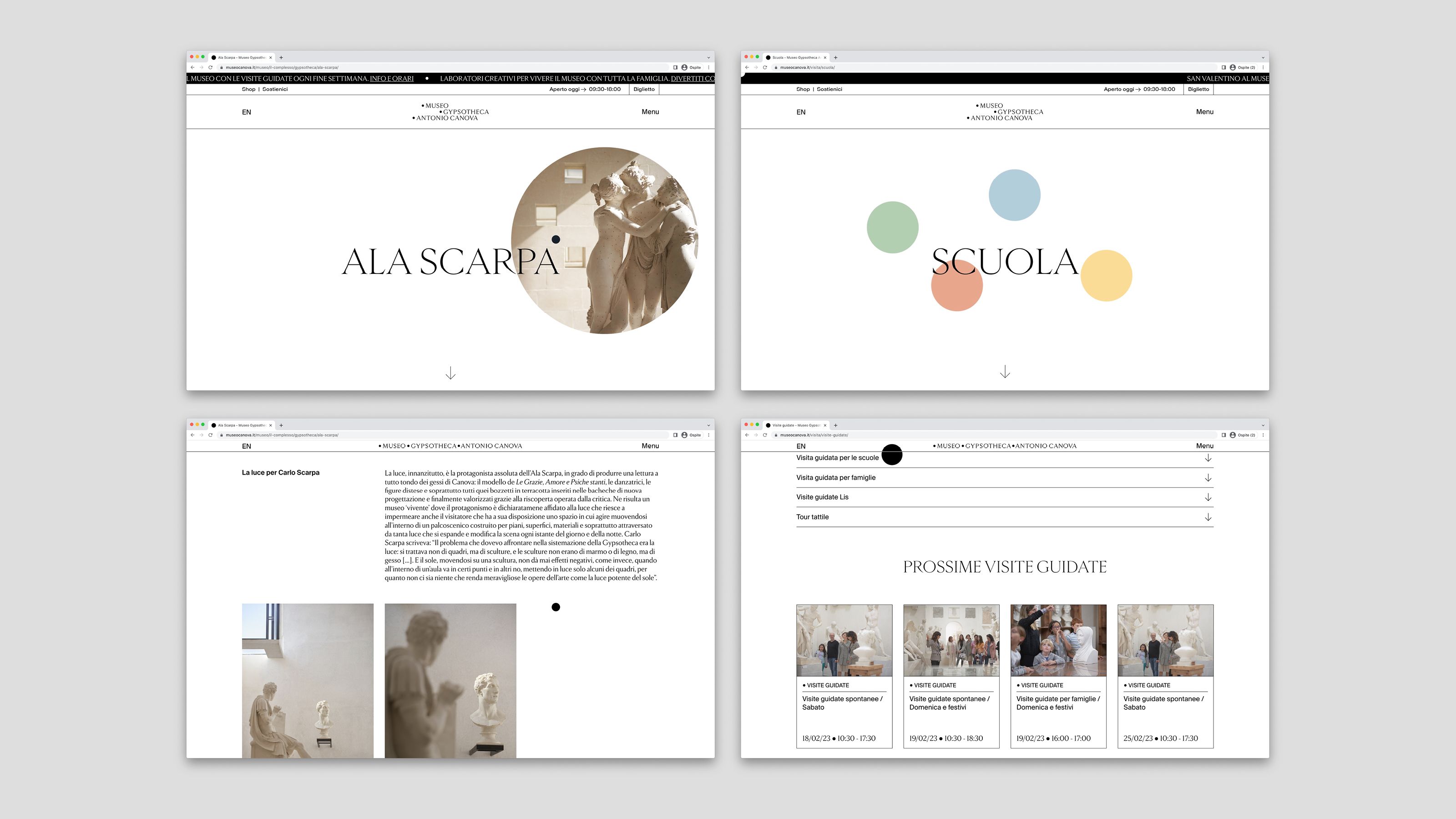
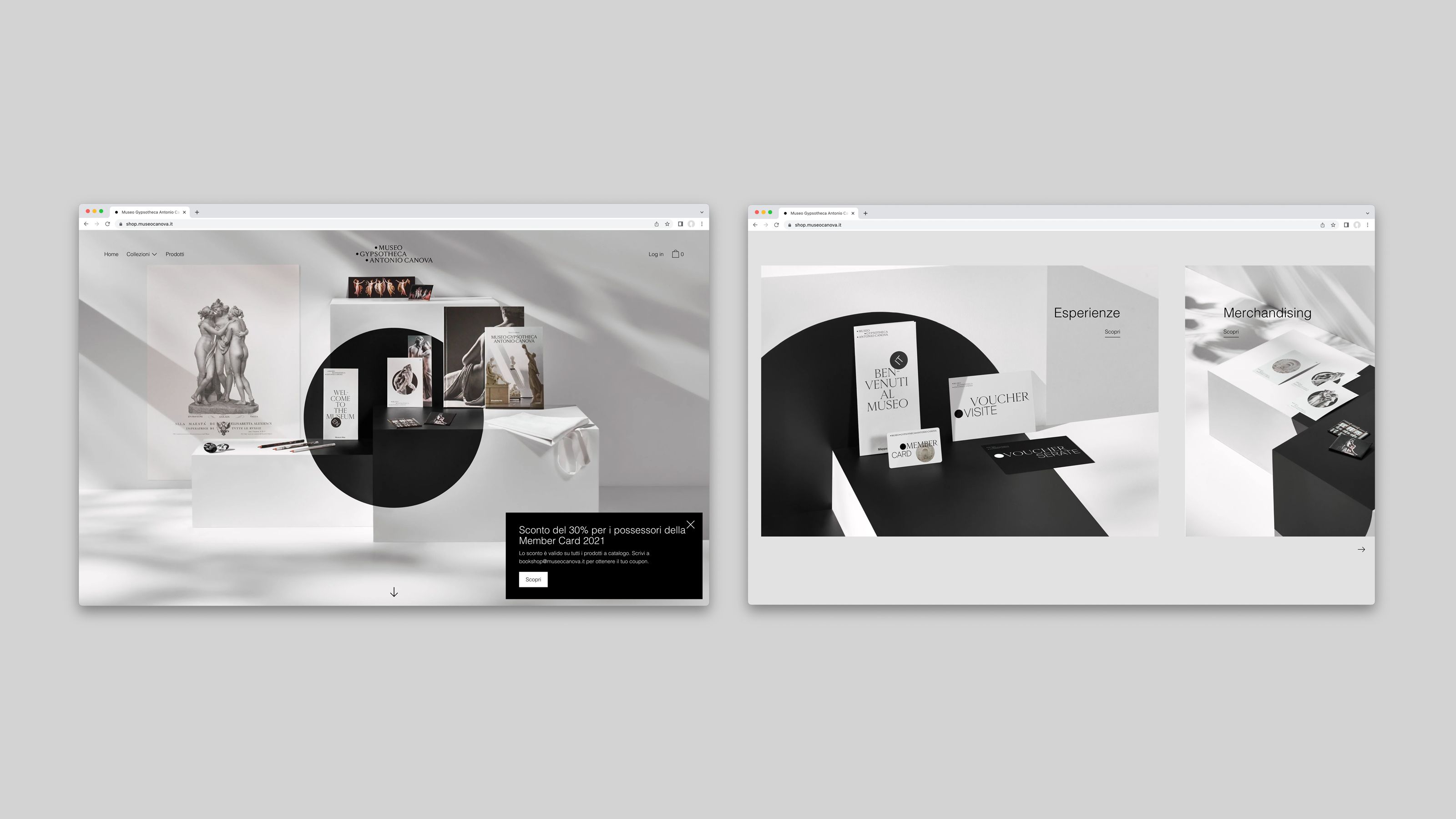
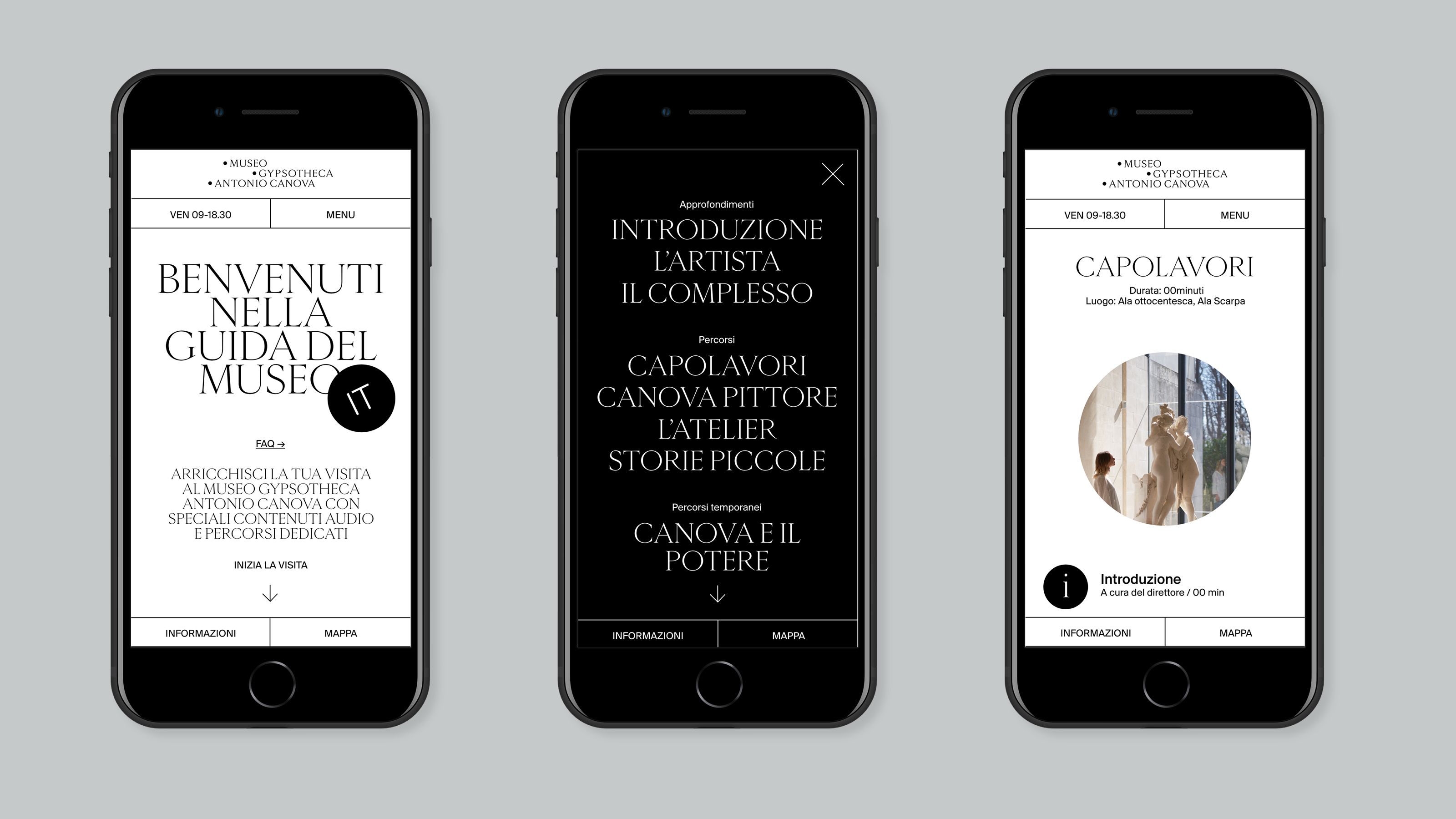
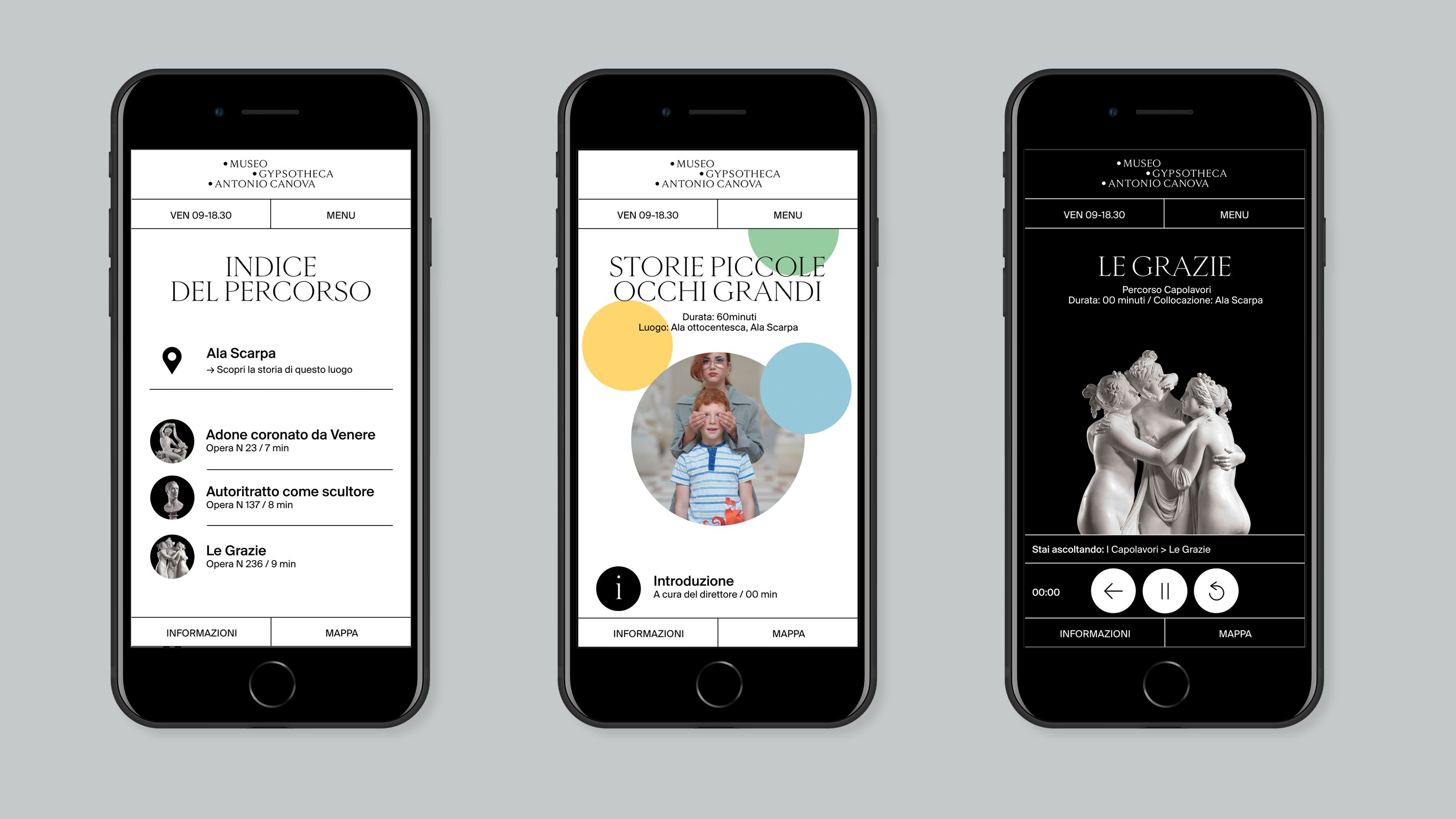
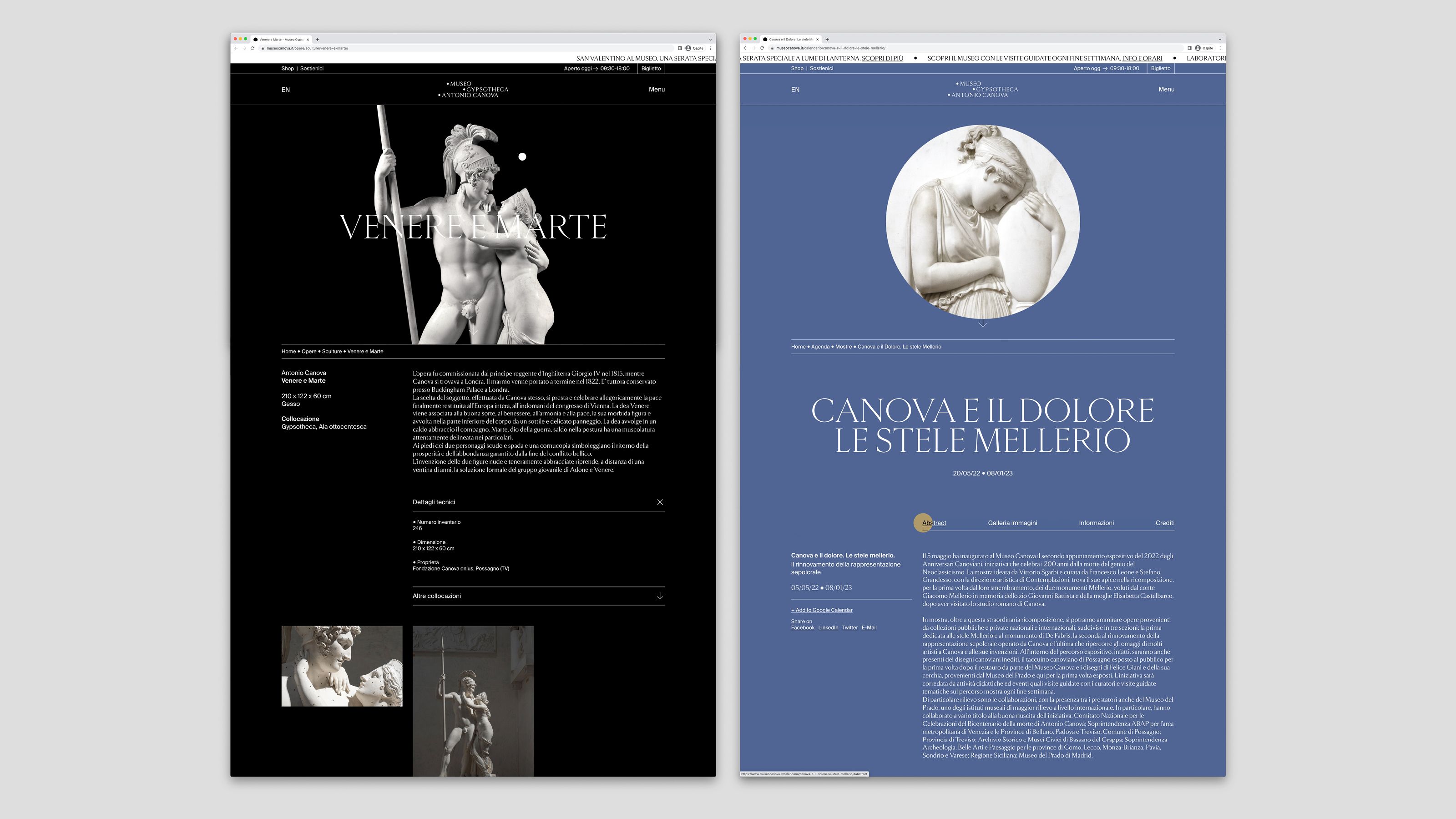
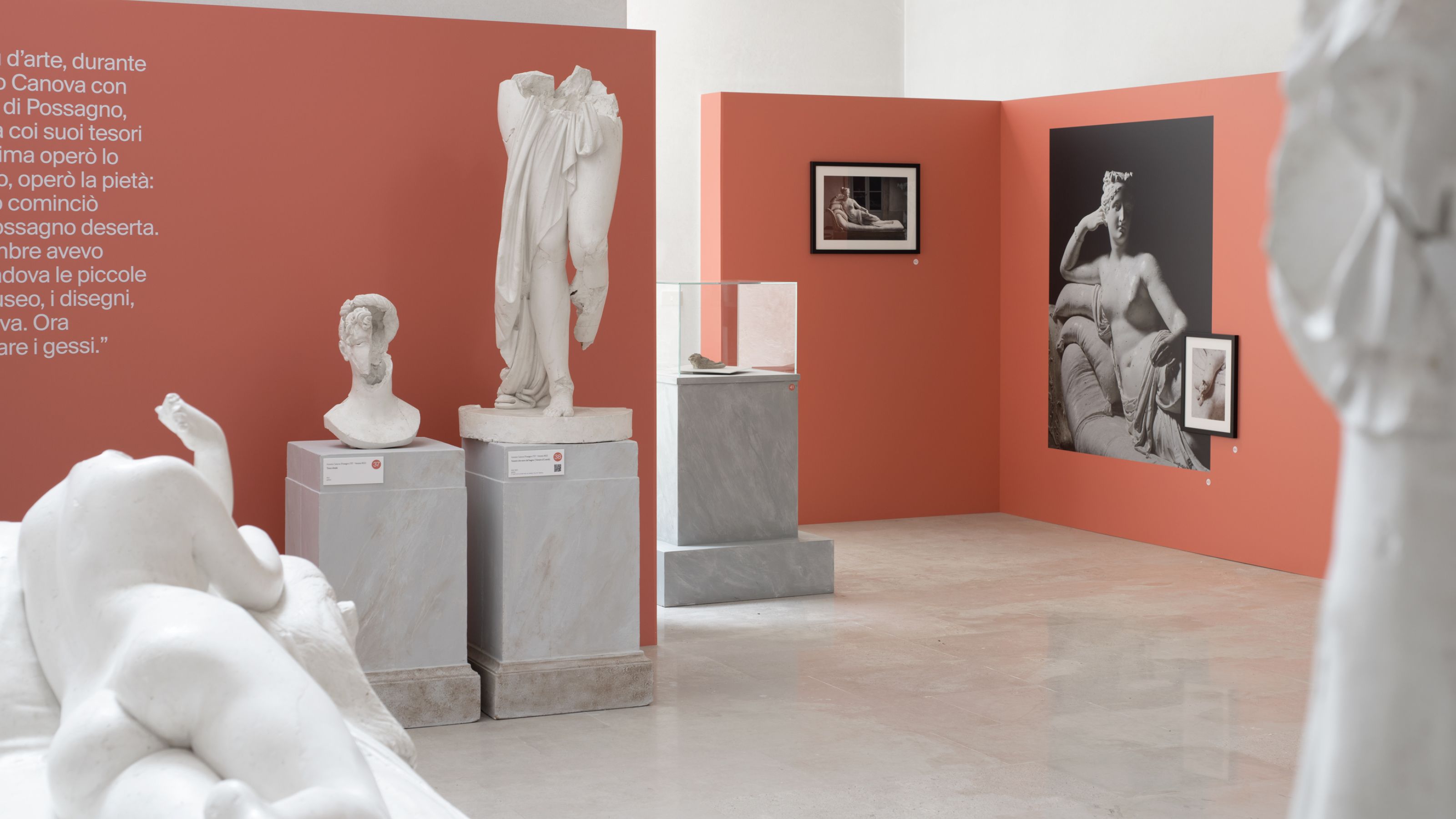
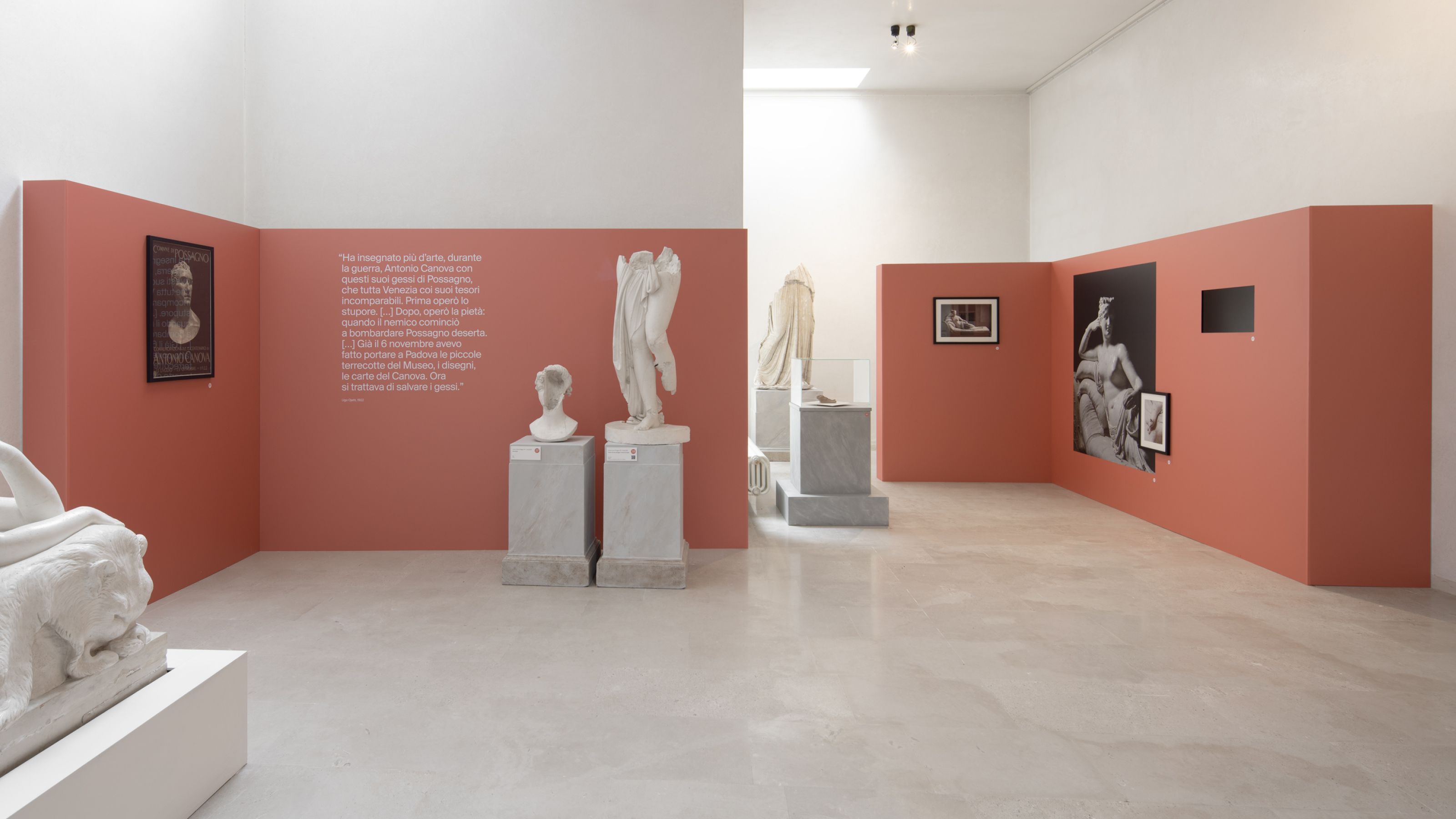
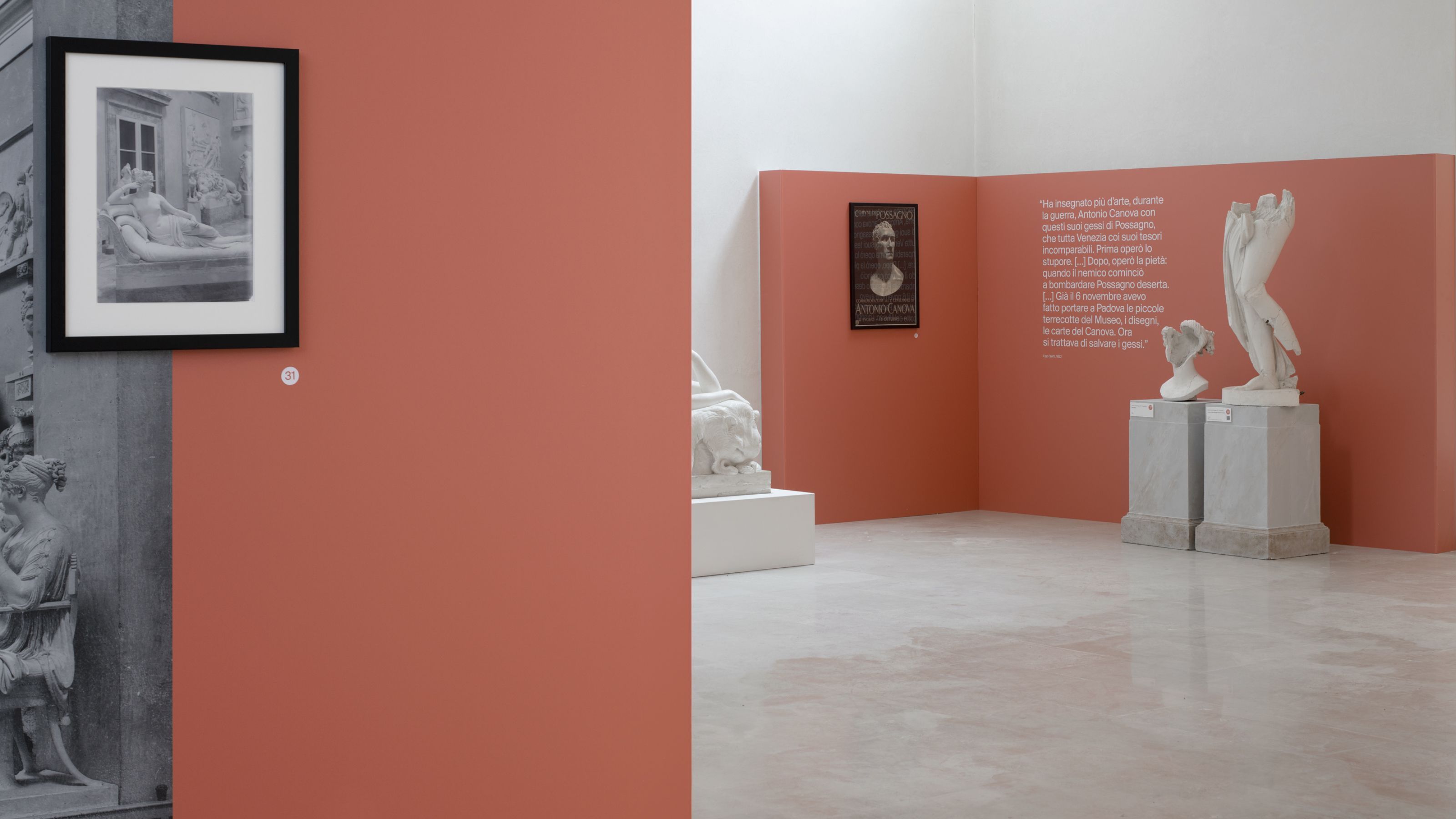
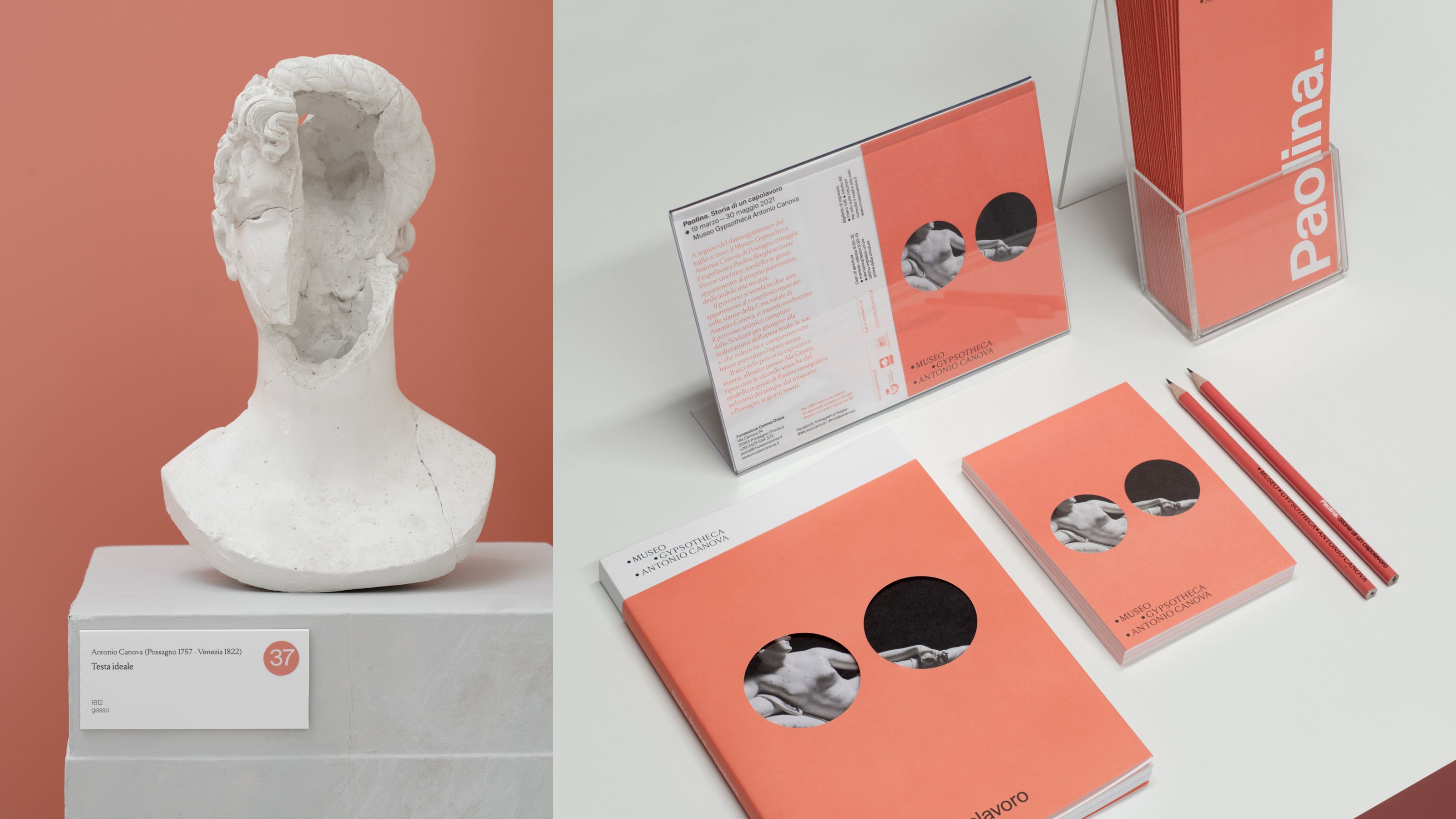
The identity has been applied to the exhibition space of the museum and to all the new promotional materials in which the black dot has become the common thread that guides the visitor to discover the universe of the Italian artist: from background it becomes spotlight, from functional element it becomes the central guide, the protagonist of the various materials. On the occasion of the important anniversary, the new website coherent with the new museum identity was launched. The images and the video created for the development of the project produce a coordinated system with the identity. The e-commerce present on the site was created to develop an opportunity for economic sustainability for the museum in addition to the physical visits, giving to the people the opportunity to purchase museum products even if they do not visit it. The shooting if the products catalog was conceived and realized in perfect continuity with the project of the graphic identity. To ensure greater accessibility to the public, in line with the project of the new site, a web-app has been developed to support the visits. This instrument allows the people various thematic itineraries and it summarizes in a single tool the traditional materials - such as audio guide, captions, text insights, videos and space maps. Particular attention was paid to the issue of inclusion for the disabled and children.
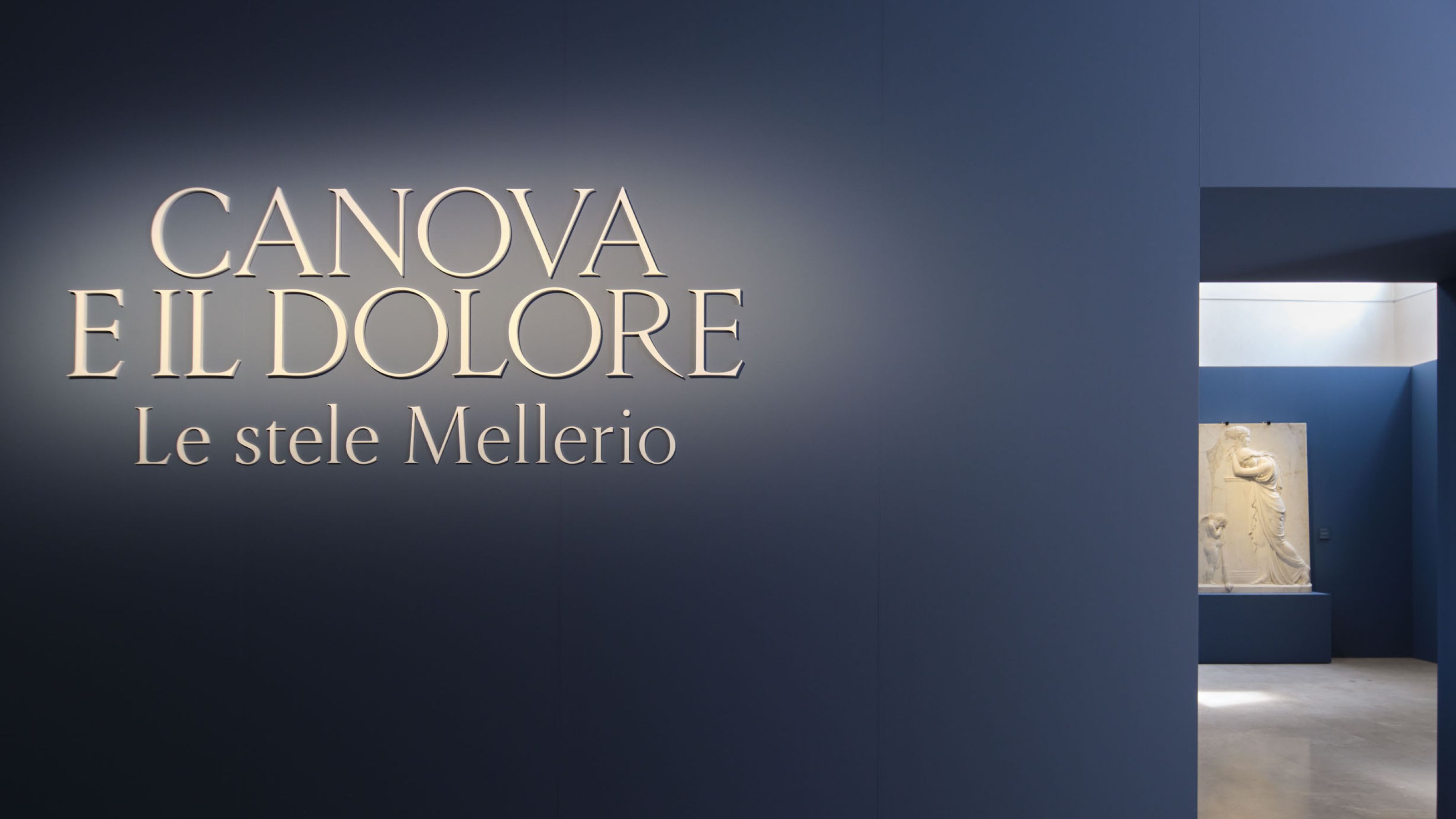
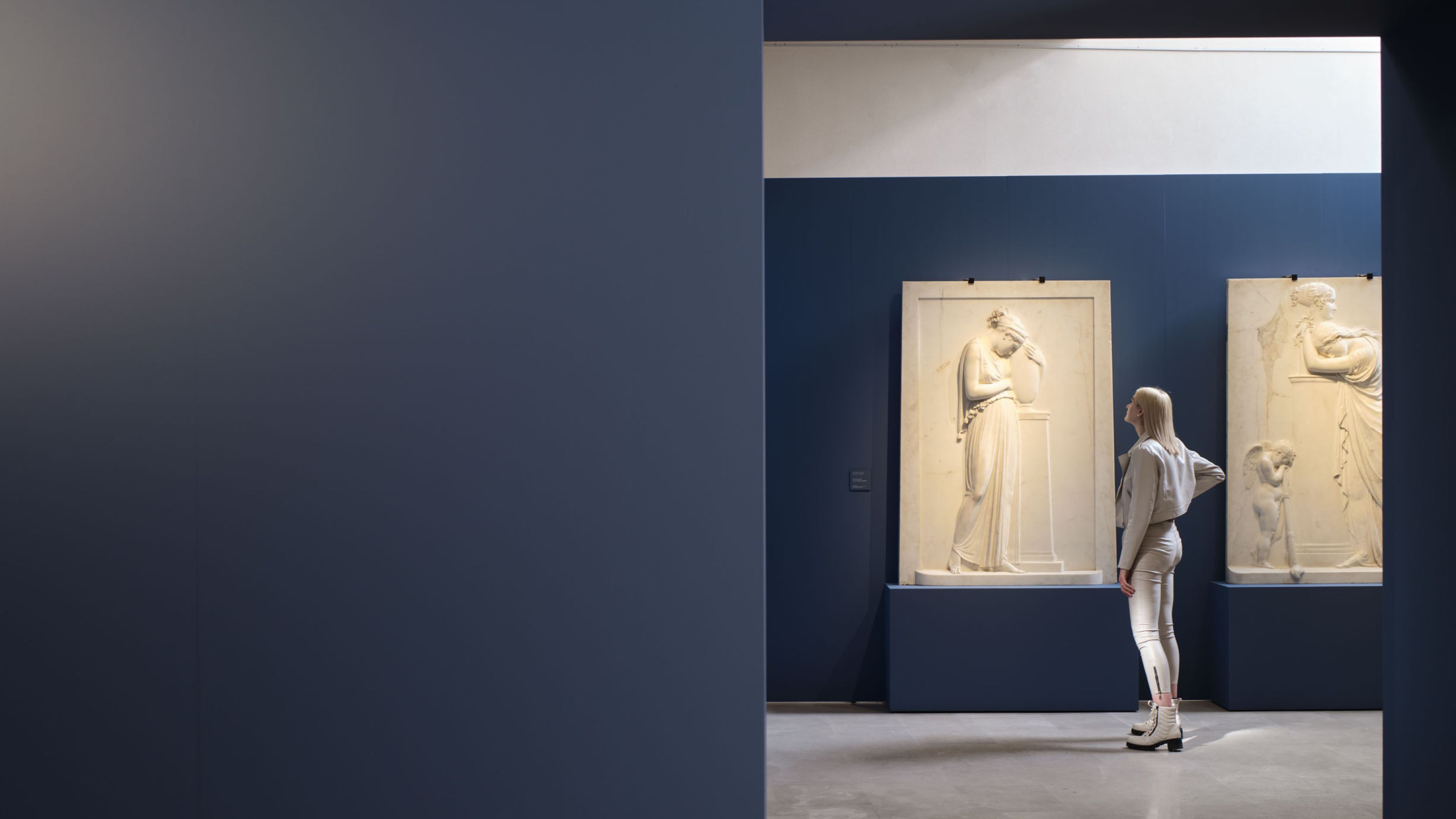
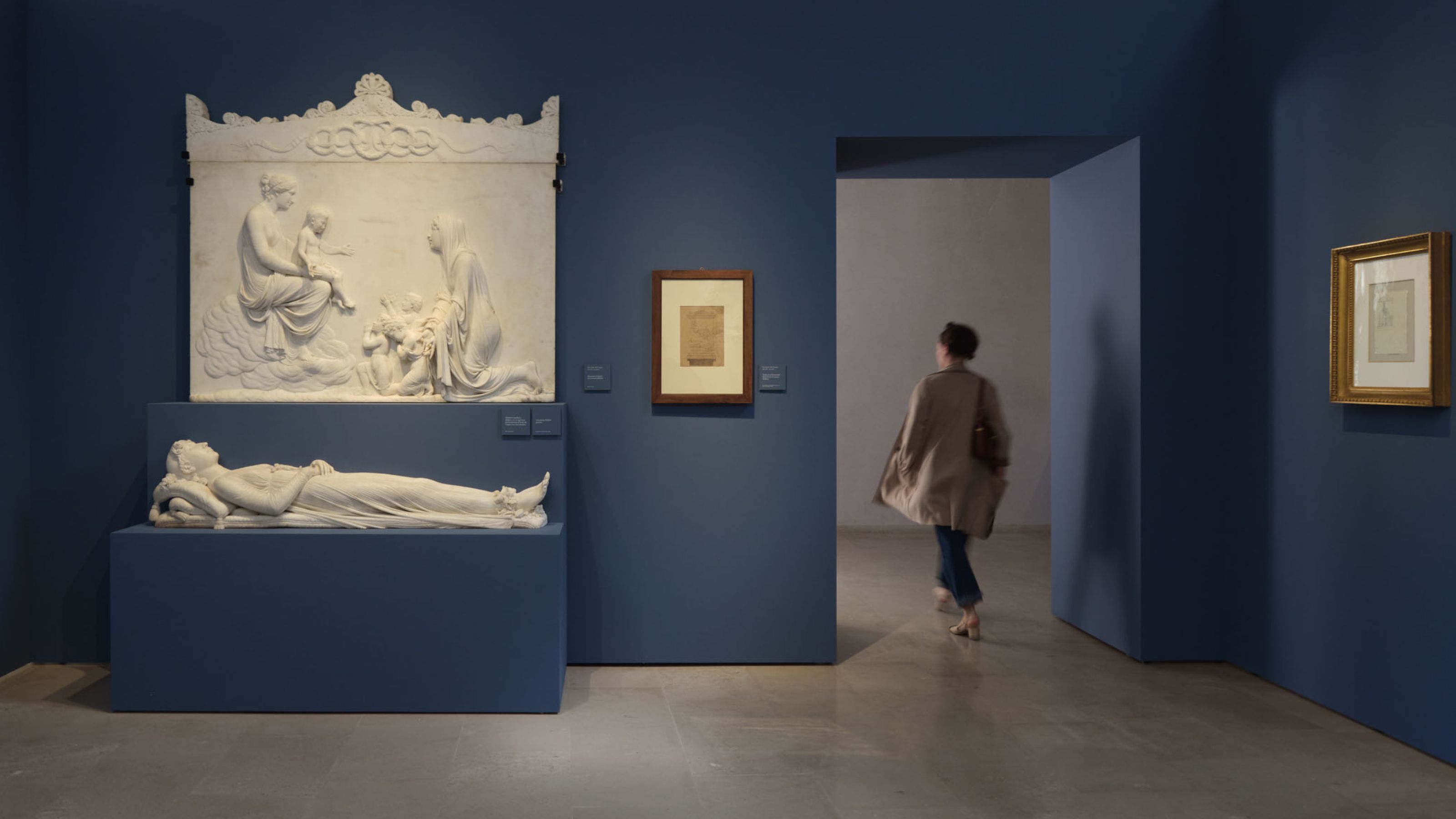
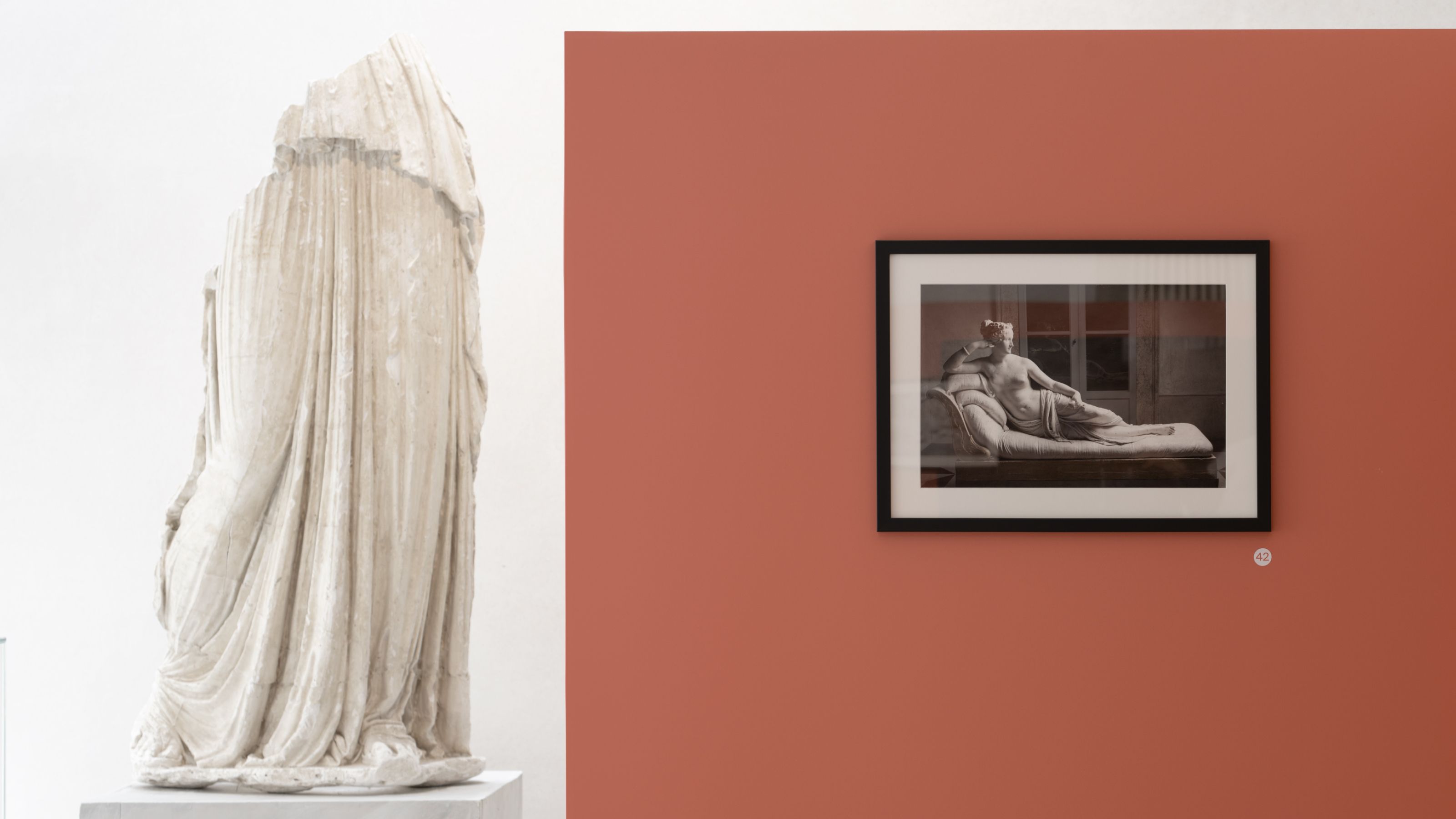
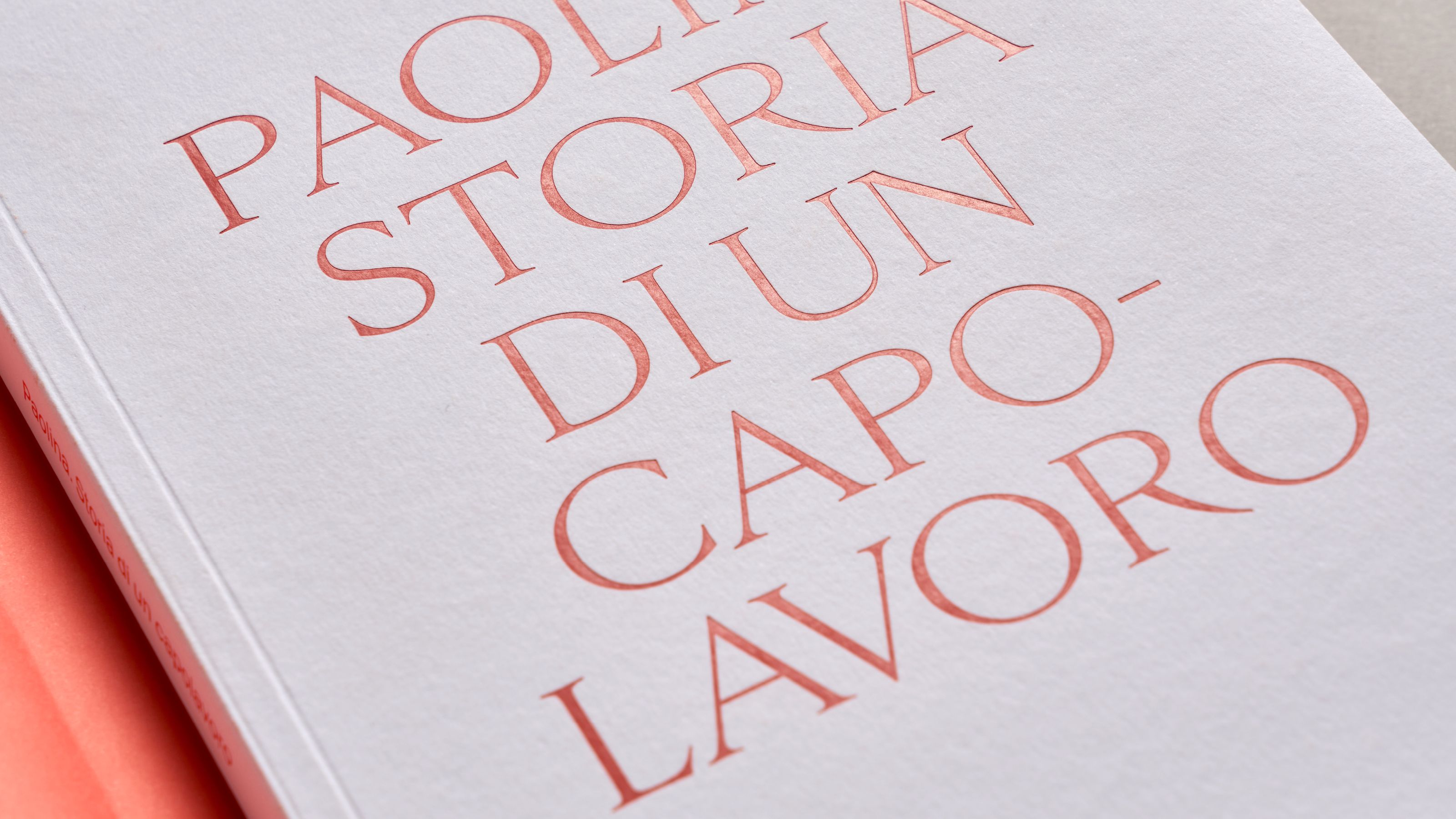
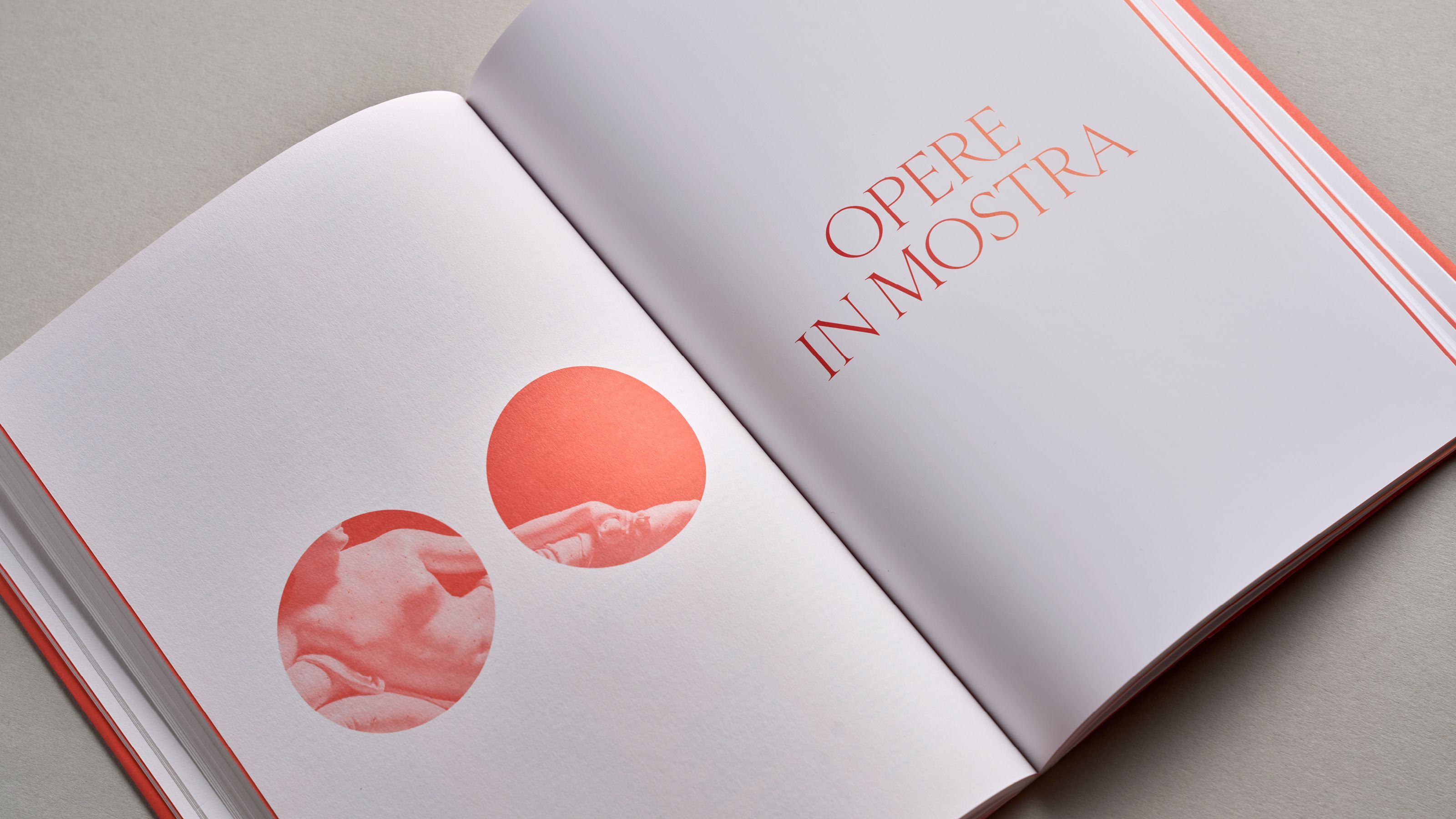
The entire communication system has also been adopted in the main temporary exhibitions created on site. From time to time, the graphic design, which basically represents the white of the gypsum and the black of the repere, is colored in order to transmit to the public the uniqueness of each single event by linking it to the symbolic meaning of each chosen colour.
Credits