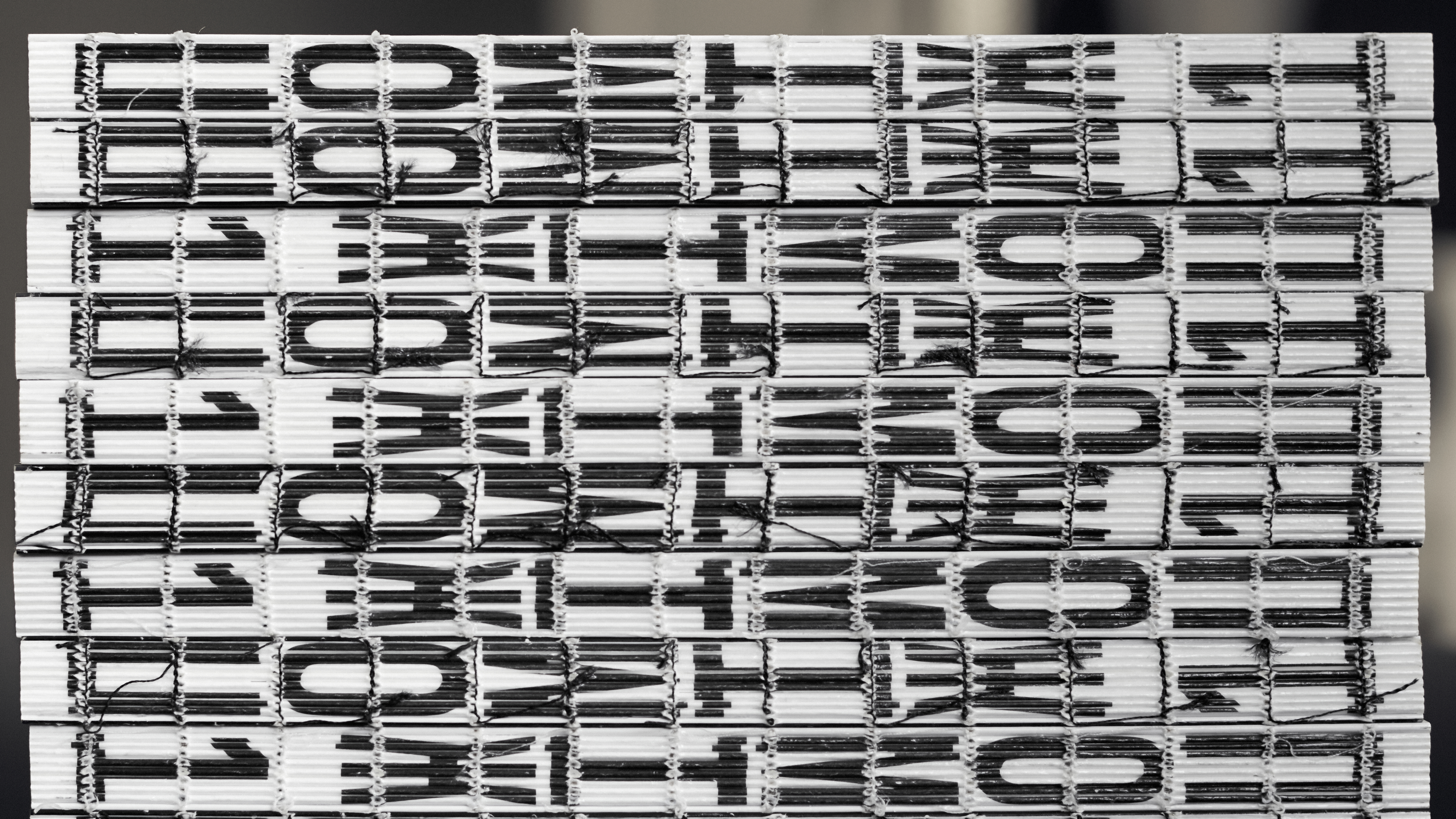
Pomizh Magazine
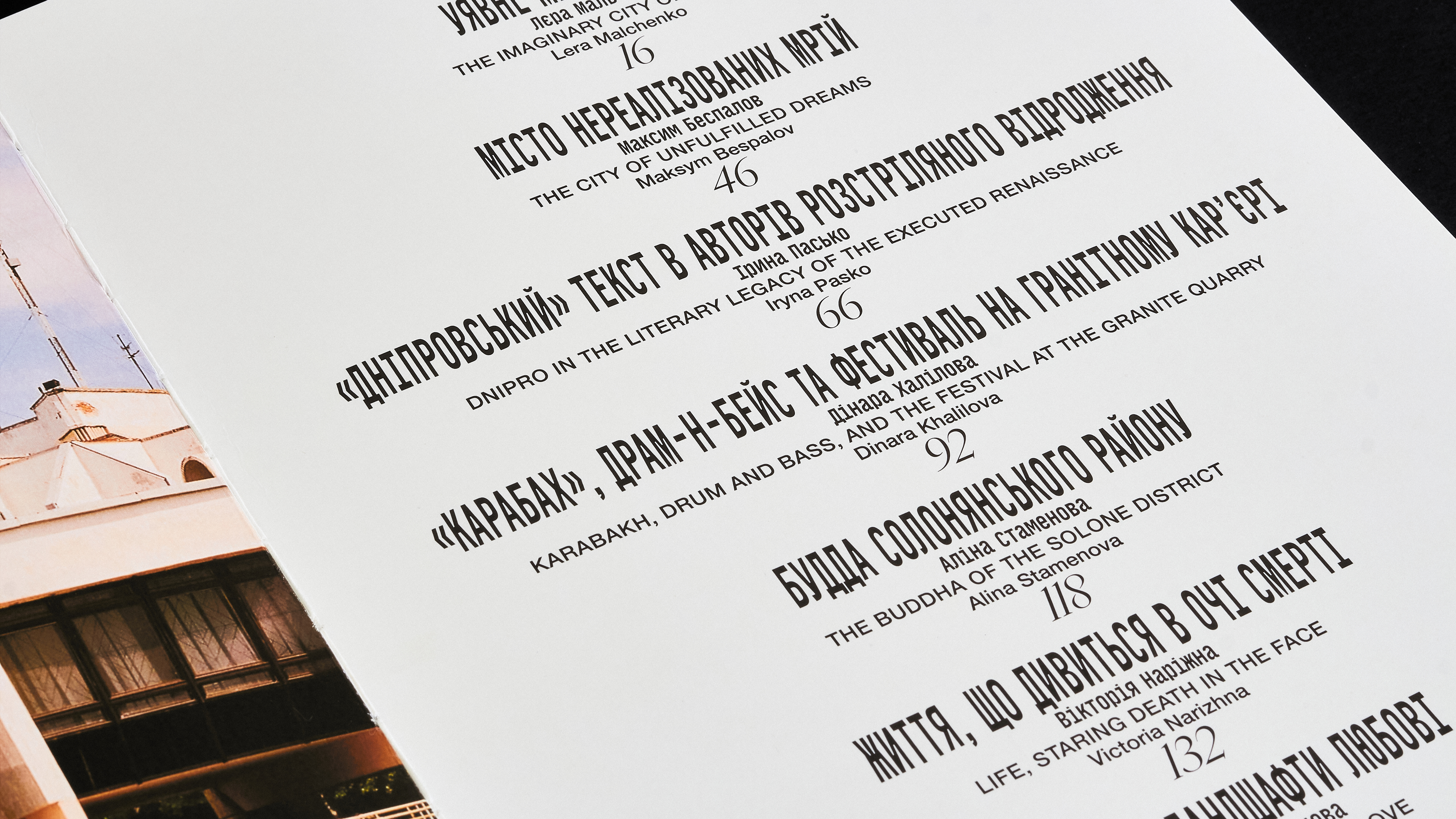
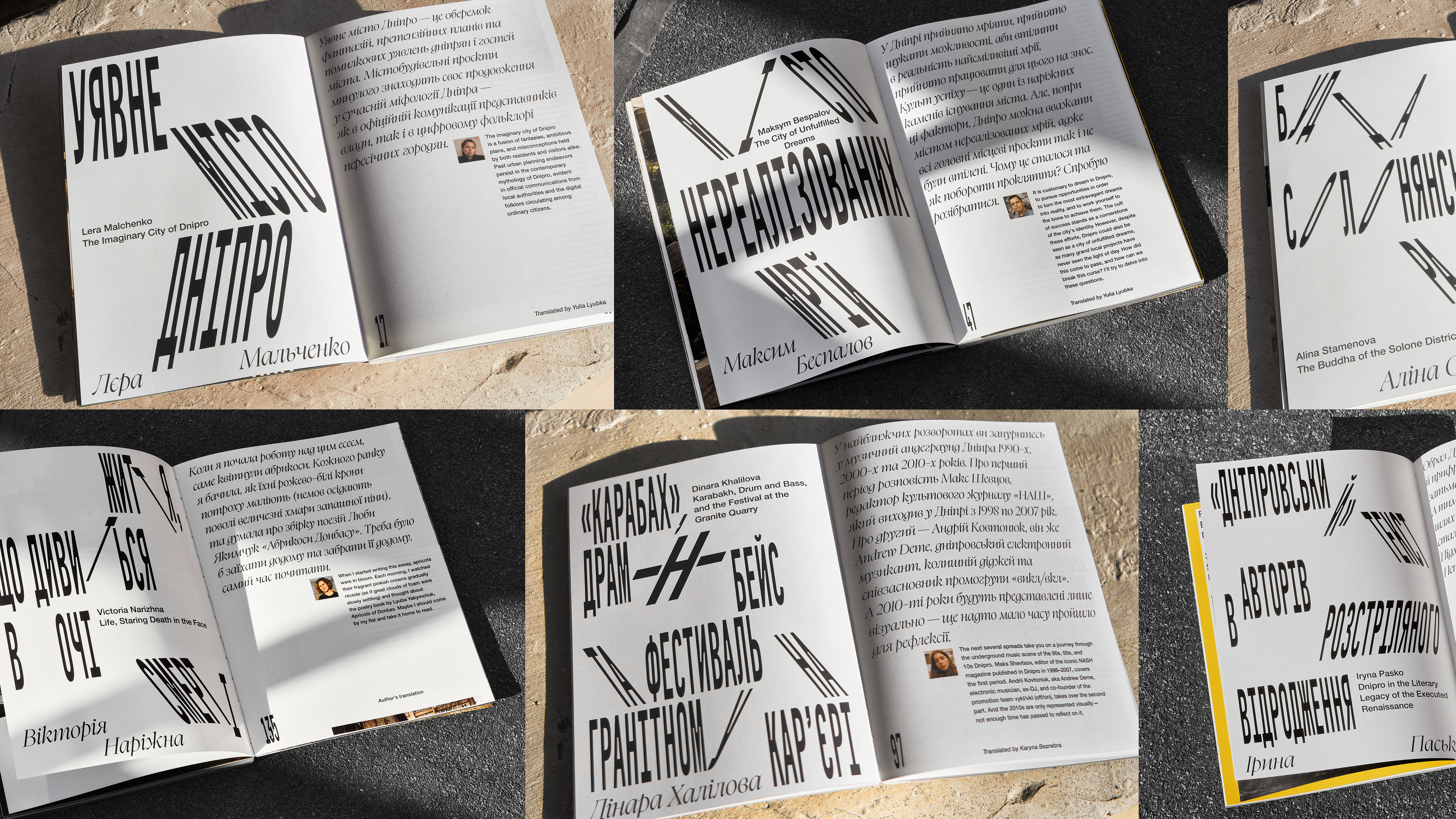
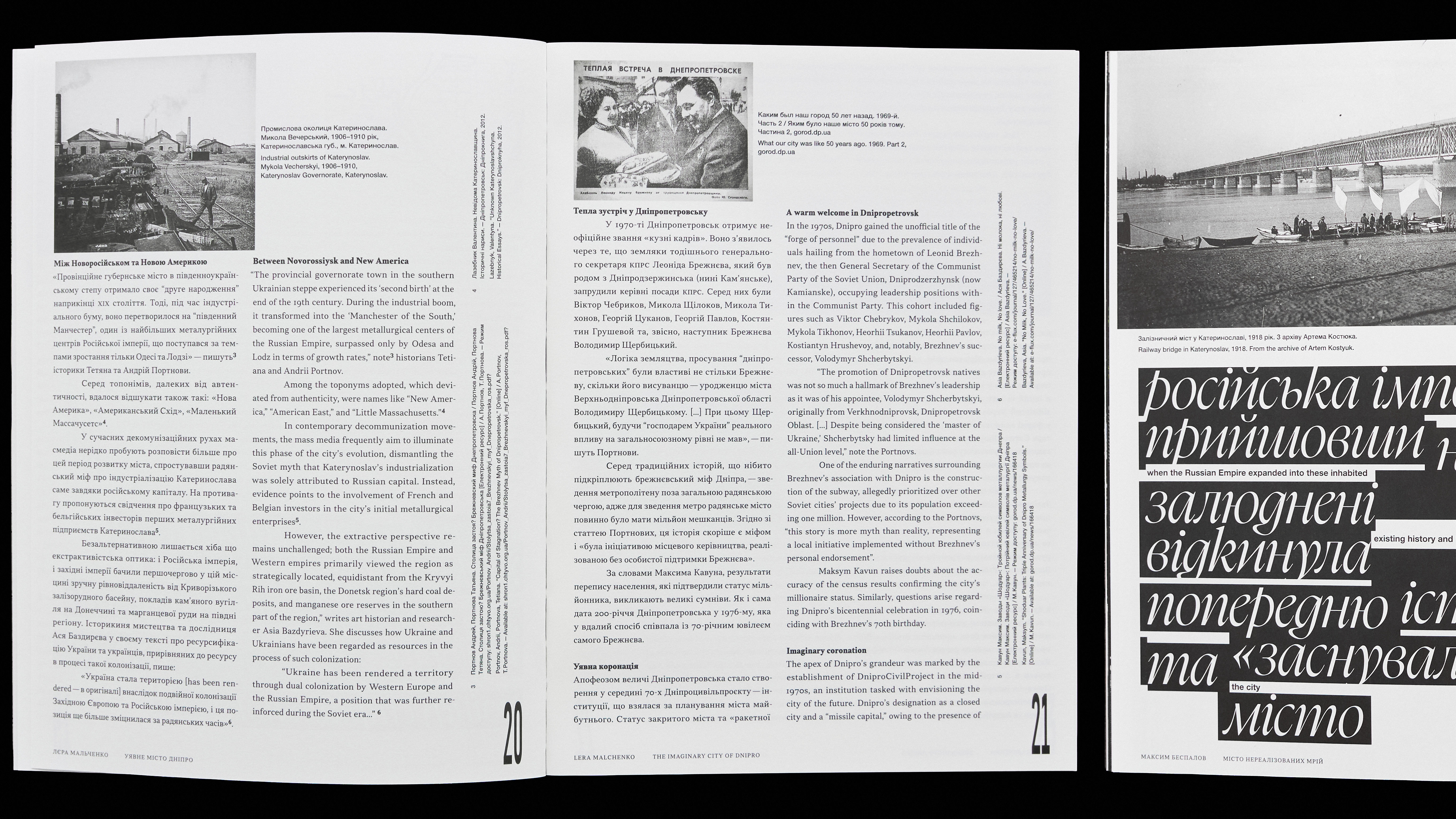
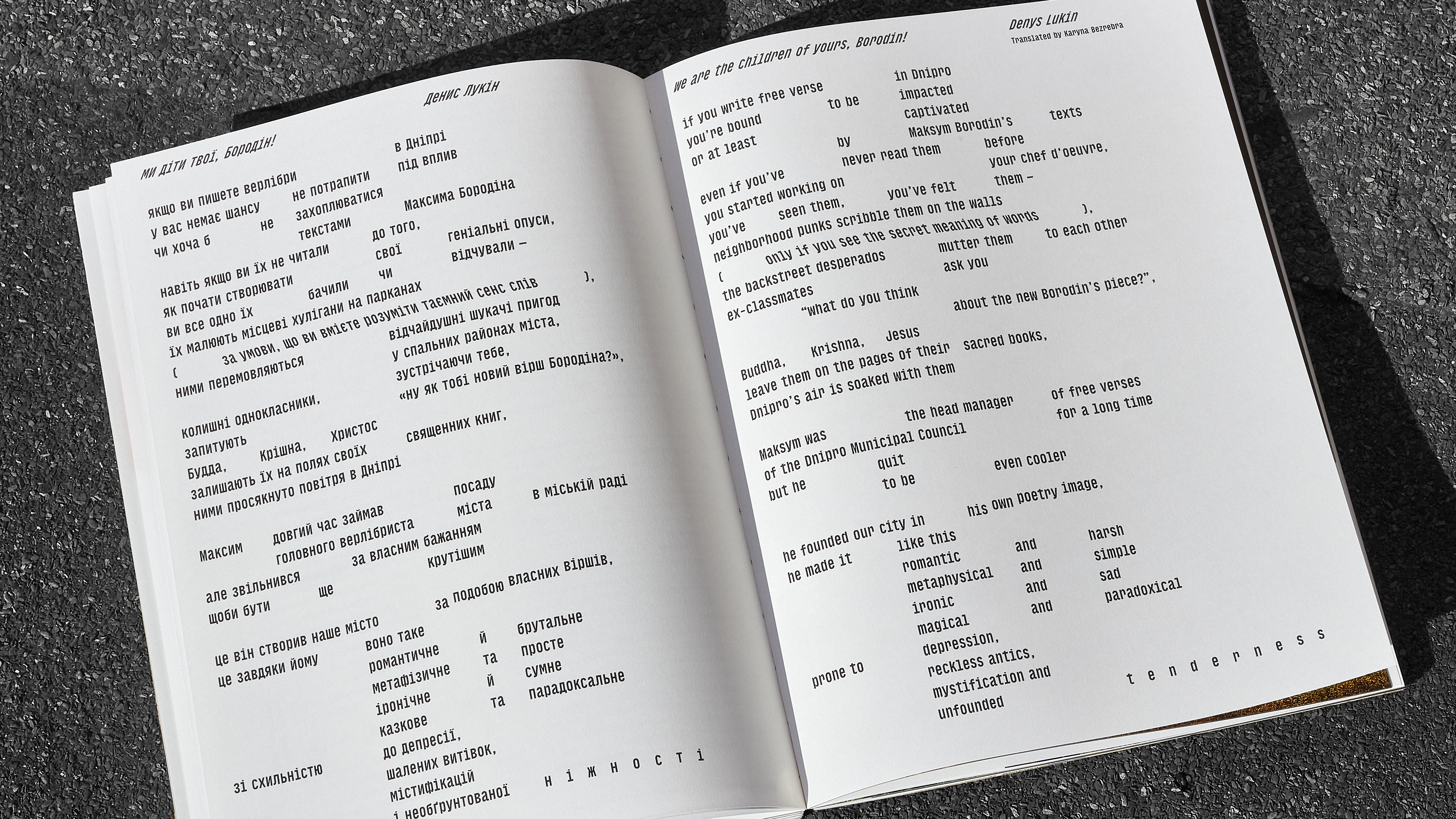
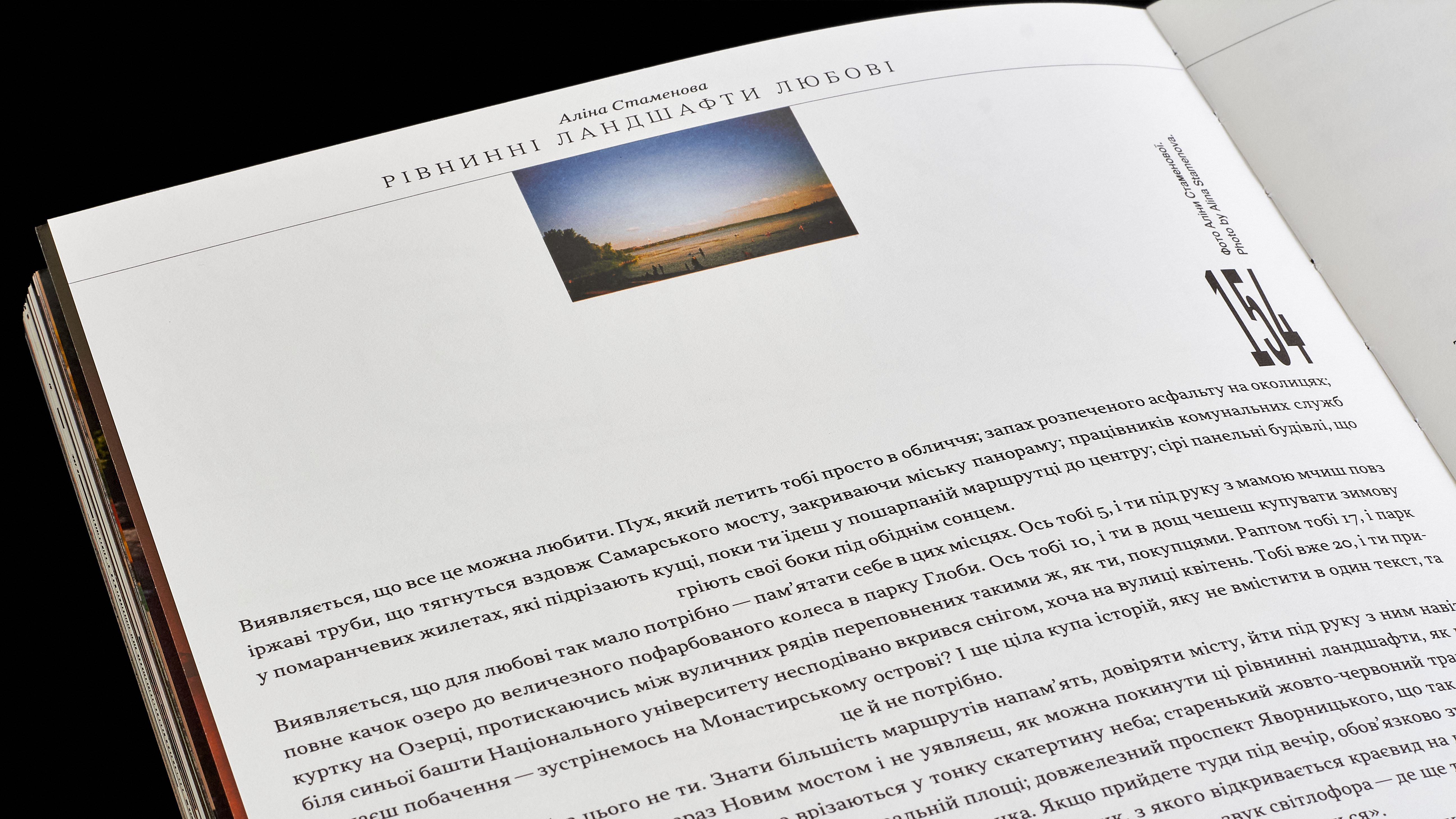
The inaugural issue of Pomizh Magazine ("pomizh" means "between" in English) focuses on the city of Dnipro, created by the city’s own residents and dedicated to its culture, history, everyday life, and inhabitants. This first edition features articles reevaluating Dnipro’s historical and cultural heritage, local literary myths, music, cityscapes, and life during wartime.
This first issue of the magazine was created by a local team during russia’s full-scale war against Ukraine. Throughout the work of the editorial team, Dnipro, like other Ukrainian cities, was repeatedly subjected to russian mass attacks with russian strike drones and ballistic missiles. Unfortunately, this also affected members of our editorial team. While the war is reflected in both the textual and visual materials, our primary focus was on the city where we grew up and were shaped — a city we do not want to lose.
Printing
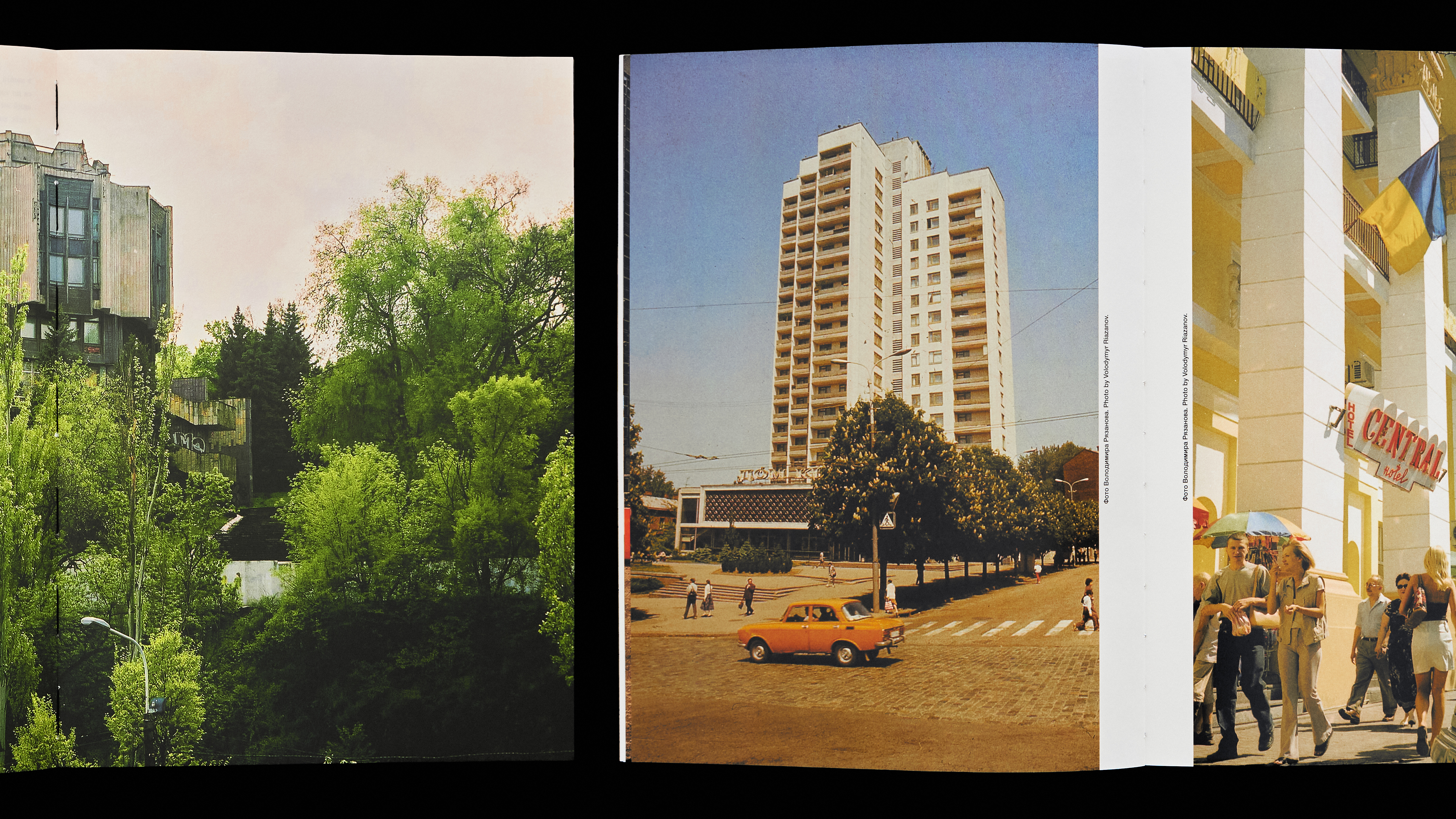
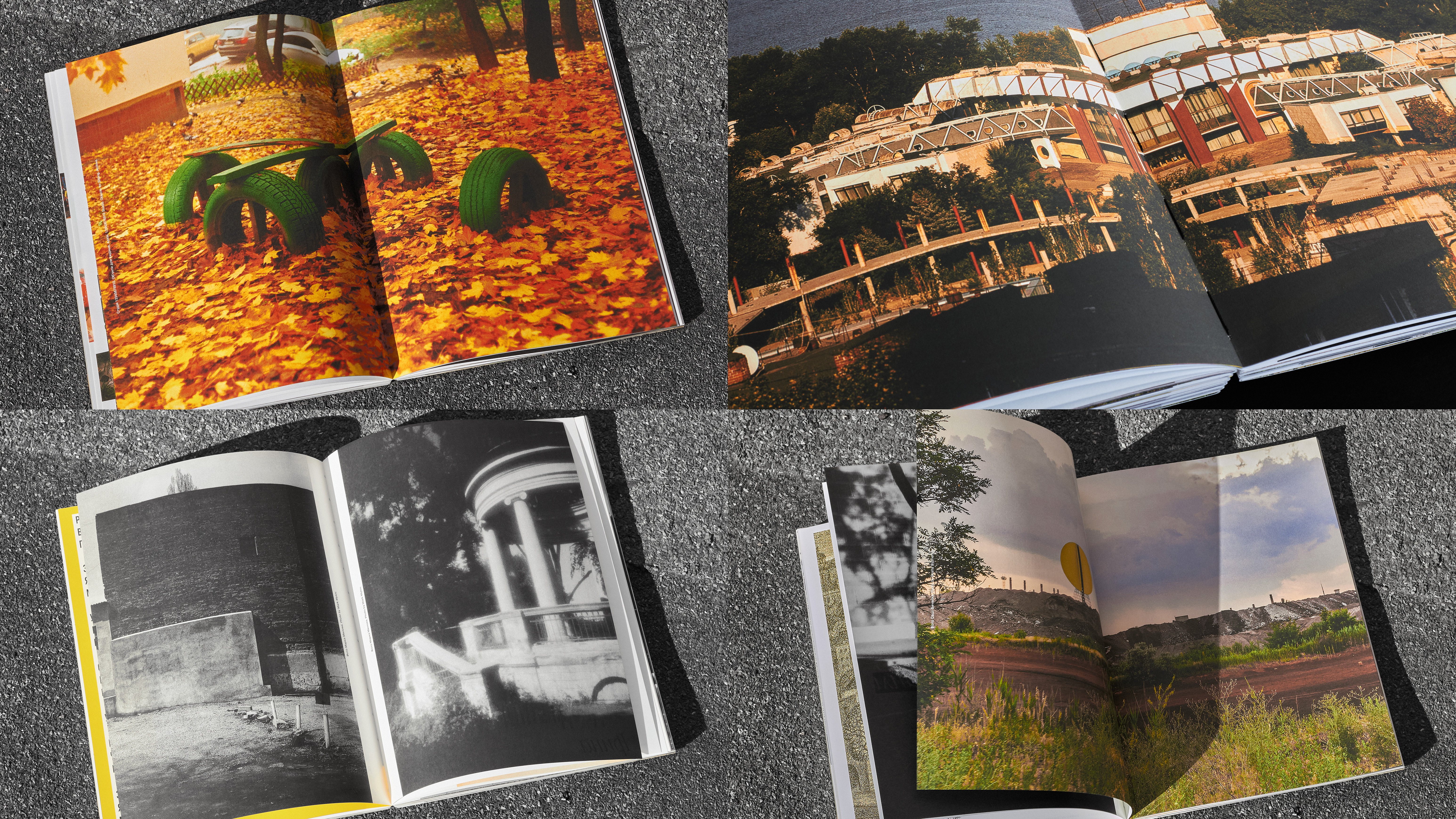
This issue was printed using an experimental offset process developed in collaboration with the printing house’s technologist. The standard CMYK triad colors for full-color printing were replaced with spot colors from the Pantone palette, which are brighter and slightly shifted in hue on the color wheel.
Although this approach usually results in inaccurate color reproduction in standard production processes, we intentionally used it as an artistic technique. This made the color palette one of the defining artistic features of the publication’s overall design.
Instead of C: 2925 U, Instead of M: Bright Red U, Instead of Y: Yellow 012 U.
As a result of this replacement, the reds, oranges, and yellows appear almost luminous on the paper’s surface (most noticeable in bright natural light). Greens became more vibrant, while blues shifted toward violet or turquoise tones. This gave the magazine a distinctive warm-toned palette that is integral to its design.
Cover
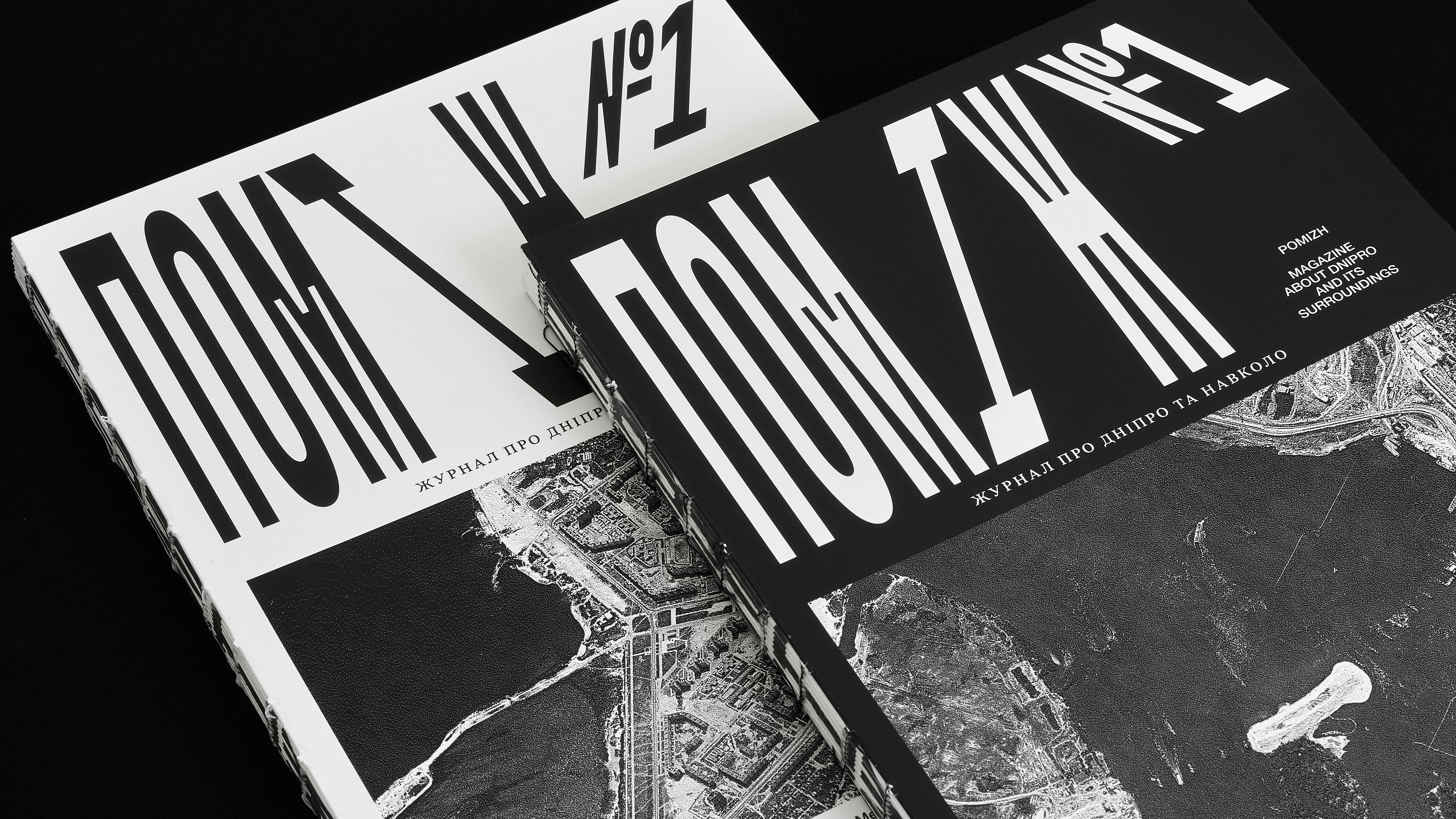
The magazine has two different covers: one black and one white. They feature two archival photographs of bridges construction across the Dnipro River in two opposite districts of the city. These photographs are placed on the front and back covers and are swapped between the black and white versions.
Credits