Na Regen komt Neonlicht
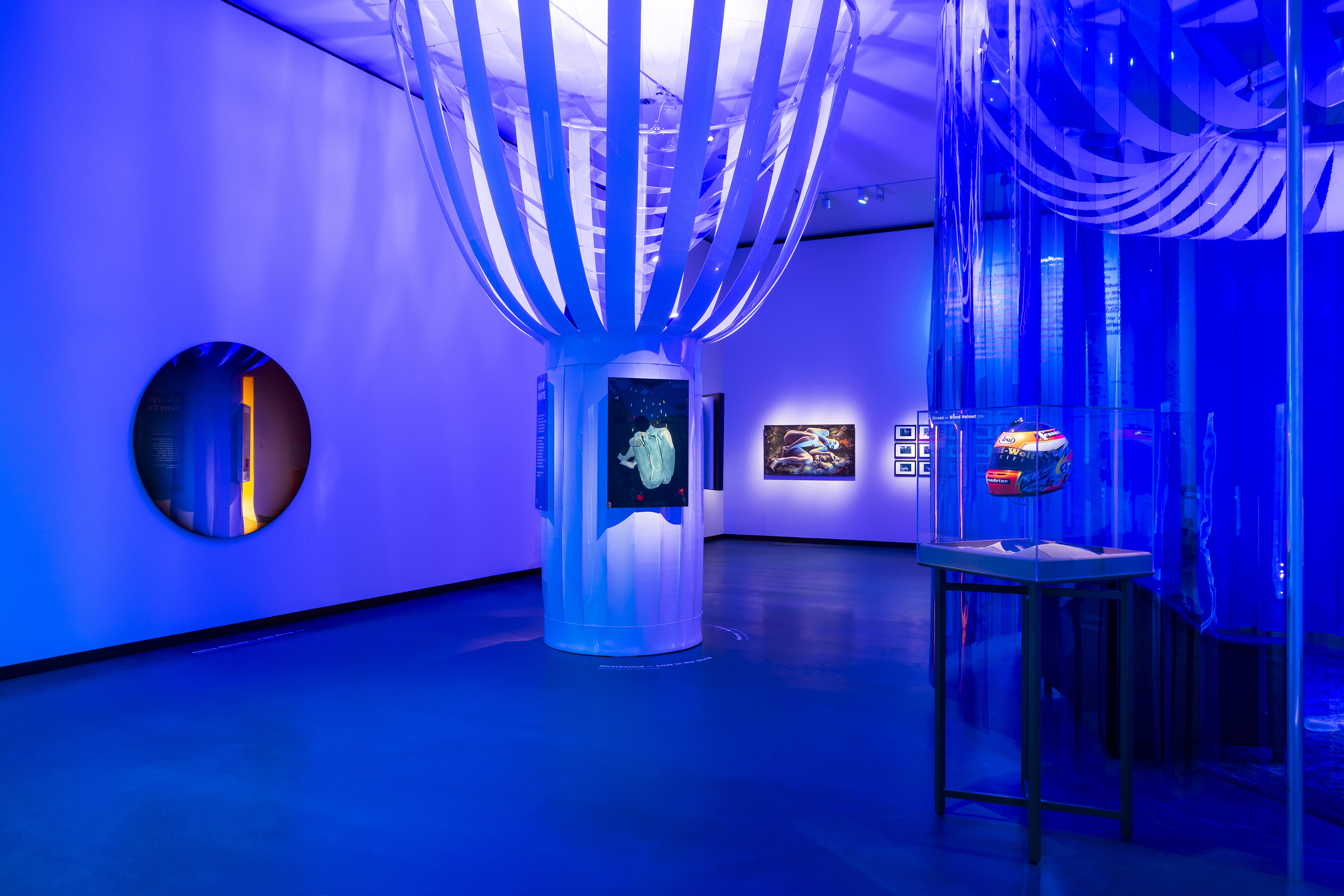
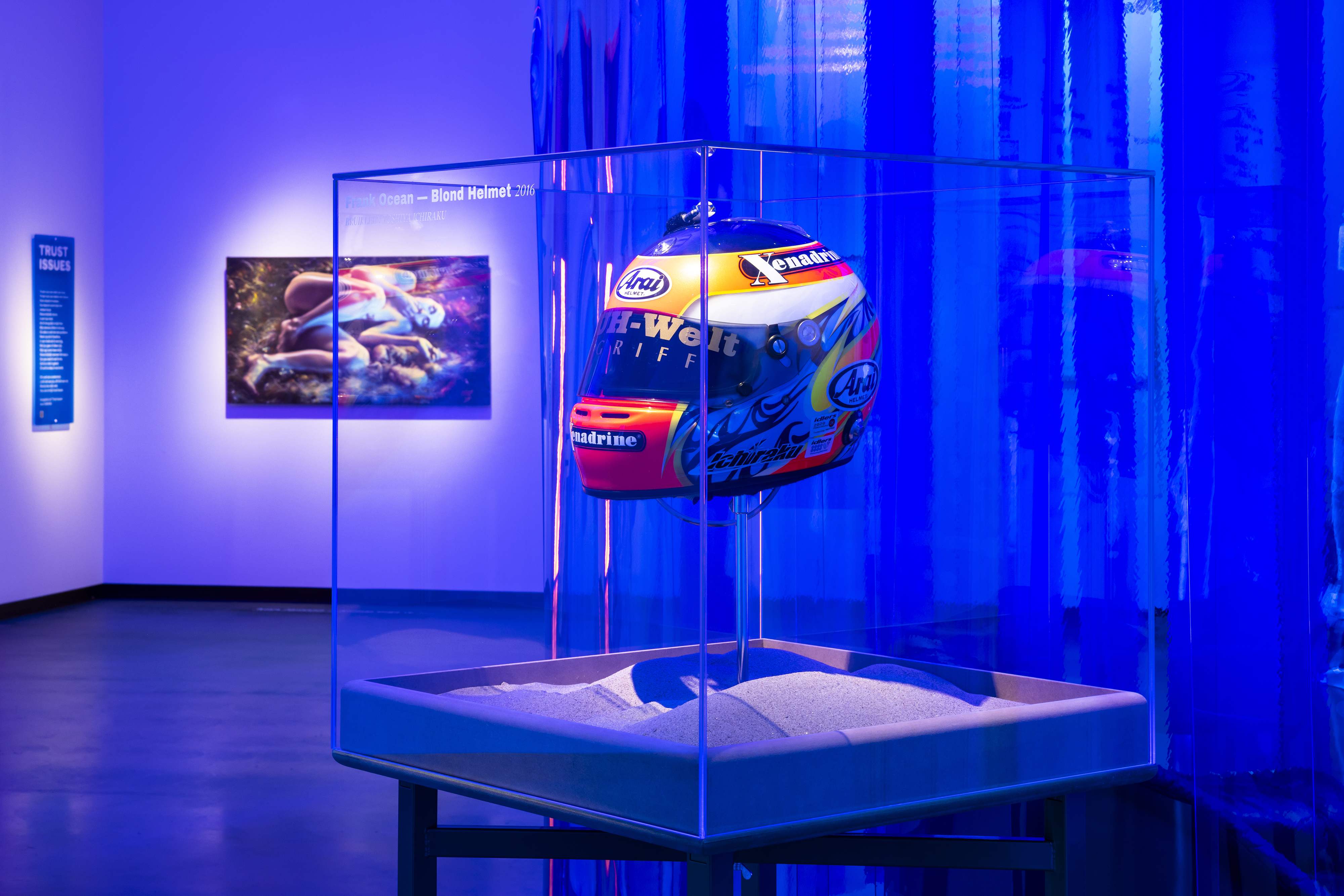
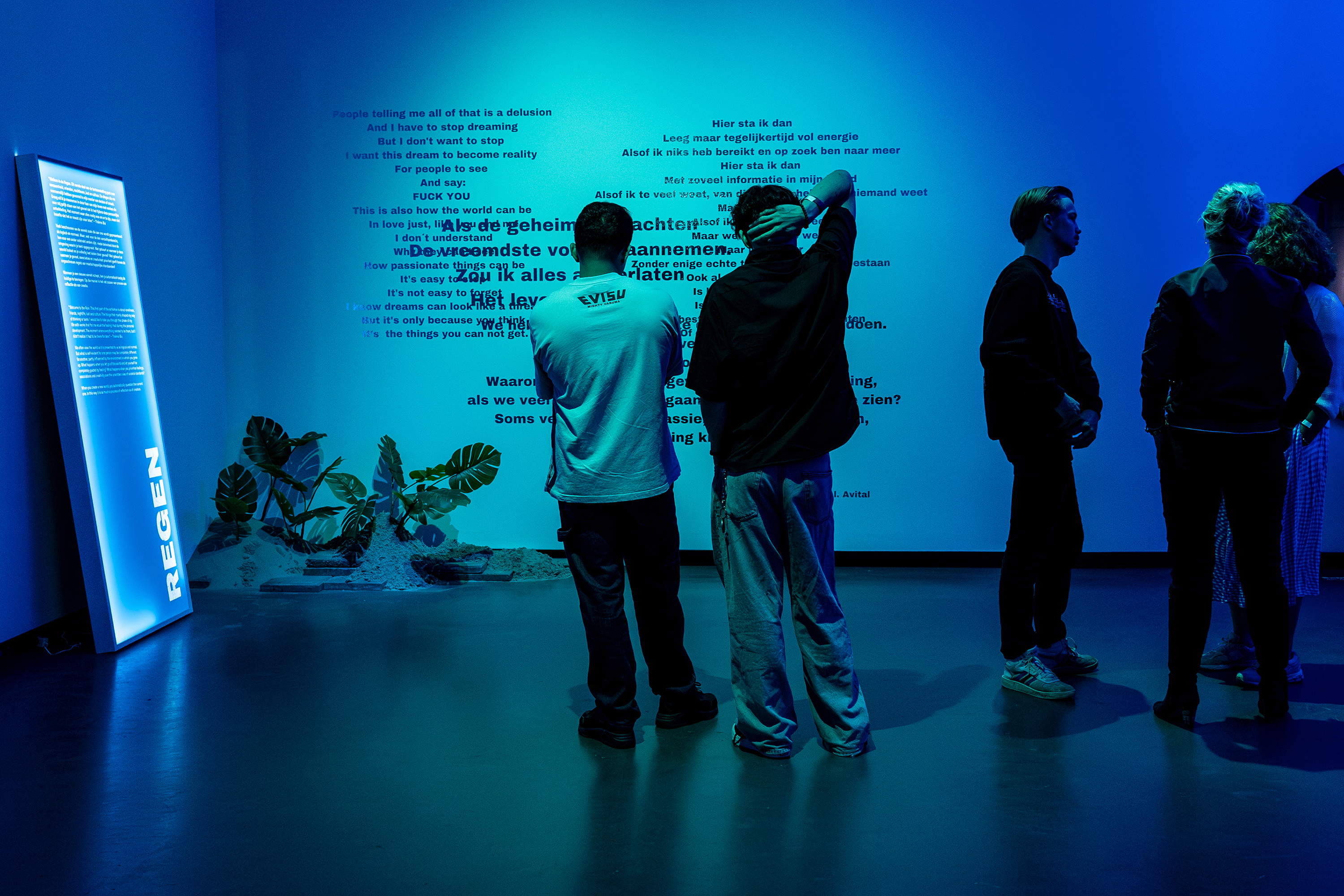
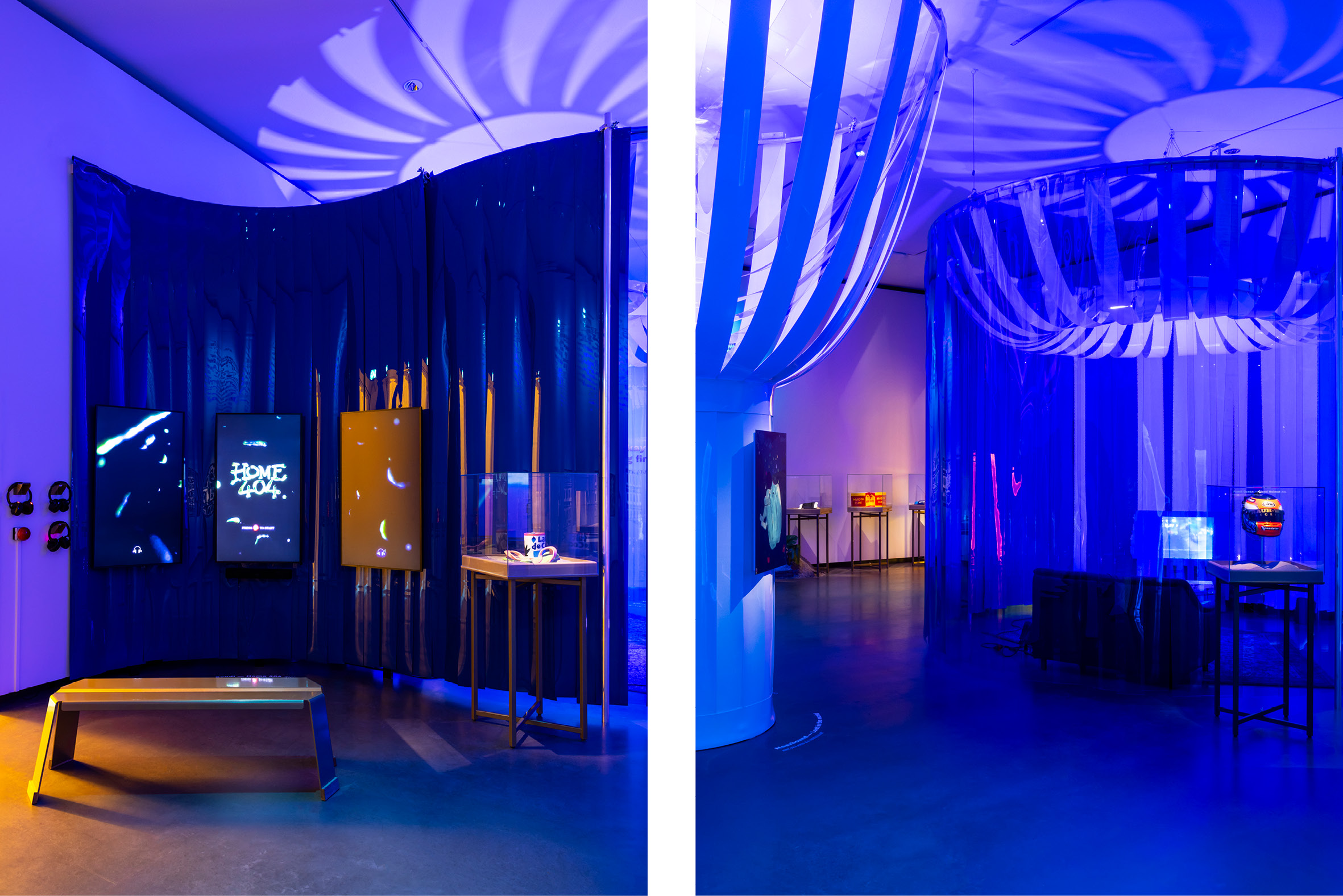
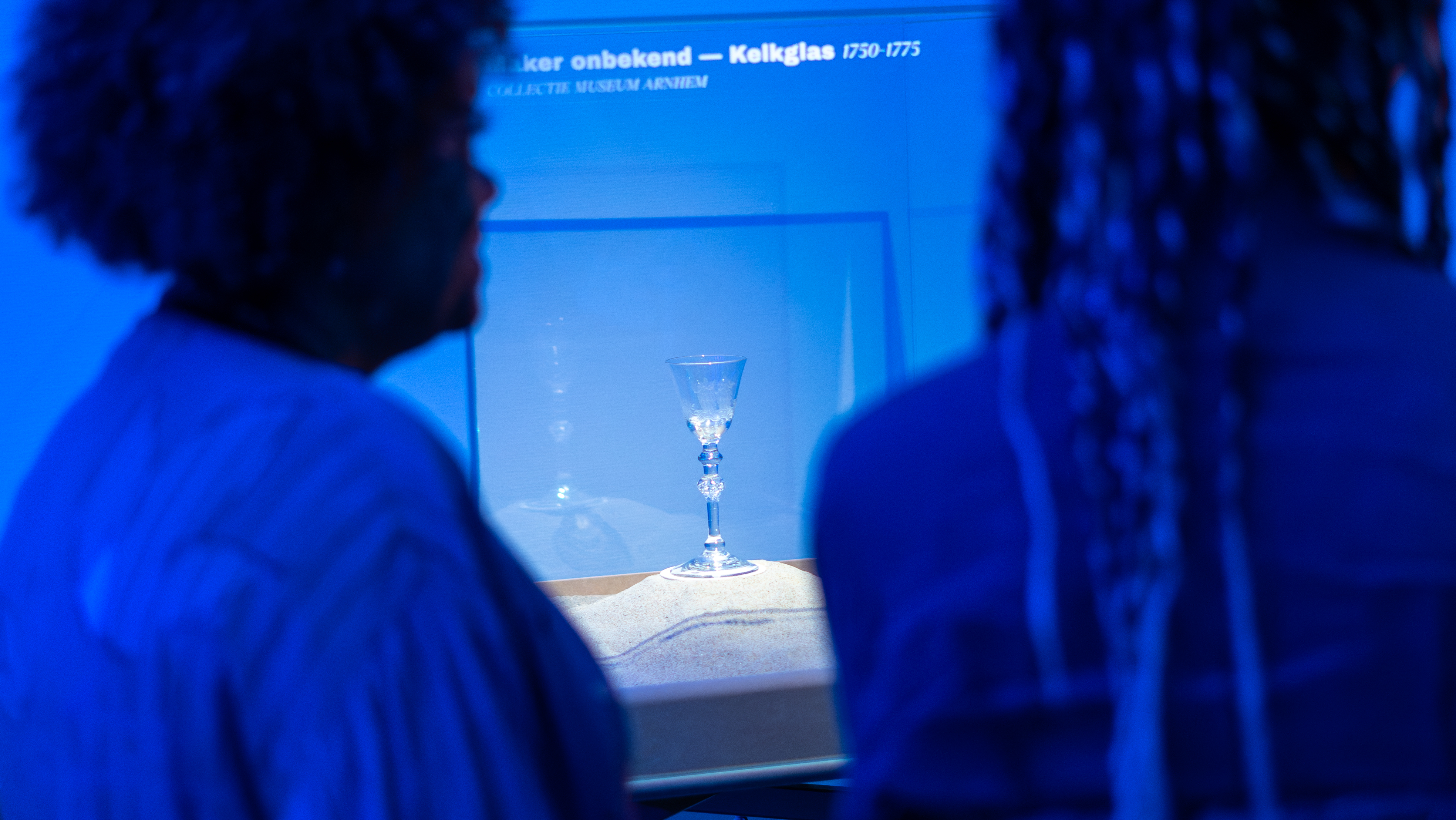
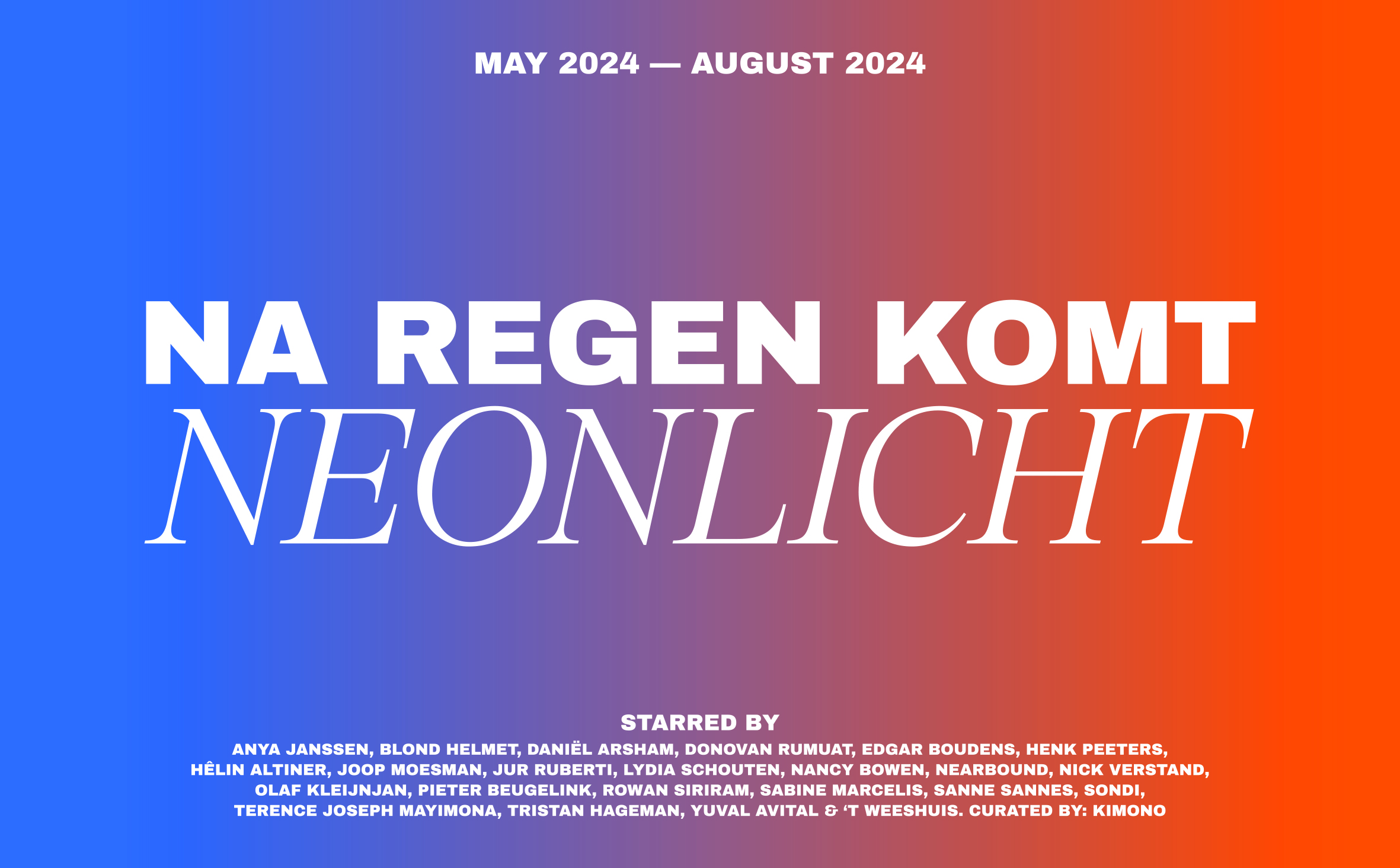
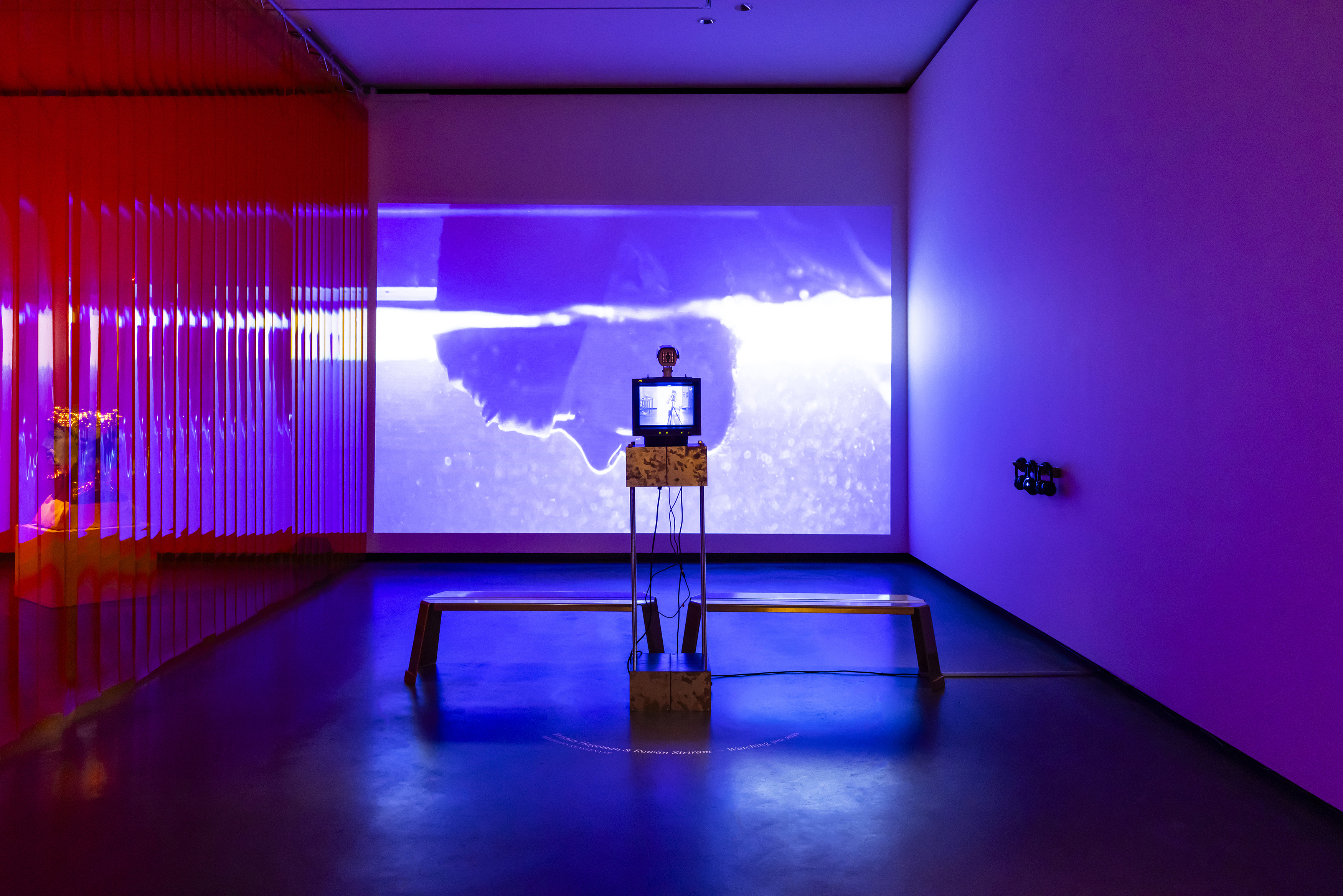
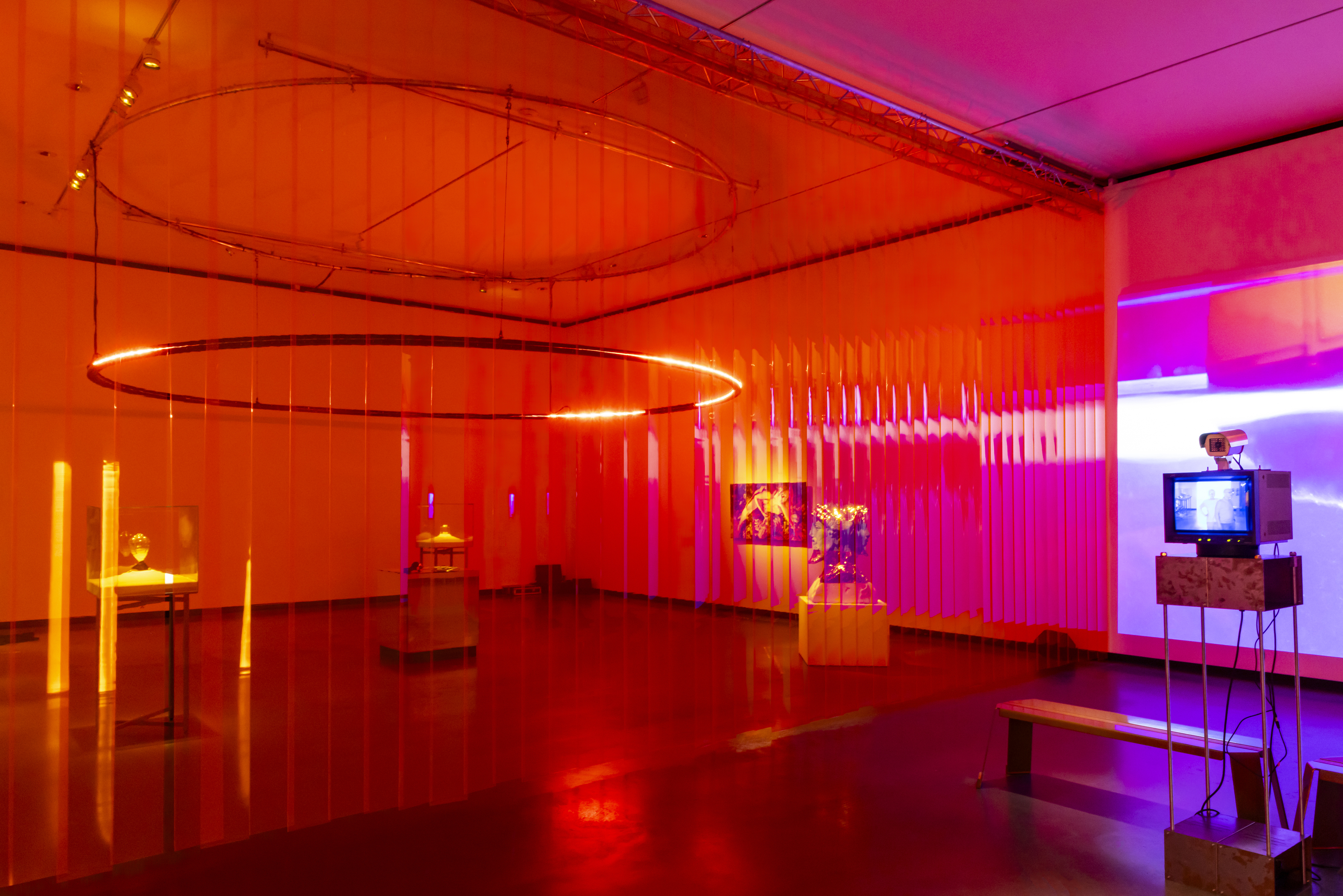
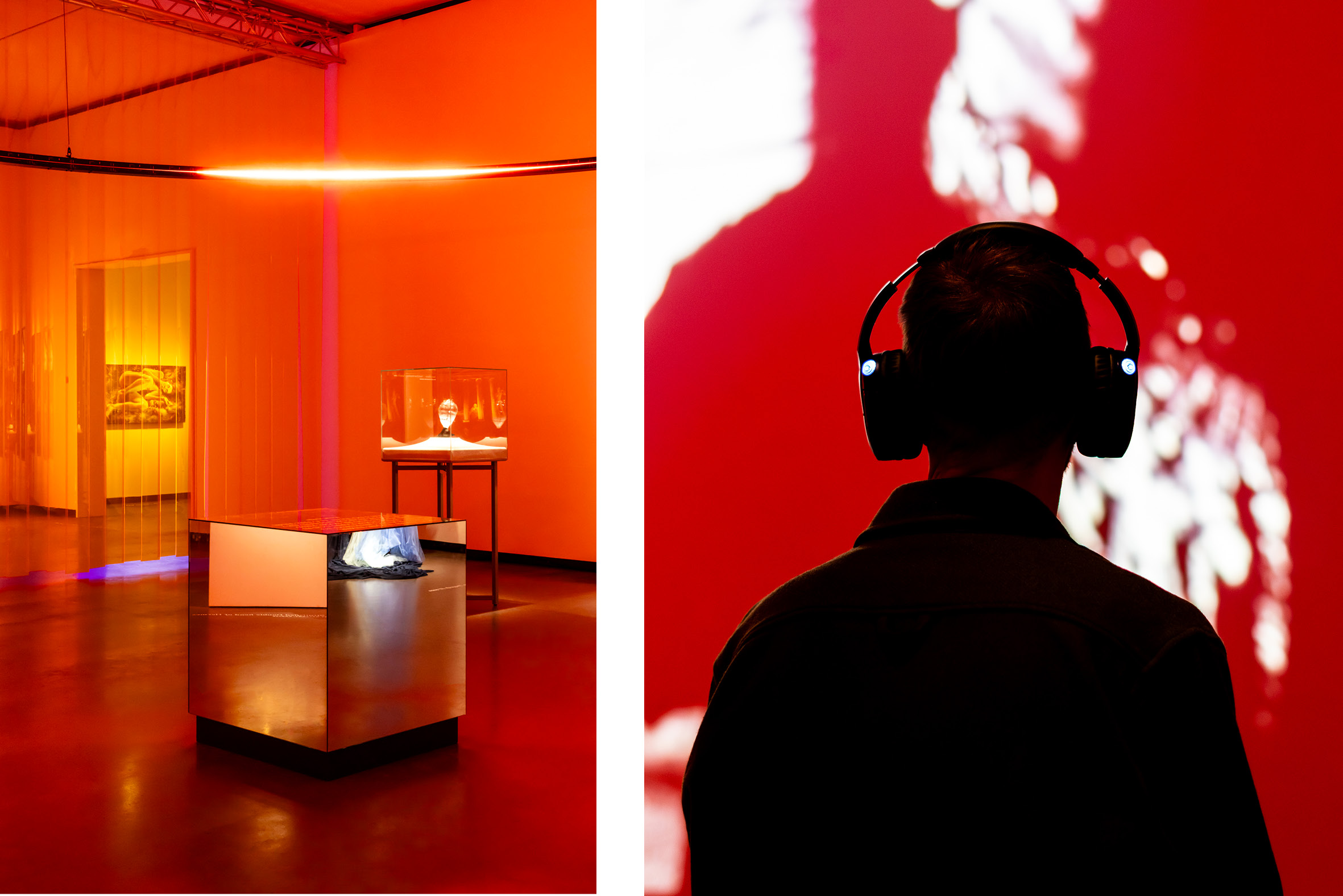
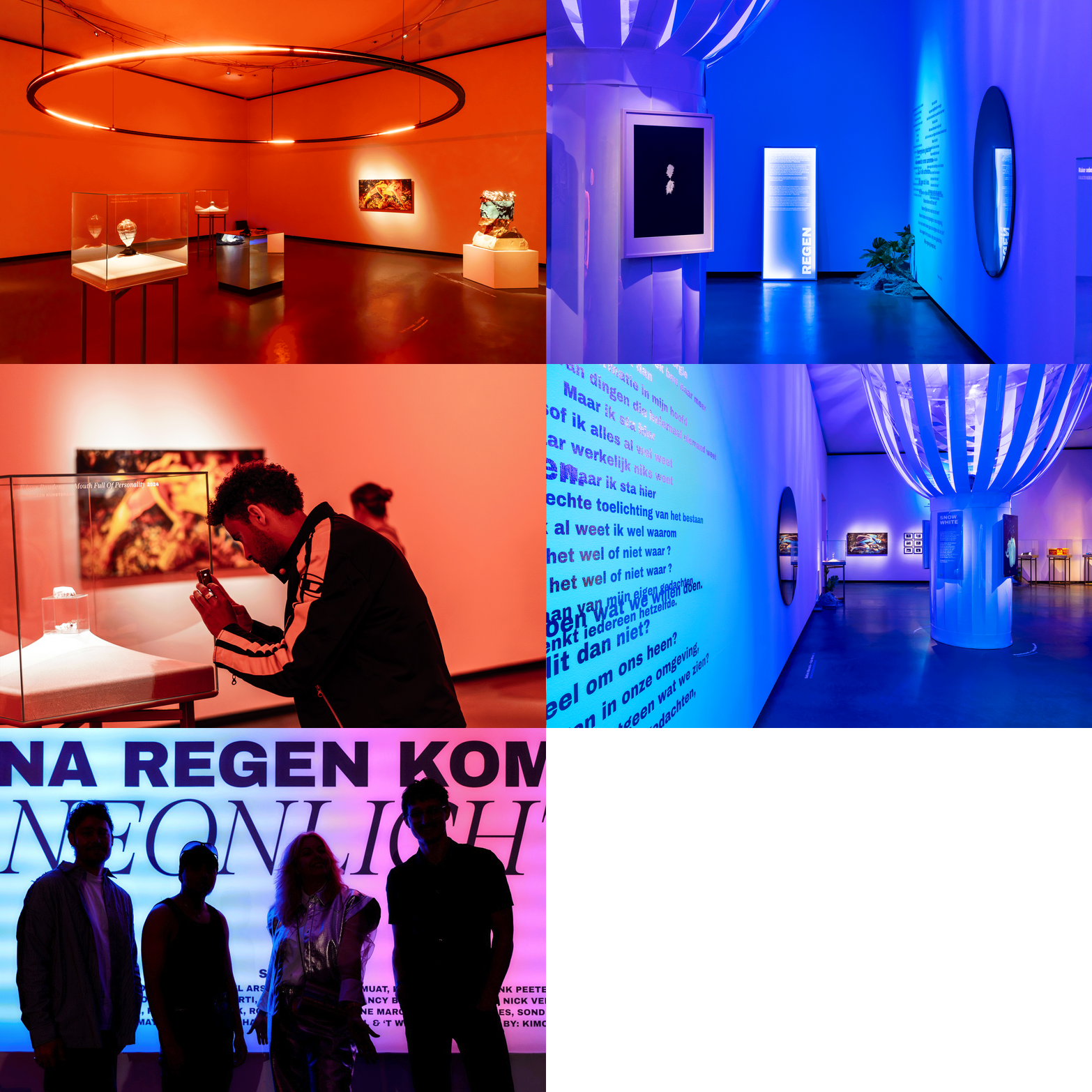
What happens when you let go of this world and let yourself be completely guided by feeling? When you make feeling, association and creativity more important than what the world around you expects from you? Na Regen komt Neonlicht (translated After rain comes neon light) is the result of the research of the Arnhem based R&B producer/songwriter KIMONO into his creative and personal development. This project, consisting of music, a club night and an exhibition, takes you on a sensory journey through 10 years, during which KIMONO's creative vision and identity were formed. In the exhibition, art, music and stimulating design guide you through his emotions and thoughts and those of his community. Consider topics such as love, loneliness, fear, greed, identity and art. KIMONO has always lived and worked based on his intuition and autonomy. KIMONO took this vision and method with him, while curating the exhibition in close collaboration with his community. By positioning KIMONO as the public-in-residence, he and his community formed a unique connection with the museum, exploring how art can resonate with them. The exhibition showcased a blend of iconic works from the museum’s collection and new pieces meaningful to KIMONO, some never before displayed in a museum, like the helmet from a Frank Ocean music video. Others, such as works by Sabine Marcelis and Daniel Arsham, are trending on platforms such as Instagram. The exhibition's bold design - by KIMONO, studio met met & Dana Dijkgraaf - engaged multiple senses, making art more accessible. The exhibition used color, light, sound, and artworks to immerse visitors in KIMONO's world. This sensory-rich experience resonated with KIMONO’s community, while introducing art to a new demographic unfamiliar with its impact. Museum Arnhem, known for its commitment to gender equality and supporting women artists, embraced this innovative approach. The collaboration demonstrated the power of listening to communities and creating exhibitions that reflect contemporary culture and leaving their own traditional frames. This approach contributes to a more inclusive cultural landscape, both within the art world and beyond, making a meaningful impact. Visitors are welcomed to the exhibition with a large and ever changing gradient billboard. The exhibition is divided in two distinct spaces, creating two worlds —“After Rain” and “Comes Neonlight”— by the use of colored light, shapes and materials. Two contrasting typefaces are used to symbolize the merging of the two worlds. A custom made soundscape enhanced the experience.
Credits