Mo Museum Brand Identity
Background.
Mo Museum of Modern Art opened in Vilnius in 2018 with an ambition to redefine what a museum can be: not only a place for exhibitions, but a platform for education, events, and public conversations around topics that shape society – mental health, intimacy, equal rights, inclusivity, and LGBTQ+ issues. As the museum’s presence and reach grew, so did its brand complexity. Maintaining consistency across sub-brands and communications created by a wide range of contributors (external designers and the internal museum team) became increasingly challenging. The museum needed an identity refresh that could bring order without dulling Mo’s cultural energy. Two parameters were non-negotiable: the existing Mo Museum logo had to stay, and artworks had to be able to live inside communications without being warped or “made to fit” (a legal requirement). The task wasn’t to replace a mark – it was to build a system that extends from it, scales across touchpoints, and keeps the museum’s voice coherent as it expands.
Creative Idea.
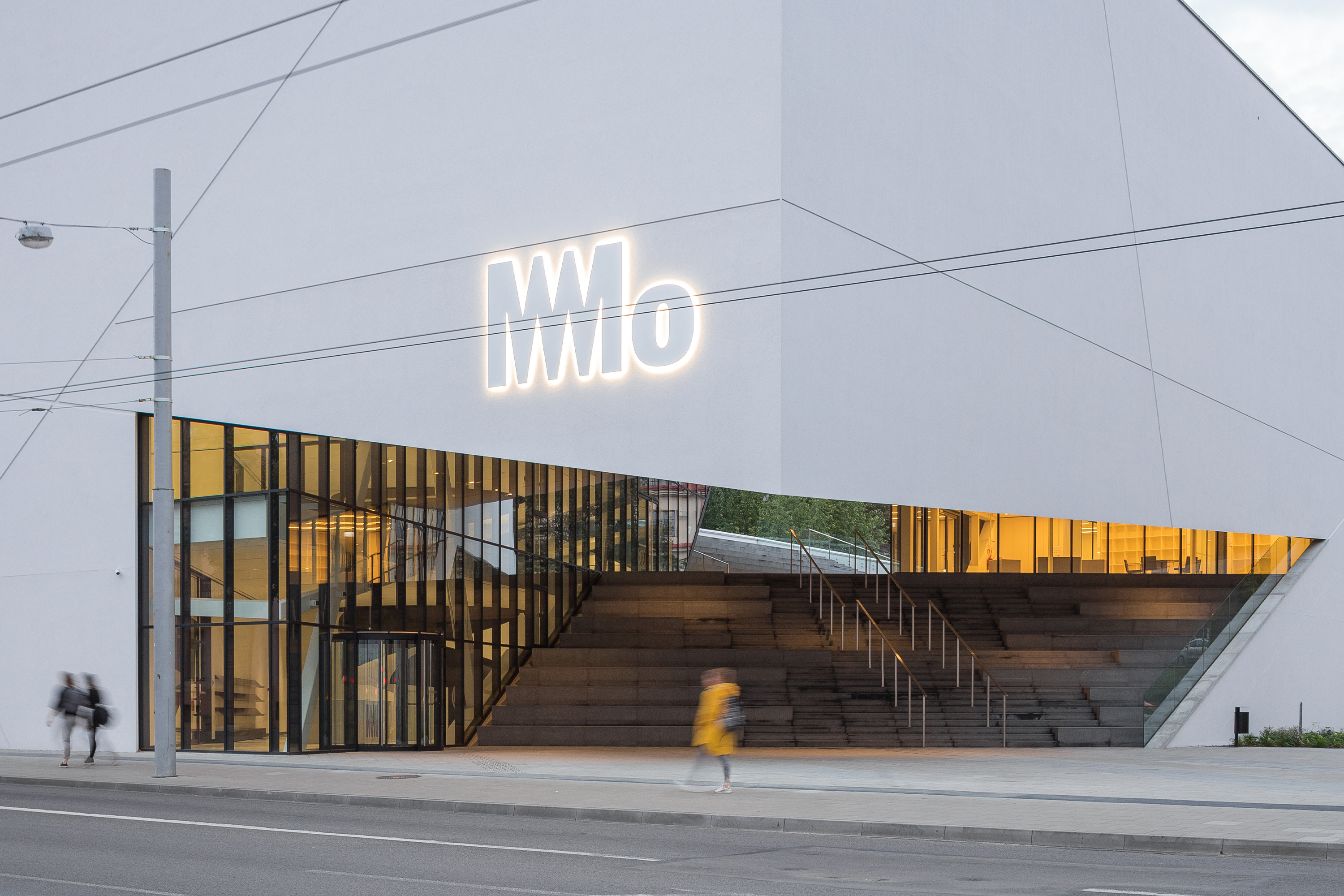
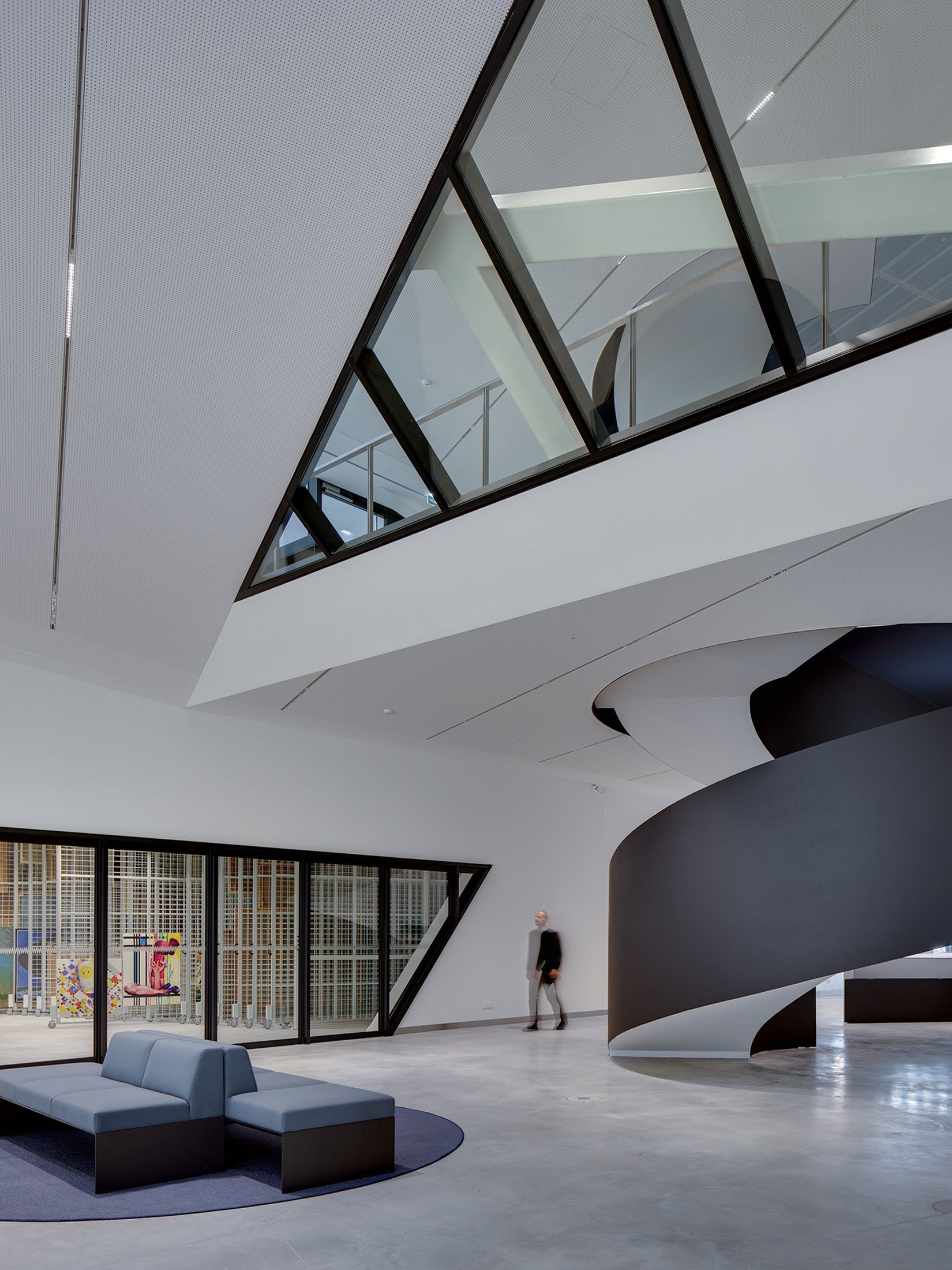
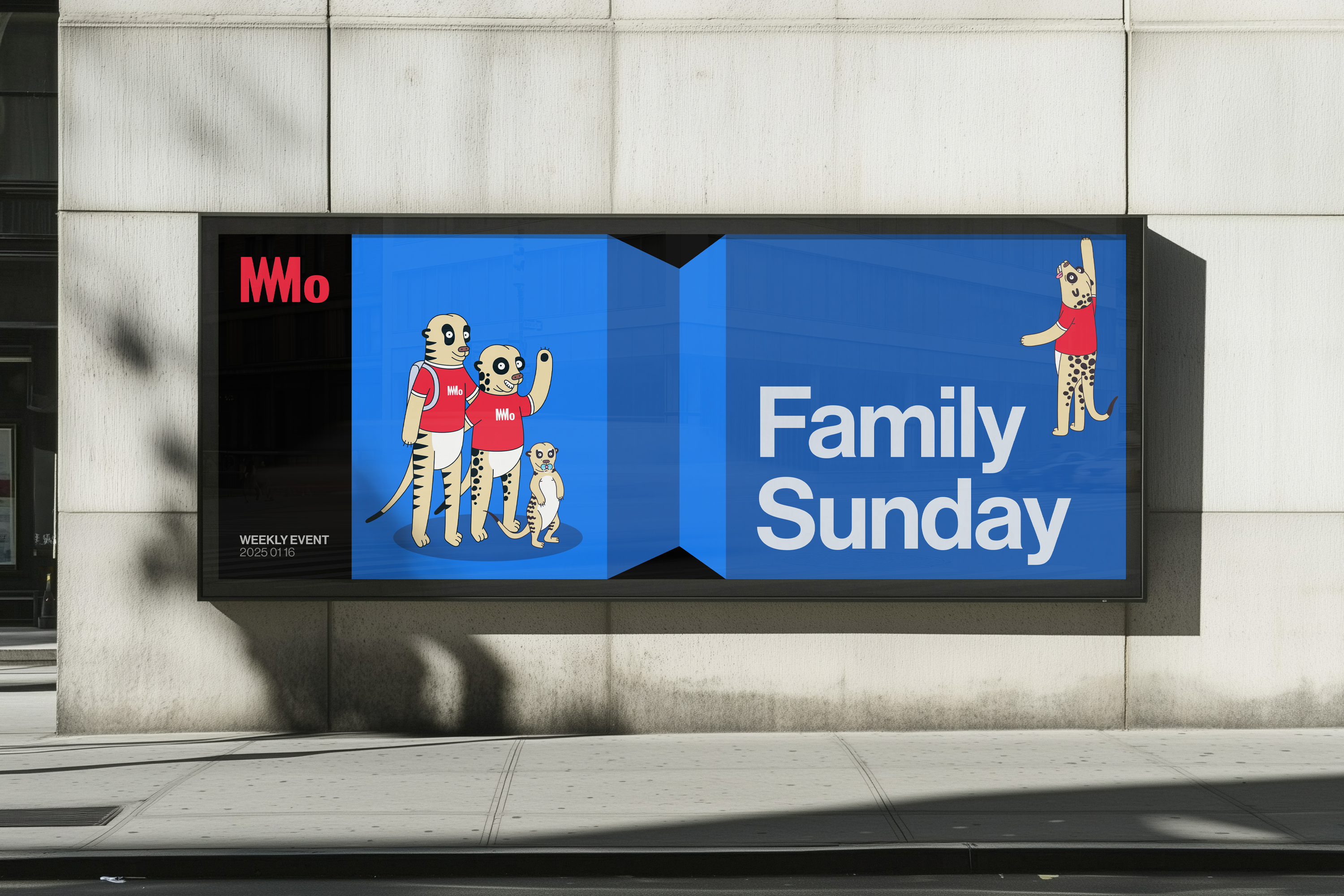
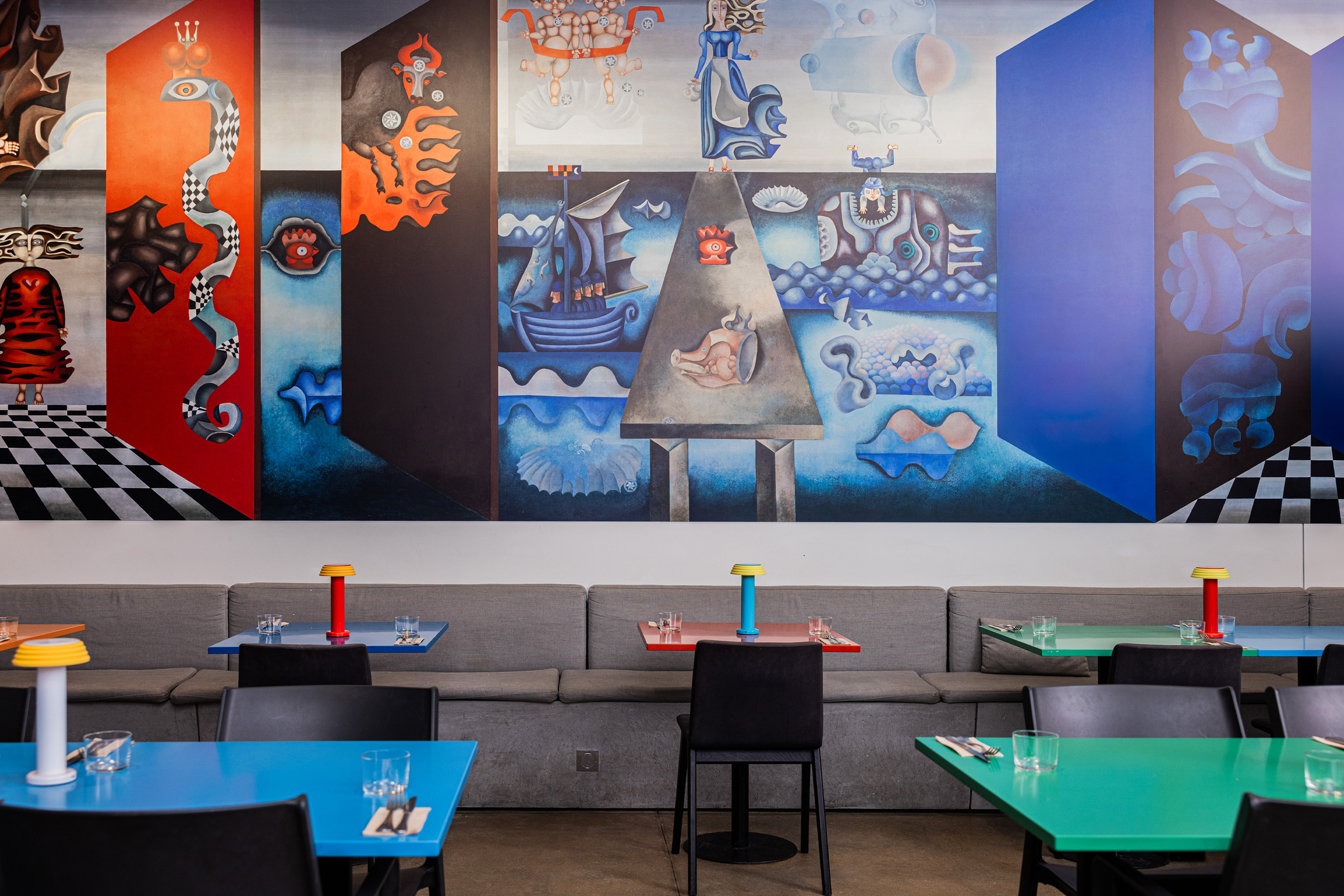
Shifts. Mo Museum exists to shift perspectives – through art, dialogue, and the courage to challenge norms. We translated that mission into a visual idea rooted in movement: angled planes that “shift” across space. The planes echo the geometry of the Mo logo’s M and mirror the museum’s angular architecture, linking symbol, building, and meaning. This single idea becomes a versatile language: the planes can frame content, build patterns, and create depth – always recognizable, never repetitive. Crucially, the system gives artworks the lead role; the identity flexes around them rather than competing with them. The result is a brand that feels institutional when it needs to, expressive when it should, and constantly in motion – like the cultural shifts Mo aims to create.
Execution.
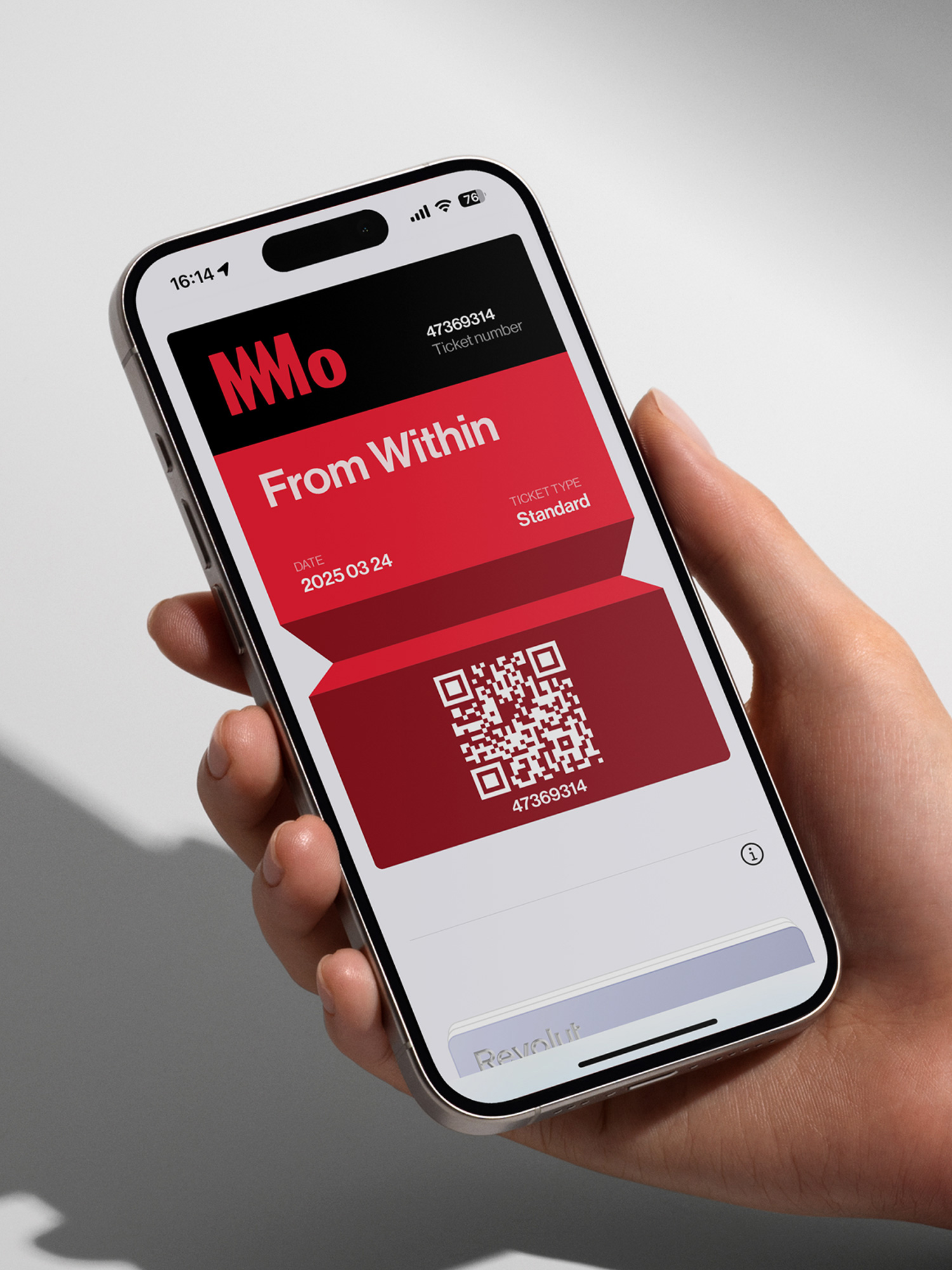
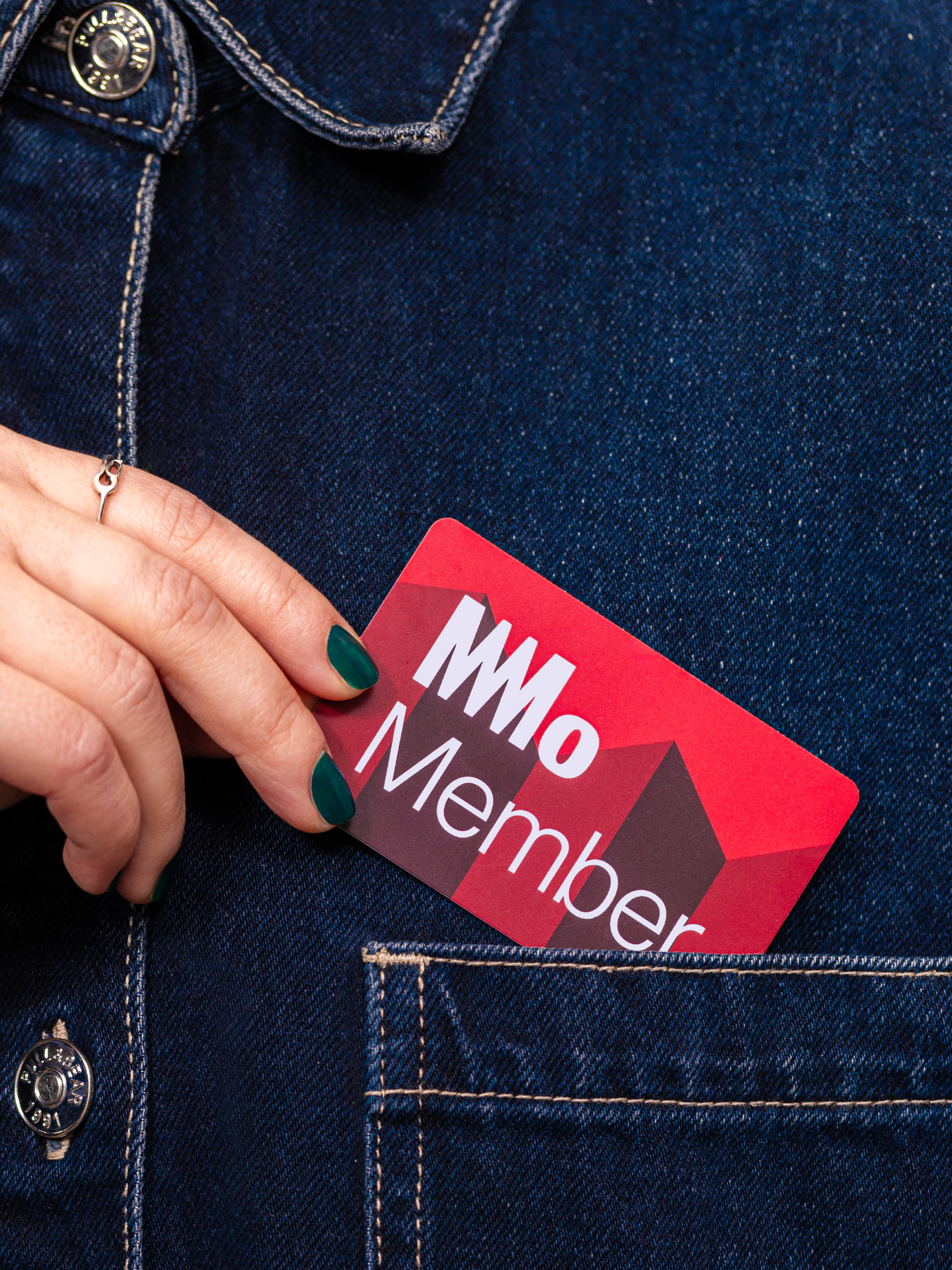
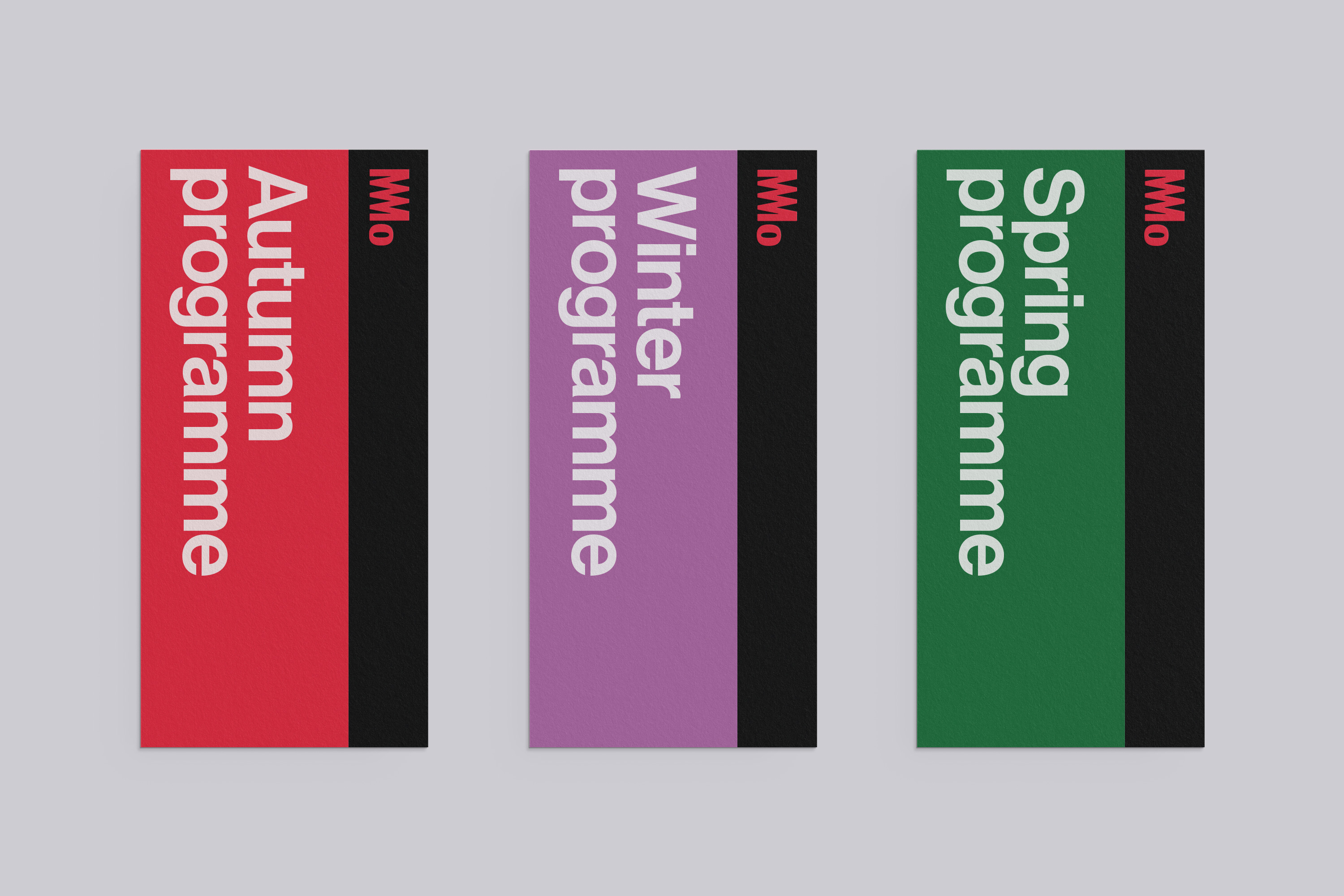
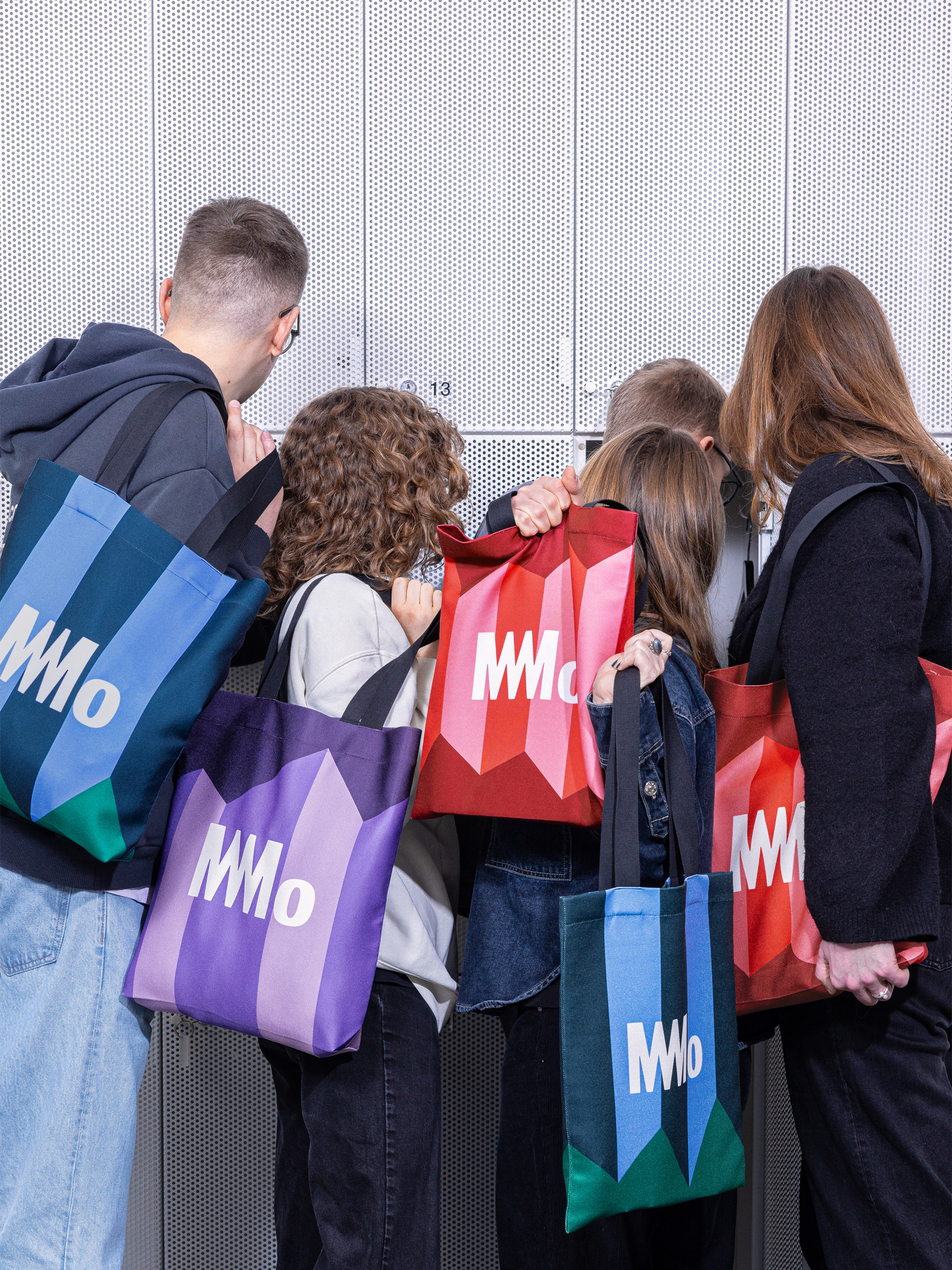
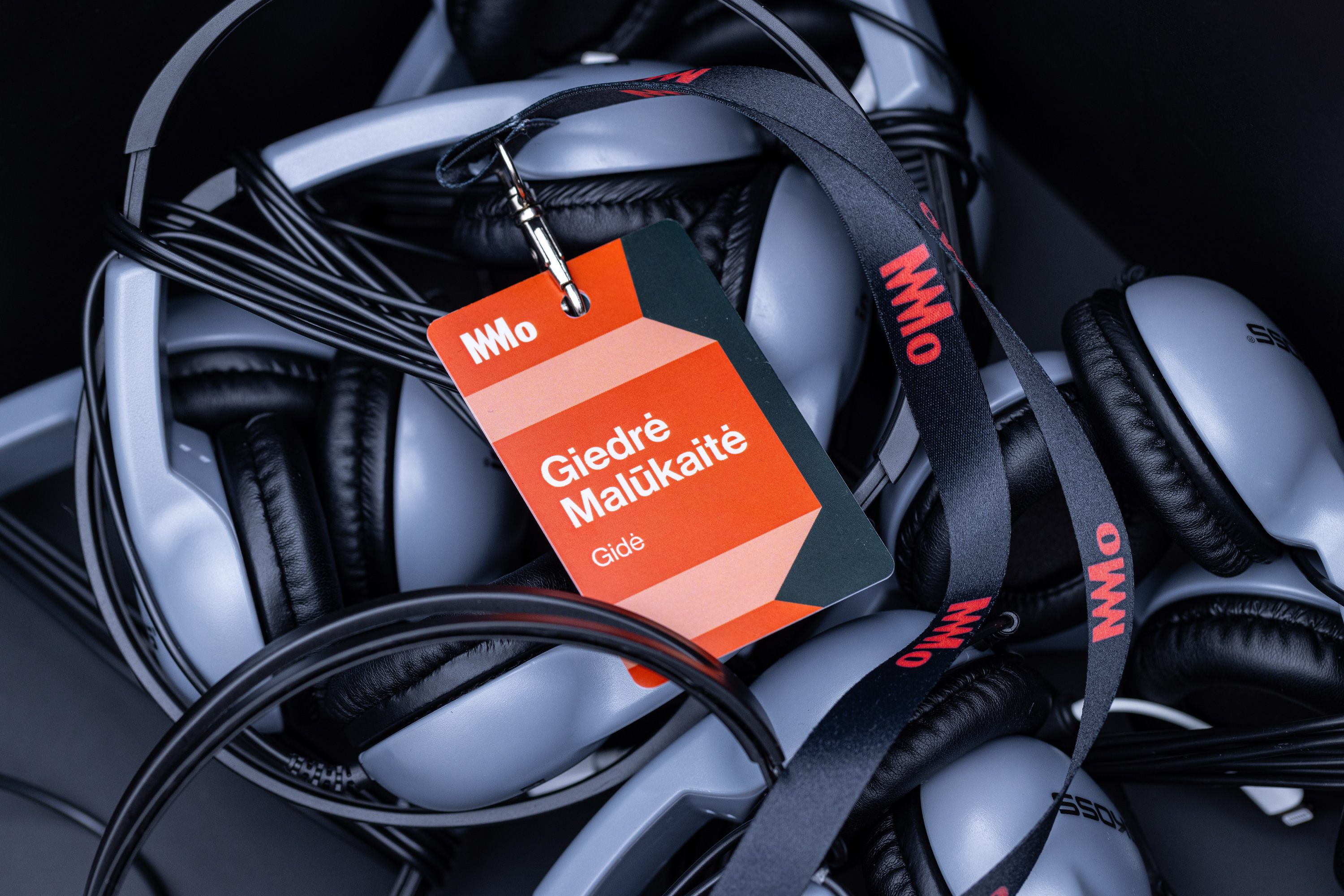
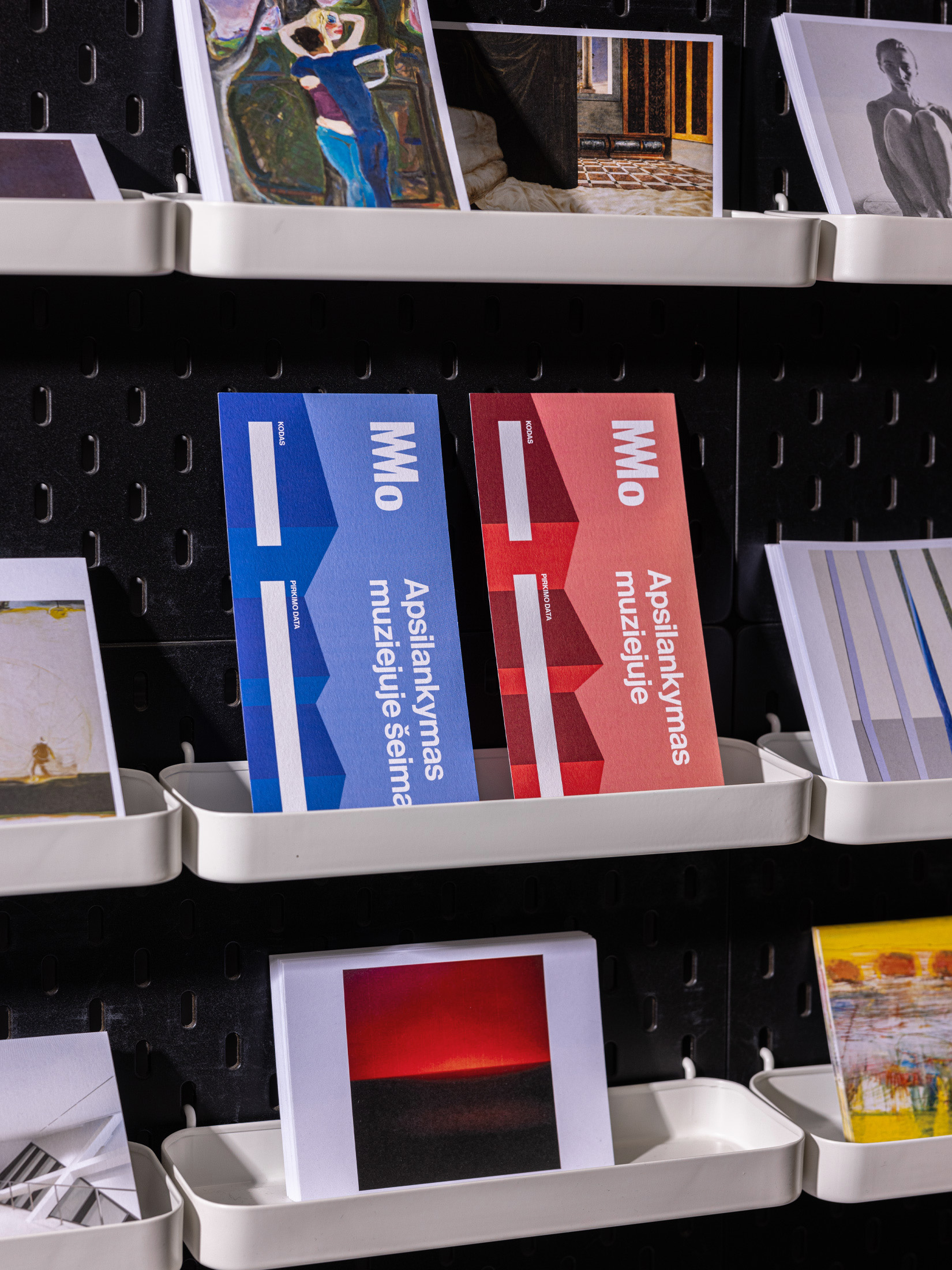
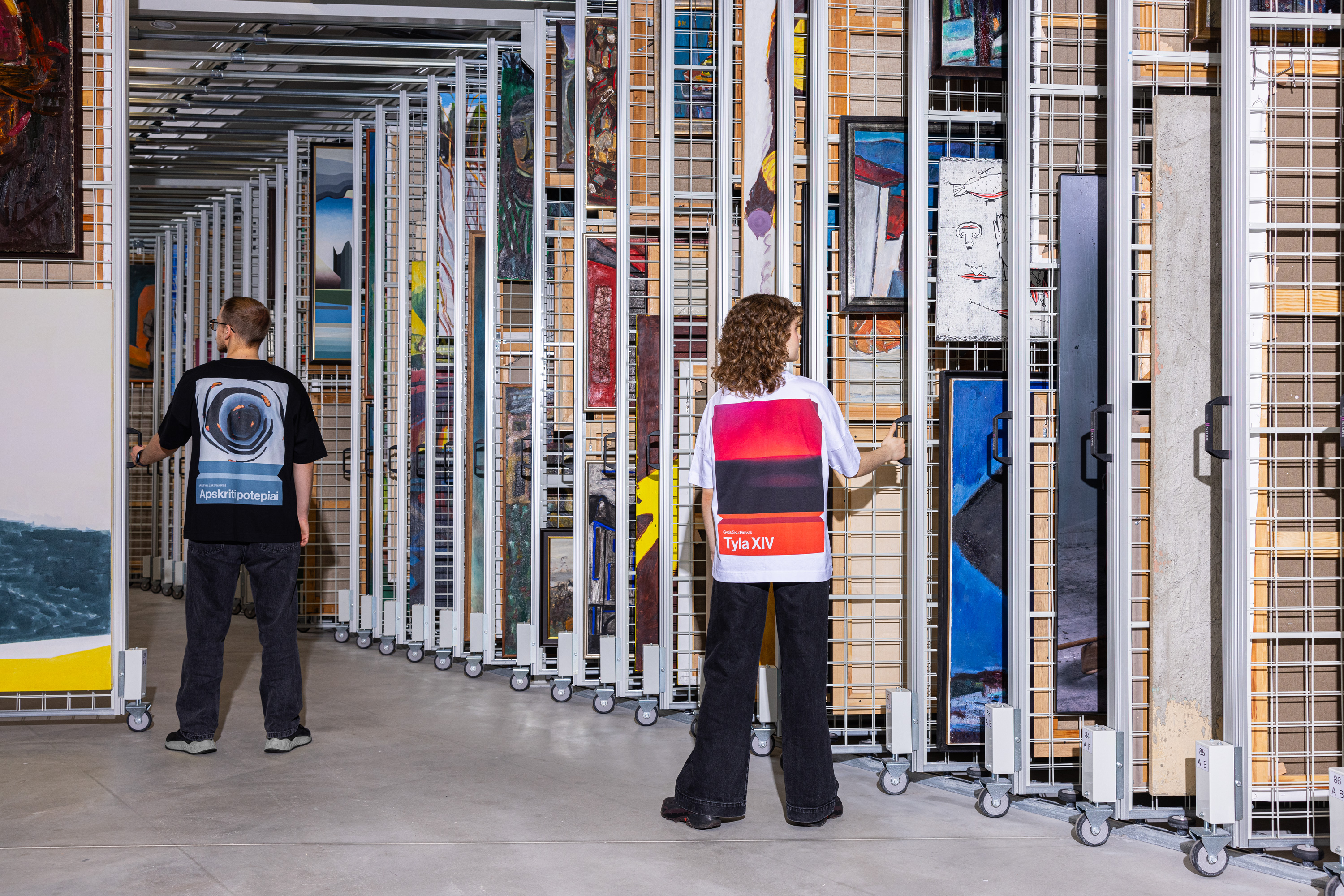
We developed an identity system built around the angled plane, working as a modular toolkit across print, digital, spatial, and motion: posters, signage, tickets, social assets, editorial layouts, merchandise, and more. To make consistency practical, we created a generative design tool for the in-house team. With simple inputs, anyone can generate plane-based patterns, layouts, and motion-ready assets that stay within the system’s rules. In motion, the planes behave like a living material: they tilt, slide, fold, and reveal content, turning the identity into an active stage for the museum’s programming. The outcome is a scalable system balancing institutional clarity with creative freedom – designed for daily use by many without losing its edge.
Credits